
Navigating the landscape of scrap metal Oakdale requires a deep understanding of market dynamics, material classification, and local industry standards. Whether you are a construction contractor, a manufacturing plant manager, or a household resident looking to clear out unwanted metal, understanding how to maximize the value of your materials is essential. As the Australian economy moves toward a circular model, the role of local recycling hubs has become more critical than ever.
The Fundamentals of Scrap Metal Classification
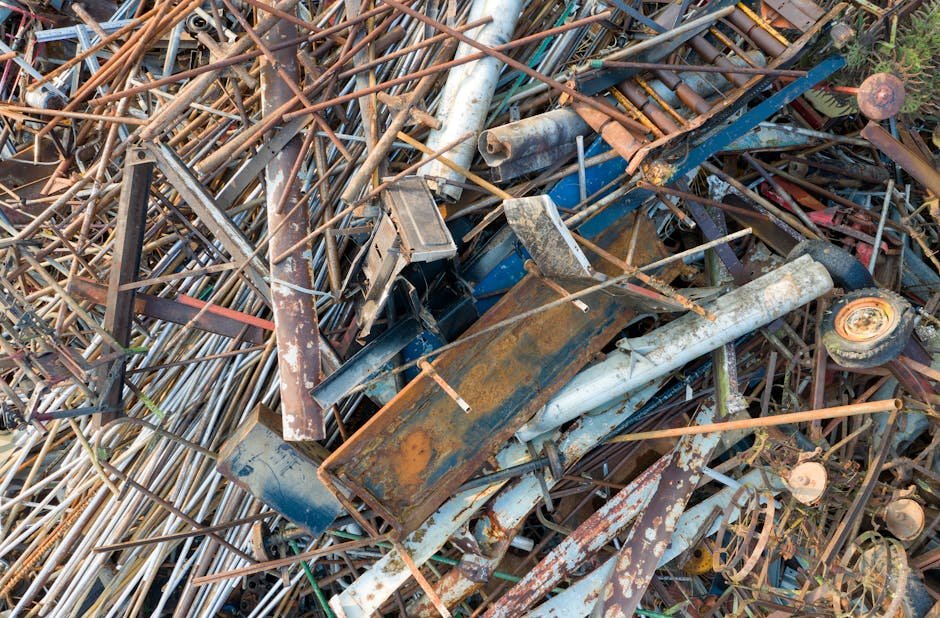
In the world of metal trading, not all scrap is created equal. The industry generally divides materials into two primary categories: ferrous and non-ferrous. Understanding these distinctions is the first step when you look to Sell Scrap Metal Near Me In 2026. Ferrous metals, such as iron and steel, are magnetic and are the most commonly recycled materials due to their high volume in construction and automotive industries. They are graded based on thickness, contamination levels, and size.
Non-ferrous metals, which include copper, aluminium, brass, lead, and stainless steel, are significantly more valuable due to their scarcity and the energy-intensive nature of their primary extraction. For those operating in scrap metal Oakdale, identifying high-grade copper piping, bright shiny copper wire, or clean aluminium extrusions can lead to significantly higher returns. Contamination is the enemy of value. For instance, a load of aluminium that contains plastic or steel attachments will be downgraded to a lower price tier. Always ensure your scrap is clean and separated to command the best rates.
How the Recycling Process Works
The journey from a discarded piece of metal to a new product is a sophisticated industrial process. When you engage with a professional facility for Scrap Metal Recycling Near Me, the material undergoes a rigorous transformation. First, the metal is weighed and inspected. At modern facilities, this involves high-precision digital scales and radiation detection to ensure safety and compliance.
Once processed, the metal is sorted using advanced technology. Magnets are used to pull out ferrous materials, while eddy current separators and X-ray fluorescence (XRF) analyzers are used to identify and separate different alloys of non-ferrous metals. Once sorted, the metal is shredded or sheared into smaller pieces to increase its density, making it easier to transport and melt. These fragments are then melted in furnaces to create ingots, which serve as the raw material for manufacturers. This process saves up to 95% of the energy required to produce metal from virgin ores, highlighting why recycling is a pillar of modern sustainability.
The Environmental and Economic Impact
The environmental case for recycling is indisputable. Mining for virgin metal is a destructive process that requires immense amounts of water, energy, and land clearing. By prioritizing scrap metal Oakdale recycling, we reduce the need for open-cut mining and lower greenhouse gas emissions significantly. Furthermore, recycling keeps hazardous materials out of landfills, where they could otherwise leach into the groundwater.
From an economic perspective, the scrap metal industry is a vital component of the Australian economy. It provides jobs, supports infrastructure projects, and keeps manufacturing costs down by providing a steady supply of recycled raw materials. If you are interested in tracking the current value of your materials, you can monitor the latest Scrap Metal Prices to ensure you are receiving a fair market rate. Whether you are in a regional hub like scrap metal warragul or a specialized facility like scrap metal cockburn, the principles of market-driven pricing remain consistent.
Maximizing Your Returns: Practical Tips for Sellers
To get the most out of your scrap, preparation is key. Start by segregating your metals into distinct bins. Mixing copper with steel is a common mistake that drastically reduces the value of the entire load. If you have cables, stripping the insulation off copper wire can significantly increase its value, provided the time spent stripping is worth the extra profit. Always keep your scrap dry and protected from the elements; rust and oxidation can lead to downgrading.
For large-scale industrial sellers, consider establishing a long-term relationship with a reputable buyer. This ensures consistent pricing and reliable logistics. You can learn more about professional standards by visiting the national scrap trade portal. Additionally, safety is paramount. Always wear protective gear, including gloves and steel-toed boots, when handling scrap metal. Avoid handling sharp edges without proper protection and be aware of the weight of the materials you are transporting.
The Future of Metal Trading in Australia
The industry is currently undergoing a digital transformation. With the rise of online platforms like Scrap Trade, sellers now have unprecedented access to market data and buyer connections. This transparency is forcing the industry to become more efficient and competitive. In the coming years, we expect to see more automated sorting technologies and a greater focus on traceability, ensuring that recycled metals are tracked from the collection point to the final manufacturer.
As urban development continues in areas like Oakdale, the demand for metal recycling services will only increase. Sustainability mandates and carbon reduction targets are driving manufacturers to use higher percentages of recycled content in their products. This shift ensures that the scrap metal industry will remain a cornerstone of the Australian economy for decades to come. By participating in this system, you are not just making money; you are contributing to a more sustainable and resource-efficient future.
Understanding Metal Grades and Quality Control
Quality control is the backbone of the scrap industry. When a facility receives a load, they are looking for purity. For example, in copper, there is a distinct difference between “Number 1 Copper” (clean, unalloyed, uncoated wire) and “Number 2 Copper” (containing some solder or minor impurities). Understanding these grades allows you to negotiate with confidence. Never assume that all scrap is bought at the same price; always ask for a breakdown of the grades present in your load.
Aluminium is another material where grading is complex. You have cast aluminium, extrusion, and sheet aluminium. Each has a different melting point and chemical composition, which dictates its end-use. By learning to identify these, you can organize your scrap more effectively before you head to the yard. This level of professionalism not only speeds up the transaction but also establishes you as a reliable supplier, which can lead to better long-term pricing agreements.
Safety and Compliance in Scrap Handling
Handling scrap metal is inherently risky. Sharp edges, heavy loads, and the presence of hazardous materials in older scrap (such as lead or asbestos in old machinery) require strict adherence to safety protocols. When dealing with large quantities of scrap, ensure you have the appropriate lifting equipment and transport vehicles. Never attempt to move loads that exceed the capacity of your vehicle.
Compliance is equally important. Many jurisdictions have strict regulations regarding the disposal of hazardous materials. Ensure that you are working with licensed facilities that adhere to environmental protection agency guidelines. This protects you from legal liability and ensures that the scrap is processed in an environmentally responsible manner. Always keep records of your transactions, as these are essential for tax purposes and for proving the origin of your materials if required.
The Role of Logistics in Scrap Trading
Logistics often accounts for a significant portion of the cost in scrap trading. If you are generating large volumes of scrap, the cost of transport can eat into your profits. Many professional recyclers offer bin services or pick-up arrangements, which can streamline your operations. Evaluate your volume and frequency of scrap generation to determine if a dedicated collection service is more cost-effective than transporting the material yourself.
Furthermore, consider the timing of your sales. Metal prices are volatile and fluctuate based on global supply and demand, currency exchange rates, and geopolitical events. While you cannot predict the market perfectly, keeping an eye on broader trends can help you decide when to hold onto your scrap and when to liquidate. By combining efficient logistics with market awareness, you can turn your scrap metal operations into a significant revenue stream for your business or household.
Frequently Asked Questions
What is the most valuable scrap metal to collect?
Copper is generally the most valuable common scrap metal due to its high demand in electrical and plumbing industries. Other high-value metals include brass, stainless steel, and clean aluminium.
How do I know if my metal is ferrous or non-ferrous?
The easiest way to tell is by using a magnet. If the magnet sticks to the metal, it is ferrous (iron-based); if it does not, it is non-ferrous, which is typically more valuable.
Do I need to clean my scrap metal before bringing it to a yard?
Yes, cleaning your scrap by removing non-metal attachments like plastic, rubber, or wood will significantly increase the price you receive. Clean, sorted metal is much easier for recyclers to process.
How often do scrap metal prices change?
Scrap metal prices fluctuate daily based on global market conditions, including London Metal Exchange (LME) rates and local supply and demand. It is best to check current prices on the day you plan to sell.