
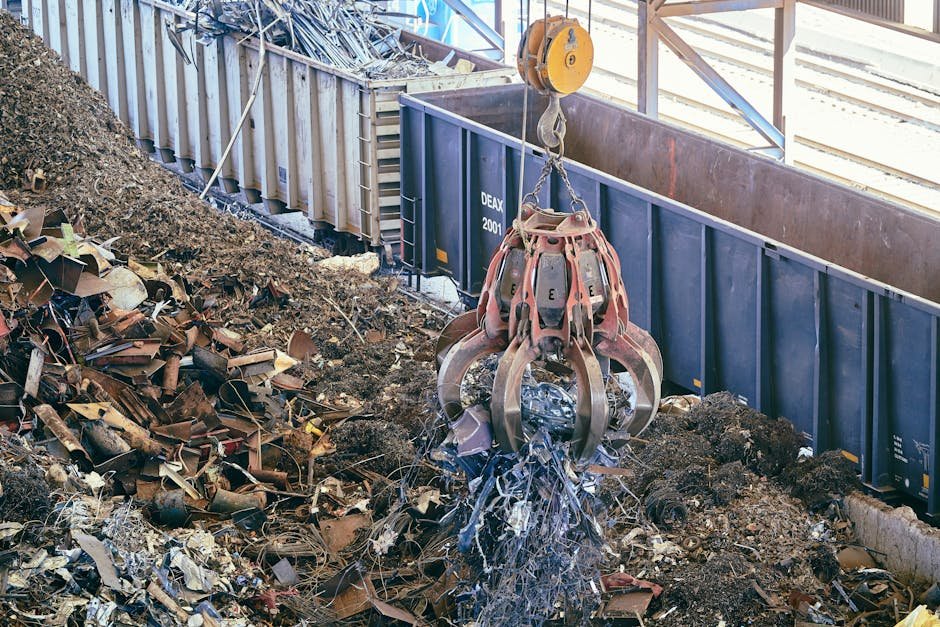

Understanding the nuances of scrap collection is essential for any industrial operator, construction firm, or individual looking to optimize their waste management strategy. In the Australian market, the efficiency of your scrap recovery directly correlates to your bottom line and your environmental footprint. Whether you are managing demolition waste or routine industrial offcuts, professional scrap collection ensures that valuable materials like copper, aluminum, and steel are diverted from landfills and returned to the manufacturing supply chain. By leveraging professional services, you ensure that your materials are handled in compliance with environmental regulations while capturing the best possible market rates for your secondary resources.
The Hierarchy of Scrap Metal Grades
Identifying the grade of your scrap is the single most important factor in determining its value. Scrap metal is broadly categorized into ferrous and non-ferrous metals, each requiring distinct handling and processing techniques. Ferrous metals, which contain iron, are magnetic and generally lower in value per kilogram compared to non-ferrous alternatives. Common ferrous scrap includes carbon steel, stainless steel, and cast iron, often sourced from heavy machinery, structural beams, and automotive chassis. In contrast, non-ferrous metals—such as copper, brass, aluminum, lead, and zinc—do not contain iron and are prized for their high conductivity and corrosion resistance.
Within these broad categories, industry standards define specific grades that dictate processing requirements. For example, ‘Bright and Shiny’ copper wire is the gold standard for scrap copper, commanding the highest prices because it requires minimal refinement. Conversely, ‘Burnt’ wire or copper contaminated with insulation or solder is downgraded, as it introduces impurities that complicate the smelting process. Understanding these grades allows you to segregate your materials effectively before calling for a Scrap Metal Collection. By keeping grades separate, you avoid ‘mixed’ pricing, which often defaults to the lowest common denominator value. Proper segregation is the hallmark of a professional approach to waste management and is critical when you decide to Sell Scrap to a reputable yard.
How the Recycling Process Works
The journey from scrap heap to high-grade industrial material is a sophisticated mechanical and chemical process. Once your materials are collected, they are transported to a processing facility, often managed by experts like Gmr Scrap. The first stage is inspection and sorting, where advanced technologies such as X-ray fluorescence (XRF) analyzers are used to determine the exact chemical composition of the metal. This ensures that alloys are not contaminated with incompatible metals, which could compromise the integrity of the final product.
Following sorting, the metal undergoes size reduction. Large industrial structures are sheared, shredded, or torched into manageable pieces. Shredding is particularly effective for large volumes of mixed scrap, as it breaks components down into small fragments, allowing for magnetic separators to pull out ferrous metals while eddy current separators eject non-ferrous pieces. Once separated, the metal is cleaned of non-metallic contaminants like plastic, rubber, or wood. The final step involves melting the scrap in high-temperature furnaces. The molten metal is then cast into ingots or billets, which are sold back to manufacturers to create new products. This closed-loop system is the foundation of the circular economy, and if you are looking for a Scrap Collection Near Me, you are participating in this vital industrial cycle.
Environmental and Economic Benefits
The environmental case for robust scrap collection is overwhelming. Extracting virgin ore requires massive amounts of energy, significant water usage, and often leads to habitat destruction and toxic runoff. Recycling aluminum, for instance, requires approximately 95% less energy than producing it from bauxite ore. By choosing to recycle, industries significantly reduce their Scope 3 emissions, helping meet increasingly stringent ESG (Environmental, Social, and Governance) targets. This shift is not just ethical; it is a financial imperative as carbon taxes and resource scarcity continue to drive up the cost of raw materials.
Beyond the environmental impact, the economic benefits are substantial. The recycling industry is a major employer and a critical pillar of Australian manufacturing. By ensuring that metals remain in the local economy, we reduce our reliance on volatile global supply chains. When you work with industry leaders found at Scraptrade.com.au, you are contributing to a more resilient domestic industrial base. Furthermore, the scrap market is highly transparent; by staying informed about global commodity trends, you can time your sales to coincide with peak demand periods, turning what was once a waste liability into a consistent revenue stream.
Best Practices for Material Preparation
To maximize the value of your scrap, preparation is key. The goal is to present the collector with material that is ‘clean’ and easy to process. If you have copper pipes, remove any brass fittings or plastic attachments. If you are dealing with steel, ensure it is free of hazardous materials like oil, grease, or chemicals. Many facilities will refuse loads that contain hazardous waste, so transparency about what is in your scrap load is essential. Using dedicated bins for different metal types will save you significant time and labor costs during the collection process.
Consider the volume of your scrap. For high-volume generators, such as construction sites or manufacturing plants, it is often more cost-effective to rent dedicated scrap bins. These bins can be placed on-site and swapped out as they fill up, keeping your workspace clean and minimizing the risk of accidents. Safety is paramount; always ensure that heavy metal items are stored securely and that your site access allows for the safe maneuverability of collection trucks. By treating scrap as a valuable raw material rather than ‘junk,’ you shift the dynamic of your waste management from a cost center to a profit center.
Navigating Market Volatility
The scrap metal market is sensitive to global economic indicators, including the price of oil, the health of the construction sector in China, and local currency fluctuations. As an Australian seller, it is important to understand that your local scrap price is a derivative of these global factors. When the LME (London Metal Exchange) prices for copper or aluminum rise, you can expect a corresponding increase in local scrap rates. Conversely, a slowdown in manufacturing can lead to an oversupply of scrap, driving prices down.
To navigate this, maintain a relationship with a trusted scrap merchant who provides regular market updates. Being proactive rather than reactive allows you to stockpile certain grades when prices are low and sell when the market recovers. This strategic approach to scrap management separates casual sellers from those who treat metal recovery as a serious business unit. Remember that reliable service and consistent volume often grant you better leverage with scrap merchants, potentially securing you preferred pricing tiers that are not available to one-off sellers.
The Future of Metal Recovery
The future of the industry lies in advanced sorting technology and increased automation. We are seeing the rise of AI-driven optical sorting, which can identify and sort metals at speeds and accuracies impossible for human operators. As these technologies become more accessible, the purity of recycled metal will increase, further narrowing the gap between recycled and virgin materials. This will likely lead to even higher demand for scrap, as manufacturers seek to meet sustainability goals by incorporating higher percentages of recycled content into their products.
Furthermore, the shift toward electric vehicles and renewable energy infrastructure is creating a massive demand for copper, lithium, and rare earth metals. The scrap collection industry is at the heart of this transition, as the recycling of EV batteries and solar panel components becomes a new frontier. By engaging with modern, forward-thinking scrap collectors today, you are positioning yourself at the forefront of this industrial evolution. The transition to a circular economy is not a trend; it is the new standard of global trade, and your participation in responsible scrap management is the catalyst for this change. Whether you are a small business owner or a large-scale industrial operator, the principles of efficient collection, accurate grading, and strategic selling remain the same. Start by auditing your waste streams, identifying the valuable metals you are currently discarding, and contacting a professional service to begin your recycling journey today.
Frequently Asked Questions
What is the difference between ferrous and non-ferrous scrap?
Ferrous metals contain iron and are magnetic, such as steel and iron. Non-ferrous metals do not contain iron, such as copper, aluminum, and brass, and are generally more valuable due to their specific properties.
How can I get the best price for my scrap metal?
The best way to maximize returns is to segregate your metals by grade and ensure they are clean of contaminants like plastic, rubber, or wood. Building a relationship with a reputable buyer and monitoring global metal market trends also helps you time your sales for maximum profit.
Why is it important to use professional scrap collection services?
Professional services ensure that your waste is handled in compliance with environmental regulations and safety standards. They also use advanced sorting technology to ensure you are paid accurately for the specific grade of metal you are providing.
What items are commonly accepted in scrap collection?
Commonly accepted items include copper piping, electrical wiring, aluminum extrusions, steel beams, automotive parts, and various industrial machinery offcuts. Always check with your local collector regarding specific hazardous material policies before scheduling a pickup.