
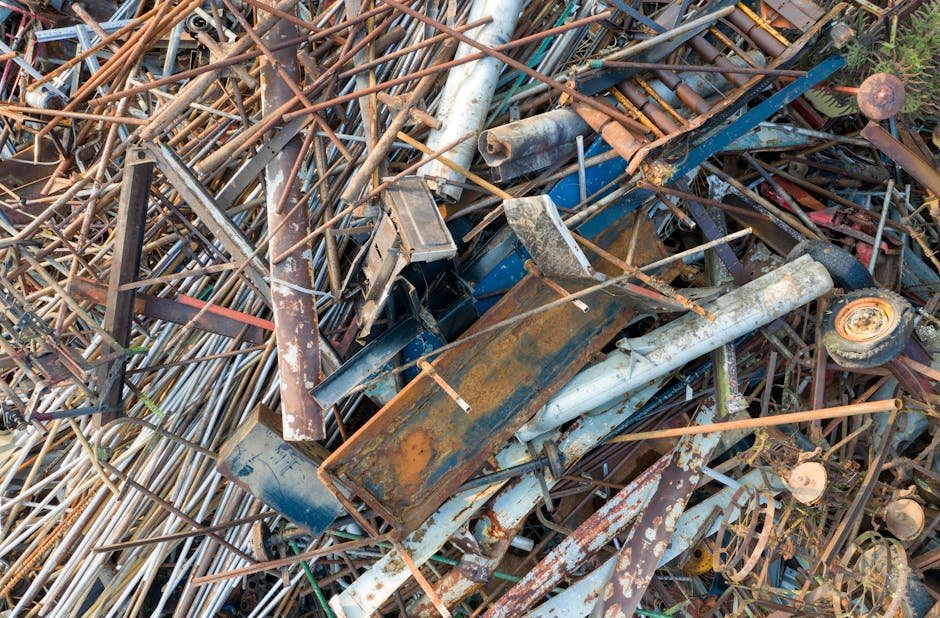

Understanding the intricacies of scrap metal cost is essential for both commercial contractors and individual recyclers looking to maximize their returns. In the Australian market, the value of your scrap is not static; it is a dynamic reflection of global supply chains, manufacturing demand, and the intrinsic purity of the materials you provide. Whether you are clearing out a warehouse or managing industrial waste, knowing how to categorize your metals can significantly influence your bottom line. As you navigate the industry, you might find yourself looking for a reliable Sell Scrap Metal Near Me In 2026 service to ensure you are getting fair market value for your materials.
The Determinants of Scrap Metal Cost
The scrap metal cost is primarily dictated by the London Metal Exchange (LME), which sets the global benchmark for base metals like copper, aluminum, and nickel. However, the price you receive at the yard is the ‘buy price,’ which factors in the costs of collection, sorting, processing, and transportation. When you check Scrap Metal Prices, you are seeing a snapshot of these complex variables.
Several factors influence the final payout:
- Purity and Grade: Contaminated metal—such as copper wire with plastic insulation—requires more labor to process, lowering its value compared to clean, bare bright copper.
- Market Demand: When emerging economies increase infrastructure spending, the demand for steel and copper spikes, driving up prices.
- Logistics and Volume: Transporting heavy, low-value metals like steel over long distances can erode profit margins. Conversely, high-value non-ferrous metals are easier to transport and command higher premiums.
- Local Processing Capacity: Facilities like those providing scrap metal dural services have specific equipment to handle large-scale industrial scrap, which can influence the local market rate.
For those located in urban hubs, finding a facility like scrap metal chatswood allows for streamlined logistics, reducing the overheads that would otherwise lower your net return. By understanding these market forces, you position yourself to trade at the optimal time.
Categorizing Scrap: Ferrous vs. Non-Ferrous
To master the trade, one must distinguish between the two primary categories of metal: ferrous and non-ferrous. Ferrous metals contain iron and are magnetic. They are generally more abundant and have a lower price point per kilogram. Common examples include mild steel, carbon steel, stainless steel, and cast iron. Because they are used in everything from construction beams to automotive frames, they are the backbone of the recycling industry.
Non-ferrous metals, on the other hand, do not contain iron, are non-magnetic, and are significantly more valuable. This category includes copper, brass, aluminum, lead, zinc, and precious metals. Because these metals do not degrade during the recycling process, they can be recycled indefinitely, making them highly sought after by manufacturers. When you look for Scrap Metal Recycling Near Me, you are essentially participating in a circular economy that preserves these finite resources.
Deep Dive into Metal Grades
Within these categories, grading is everything. For instance, in the copper market, ‘Bare Bright’ is the gold standard—clean, unalloyed, and uncoated copper wire. ‘Number 2’ copper, which may contain slight oxidation or minor impurities, fetches a lower price. Similar grading systems apply to aluminum (e.g., extrusion vs. cast) and stainless steel (e.g., 304 vs. 316 grade). Understanding these nuances is the difference between an average payout and a premium return.
The Lifecycle of Metal Recycling
The recycling process is a sophisticated industrial operation designed to return scrap metal to its raw state for manufacturing. It begins with collection and sorting. Advanced facilities use magnets, eddy current separators, and X-ray fluorescence (XRF) analyzers to identify and separate metals with extreme precision. Once sorted, the metal is processed—often shredded into smaller pieces to increase its surface area—and then melted in high-temperature furnaces. The molten metal is then cast into ingots or billets, which are sold back to manufacturers to create new products. This entire lifecycle reduces the need for virgin mining, which is energy-intensive and environmentally destructive. You can learn more about these processes through the official scrap trading platform, which provides comprehensive resources for industry participants. By utilizing professional services like Australia’s leading scrap metal network, you ensure that your materials are handled in compliance with environmental standards.
Environmental Benefits of Recycling
The environmental case for scrap metal recycling is overwhelming. Extracting virgin metal—such as mining bauxite for aluminum or copper ore—requires massive amounts of energy and causes significant land degradation. Recycling aluminum, for example, uses 95% less energy than producing it from raw bauxite. By recycling, we significantly reduce greenhouse gas emissions and the carbon footprint associated with industrial production.
Furthermore, recycling prevents metal from ending up in landfills, where it can leach harmful chemicals into the soil and groundwater. In Australia, the recycling industry plays a crucial role in meeting national waste reduction targets. Every tonne of steel recycled saves over 1,000 kilograms of iron ore and 500 kilograms of coal. This is not just about waste management; it is about resource stewardship for future generations.
Logistics and Safety in Scrap Trading
Safety is the paramount concern in any scrap yard. Metal is heavy, sharp, and often coated in hazardous substances. When preparing your scrap for sale, ensure it is free from dangerous contaminants like asbestos, pressurized cylinders, or radioactive materials. Most reputable yards will refuse such items, and attempting to hide them can lead to significant legal and safety issues.
For large-scale industrial clients, logistics planning is key to managing scrap metal cost. Efficient collection schedules, the use of appropriate bins, and the strategic placement of skip bins can reduce the cost of transport. If you are managing a demolition site, coordinating with a local recycler early in the project ensures that your waste management plan is both cost-effective and environmentally sound.
The Future of Metal Recycling in Australia
As we move toward 2026 and beyond, the scrap metal industry is undergoing a digital transformation. Traceability, blockchain-based supply chain management, and automated sorting technologies are making the industry more transparent. The shift toward a circular economy is being driven by both government policy and corporate ESG (Environmental, Social, and Governance) mandates. As these trends accelerate, the value of scrap metal is likely to remain a critical component of the Australian economy.
Investors and businesses are increasingly looking at scrap recycling as a hedge against the volatility of raw material prices. By securing a reliable supply chain for recycled metals, manufacturers can stabilize their production costs. This trend is expected to increase demand for high-quality, pre-sorted scrap, further rewarding those who take the time to manage their metal waste streams correctly.
Maximizing Your Returns: Practical Tips
To get the most out of your scrap, follow these expert tips:
- Sort at the Source: Don’t mix your metals. A bin full of copper mixed with steel will be priced as steel. Keep your copper, aluminum, and steel in separate containers.
- Clean Your Metal: Remove non-metal attachments like plastic, rubber, or wood. The cleaner the load, the higher the grade and the higher the price.
- Monitor the Market: Keep an eye on global metal trends. If you have a large stockpile, wait for a market peak before selling.
- Build Relationships: Work with a consistent yard. Long-term partners often provide better service, faster payments, and more accurate grading.
- Prepare for Transport: If you are delivering yourself, ensure your load is secure and meets all road safety regulations.
By treating scrap metal as a valuable commodity rather than ‘trash,’ you shift your perspective from disposal to resource management. This shift is what separates successful businesses from those that view waste management as a pure expense.
Conclusion
The scrap metal industry is a vital cog in the Australian economy, turning waste into wealth while protecting our natural environment. Whether you are an individual with a small load or a business with industrial quantities, understanding the factors that influence scrap metal cost is the first step toward optimizing your recycling efforts. By focusing on proper sorting, safe handling, and working with reputable partners, you contribute to a more sustainable future while securing the best possible financial return. As the industry continues to evolve, staying informed and connected with professional recycling networks will ensure you remain at the forefront of this essential sector.
Frequently Asked Questions
What is the most valuable scrap metal to recycle?
Copper is generally the most valuable common scrap metal due to its high demand in electrical and plumbing industries. Other high-value metals include brass, nickel, and stainless steel.
How do I know if my metal is ferrous or non-ferrous?
The easiest way to tell is by using a magnet. If the magnet sticks to the metal, it is ferrous (iron-based); if it does not stick, it is non-ferrous (such as aluminum, copper, or lead).
Why do scrap metal prices change so often?
Scrap metal prices fluctuate based on global supply and demand, currency exchange rates, and the London Metal Exchange (LME) commodity prices. Local factors like transportation costs and processing demand also play a role.
Can I recycle metal that has paint or plastic on it?
Yes, but it will likely be classified as a lower grade because the recycler must spend time and energy removing those contaminants. Removing paint or plastic coatings before taking your scrap to the yard will usually result in a higher payout.