
Navigating the landscape of wangaratta scrap metal requires a deep understanding of how global commodities markets intersect with local industrial needs. Whether you are a trade contractor, a demolition professional, or a local resident clearing out a shed, understanding the nuances of material grading and the recycling supply chain is essential for maximizing value and ensuring environmental compliance. As the regional hub for the Ovens and King valleys, Wangaratta plays a pivotal role in the circular economy of Victoria, connecting local supply with national processing infrastructure.
Understanding Metal Grades: Ferrous vs. Non-Ferrous
To succeed in the metal trading industry, one must first master the distinction between ferrous and non-ferrous metals. Ferrous metals, which contain iron, are the backbone of construction and manufacturing. Common examples include structural steel, cast iron, and light iron (such as household appliances). These are magnetic and generally trade at lower price points per kilogram due to their abundance, yet they are vital for the steelmaking industry. When you are looking to Sell Scrap Metal Near Me In 2026, separating your ferrous materials from non-ferrous ones is the first step toward achieving a higher payout.
Non-ferrous metals—including copper, aluminium, brass, lead, and stainless steel—do not contain iron and are highly resistant to corrosion. These metals are significantly more valuable due to their scarcity and the energy intensity required to refine them from raw ore. Copper, for instance, is a critical component in the electrical grid and renewable energy technologies. High-grade copper, often referred to as ‘bright and shiny’ or ‘millberry,’ commands a premium in the market. Aluminium, while lighter and more abundant, is infinitely recyclable without losing its properties, making it a cornerstone of the modern packaging and transport industries. Understanding these grades is the difference between a standard scrap sale and a highly profitable transaction.
The Mechanics of Scrap Metal Recycling
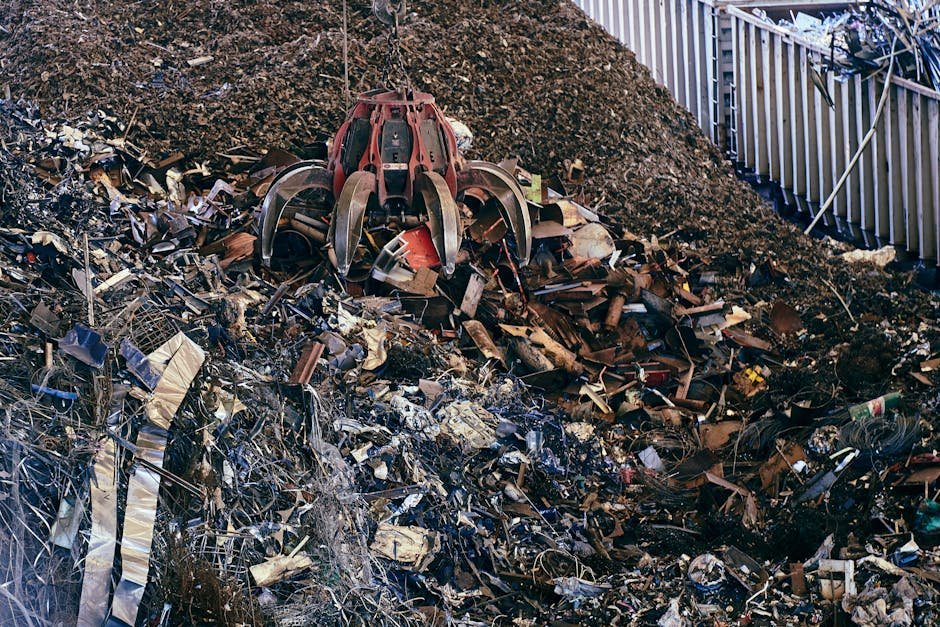
The process of recycling scrap metal is a sophisticated industrial operation that transforms discarded items back into raw material inputs. Once scrap reaches a facility, it undergoes a rigorous sorting process. Advanced facilities utilize magnets, eddy current separators, and X-ray fluorescence (XRF) analyzers to identify the exact chemical composition of the metal. This precision is necessary because even small amounts of contamination, such as plastic or rubber attached to copper wiring, can downgrade the value of the entire load.
For those interested in Scrap Metal Recycling Near Me, the journey of your scrap begins with collection and ends with smelting. After sorting, the metal is shredded or sheared into smaller pieces to increase its density, making it easier to transport and process in furnaces. The metal is then melted down in large-scale furnaces, purified, and cast into ingots or billets. These products are then sold to manufacturers to create new goods, completing the circular loop. By participating in this process, you are directly contributing to a reduction in the demand for mining, which is one of the most resource-intensive activities on the planet.
The Economic Impact and Market Trends
The price of scrap metal is inherently volatile, influenced by global supply chains, energy costs, and industrial demand from major economies like China and India. Keeping an eye on current Scrap Metal Prices is essential for anyone looking to liquidate large quantities of material. Factors such as the London Metal Exchange (LME) daily fluctuations and local freight costs in regional Victoria can significantly impact the net return on your scrap.
In regional hubs like Wangaratta, the logistics of transport often play a major role in pricing. Because the metal must be moved to major processing centres, the cost of haulage is often factored into the purchase price. However, as the industry evolves, more efficient collection methods and regional processing hubs are helping to stabilize these costs. Whether you are dealing with industrial quantities or smaller household loads, transparency in pricing is key. Our platform, Scraptrade.com.au, provides the tools and data necessary to navigate these market complexities with confidence.
Environmental Benefits of Metal Recycling
The environmental case for recycling is irrefutable. Mining for virgin ore is an energy-intensive process that results in significant habitat destruction, water pollution, and greenhouse gas emissions. For example, recycling aluminium uses approximately 95% less energy than producing it from bauxite ore. Similarly, recycling steel reduces water use by 40% and mining waste by 97%.
By choosing to recycle, you are actively participating in carbon sequestration efforts. Every tonne of recycled metal prevents the release of tonnes of carbon dioxide into the atmosphere. This is particularly important for the agricultural and manufacturing sectors in Wangaratta, where sustainable practices are increasingly tied to regulatory compliance and corporate social responsibility. When you utilize a professional scrap metal trading platform, you ensure that your materials are handled in accordance with strict environmental regulations, preventing hazardous materials from leaching into the local soil and water table.
Regional Comparison: Wangaratta and Beyond
While Wangaratta is a strategic location for metal recycling in North East Victoria, it is part of a broader national network. Understanding how regional markets compare can provide valuable context for scrap traders. For instance, the dynamics involved in pinjarra scrap metal operations in Western Australia differ due to the proximity to large-scale mining operations and different transport infrastructure. Similarly, the requirements for scrap metal nanango in Queensland reflect the specific industrial needs of that region.
By comparing these regional hubs, we can see that wangaratta scrap metal recycling benefits from its central location between Melbourne and Albury-Wodonga. This allows for efficient transport links to major ports and foundries. Traders who understand these regional differences are better positioned to negotiate fair prices and optimize their logistics. Whether you are in a remote mining town or a regional agricultural center, the core principles of sorting, cleaning, and timely selling remain the same.
Practical Tips for Maximizing Your Scrap Value
To get the most out of your scrap, preparation is everything. First, always separate your metals. A mixed load of copper, steel, and aluminium will almost always be valued at the lowest common denominator—the price of the cheapest metal in the pile. If you have a large amount of copper, strip the insulation off the wires if time permits, as ‘clean’ copper fetches a significantly higher price than ‘insulated’ copper.
Second, remove non-metallic contaminants. Bolts, plastic handles, and rubber gaskets add weight but are considered ‘trash’ by the buyer. Removing these items not only increases your payout but also shows that you are a professional trader who understands the value of high-quality scrap. Third, keep your scrap dry. Water-logged materials or rusted steel can be subject to ‘dockage,’ where the buyer deducts weight for moisture or excessive degradation. Finally, maintain a relationship with your local buyer. Consistency and honesty regarding the composition of your scrap will build trust, which can lead to better service and more reliable pricing information over the long term.
The Future of Scrap Metal in 2026 and Beyond
As we look toward 2026, the scrap metal industry is undergoing a digital transformation. The integration of blockchain for supply chain transparency, real-time pricing apps, and automated sorting technologies is making the market more efficient than ever. For those in Wangaratta, this means easier access to market data and a more streamlined process for selling materials.
Furthermore, the global push toward ‘Net Zero’ means that scrap metal will become an increasingly strategic resource. As manufacturers move toward using higher percentages of recycled content in their products, the demand for high-quality scrap will continue to climb. Those who establish themselves as reliable suppliers today will be well-positioned to benefit from the growing demand for sustainable, recycled raw materials. Whether you are a small-scale recycler or a large industrial firm, the future of the industry is bright, and the role of wangaratta scrap metal in this future is more critical than ever.
Conclusion
The recycling industry is a cornerstone of a sustainable economy, and your participation in it makes a tangible difference. By properly sorting your materials, staying informed about market prices, and utilizing professional platforms, you can turn what was once considered waste into a valuable resource. We have explored the grades of metal, the recycling process, and the environmental impact of these activities. Remember that every kilogram of metal kept out of a landfill is a victory for the environment and a contribution to a more efficient industrial sector. Use the resources provided here to stay ahead of the curve, and always prioritize safety and compliance in your trading activities.
Frequently Asked Questions
What is the most valuable metal I can recycle in Wangaratta?
Copper is generally the most valuable common scrap metal due to its high demand in electrical and renewable energy industries. Clean, uninsulated ‘bright’ copper wire typically fetches the highest price per kilogram.
How do I ensure I get the best price for my scrap metal?
To maximize your return, always sort your metals by type and remove any non-metallic contaminants like plastic, rubber, or wood. Establishing a consistent relationship with a reputable buyer and monitoring current market trends will also help you secure the best rates.
Why is it important to separate ferrous and non-ferrous metals?
Ferrous metals contain iron and are magnetic, while non-ferrous metals do not contain iron and are generally more valuable. If you mix them, buyers will often pay you the lower ferrous rate for the entire load, costing you significant profit.
Does scrap metal recycling actually help the environment?
Yes, recycling metal significantly reduces the need for mining virgin ore, which saves vast amounts of energy and reduces greenhouse gas emissions. For example, recycling aluminium consumes 95% less energy than producing it from raw bauxite.