
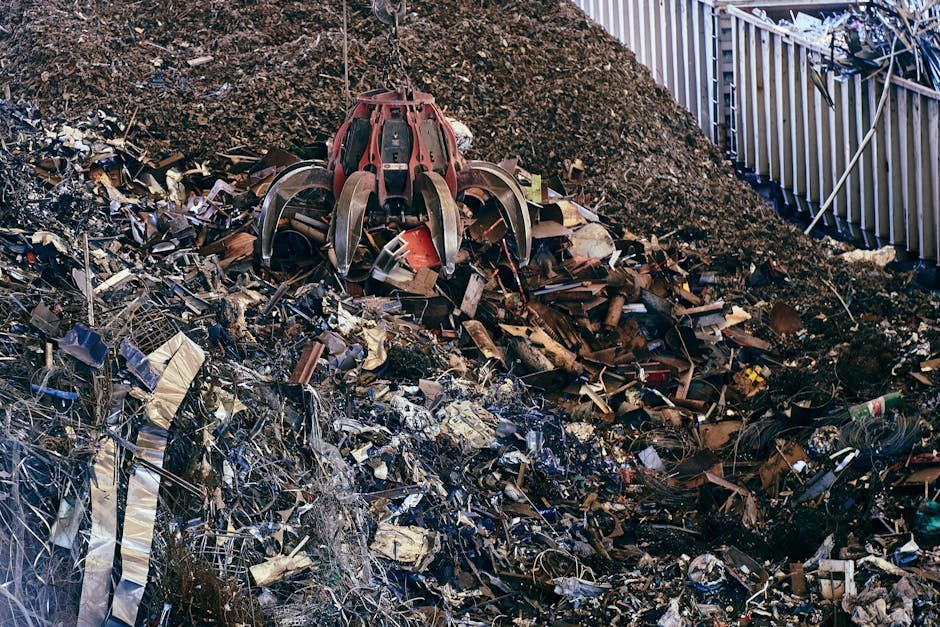

When searching for reliable scrap metal seven hill services, it is essential to understand that the industry is built on precision, market knowledge, and environmental stewardship. Whether you are a trade contractor, a demolition company, or a household looking to clear out unwanted metal, navigating the local market requires an understanding of how materials are graded and valued. By choosing a professional facility, you ensure that your materials are handled according to the highest industry standards, contributing to a circular economy that benefits both the economy and the planet.
Understanding Metal Grades: Ferrous vs. Non-Ferrous
The foundation of the scrap industry lies in the categorization of materials. To optimize your returns, you must distinguish between the two primary categories: ferrous and non-ferrous metals. Ferrous metals contain iron, making them magnetic and generally more abundant. Common examples include steel, iron, and stainless steel. In contrast, non-ferrous metals—such as copper, aluminium, brass, lead, and zinc—do not contain iron. These are typically more valuable due to their resistance to corrosion and their infinite recyclability without losing their inherent properties.
For those looking to Sell Scrap Metal Near Me In 2026, identifying these grades accurately is the first step toward a successful transaction. Non-ferrous metals like copper wiring, plumbing pipes, and aluminium extrusions are highly sought after. Understanding these grades allows you to segregate your scrap effectively, which can significantly improve your bottom line. If you are operating within the region, visiting a reputable scrap metal yard seven hills will provide you with the professional assessment needed to categorize your haul correctly.
The Scrap Metal Recycling Process Explained
The journey from a discarded item to a new product is a sophisticated industrial process. Once you drop off your materials at a scrap metal seven hills facility, the recycling process begins with inspection and weighing. Advanced technology, such as X-ray fluorescence (XRF) analyzers, is often used to determine the exact chemical composition of the metal, ensuring that it is sorted into the correct grade.
Following sorting, the metal is processed. This may involve shearing, shredding, or baling to reduce the volume of the material, making it easier to transport to smelting facilities. Shredding is particularly effective for complex items like end-of-life vehicles or white goods, as it allows magnets and eddy current separators to extract different metals from plastics and foams. Once sorted and cleaned, the material is melted in furnaces. This molten metal is then cast into ingots or billets, which serve as the raw material for manufacturers to create everything from new car parts to structural beams. For those interested in the broader industry, Scrap Metal Recycling Near Me resources provide further insight into how these local hubs connect to global supply chains.
Environmental Benefits of Metal Recycling
Recycling metal is one of the most effective ways to reduce our collective carbon footprint. Extracting virgin ore through mining is an energy-intensive process that causes significant habitat destruction and water pollution. By contrast, recycling metals like aluminium saves up to 95% of the energy required to produce the same amount of metal from raw ore. This reduction in energy consumption directly translates to lower greenhouse gas emissions.
Furthermore, recycling preserves finite natural resources. Metals like copper and steel are not renewable; once they are mined, they are gone. By keeping these materials in the economy, we reduce the pressure on mining operations and help maintain the ecological integrity of the regions where these resources are located. When you choose to trade with an industry leader via professional metal trading platforms, you are actively participating in a sustainable loop that keeps valuable materials out of landfills and reduces the need for destructive extraction techniques.
Maximizing Your Returns: Market Trends and Pricing
Price volatility is a reality in the scrap industry. Values are influenced by global supply and demand, the cost of energy, and the current state of manufacturing sectors worldwide. To stay informed, tracking Scrap Metal Prices is vital for anyone looking to optimize their sales. Factors such as the purity of the metal, the volume of the load, and current market conditions all play a role in the final offer you receive.
Practical tips for sellers include cleaning your metal before bringing it in. Removing non-metallic attachments like plastic, rubber, or wood from your scrap can move your material into a higher grade, which commands a better price. Furthermore, sorting your metals by type before arriving saves time for both you and the yard operator. Building a relationship with a trusted scrap metal trading platform can also provide you with consistent updates on market shifts, ensuring you sell at the right time.
Safety and Compliance in the Scrap Industry
Safety is paramount in any industrial setting. Scrap metal yards are busy environments with heavy machinery, moving vehicles, and sharp materials. When visiting a site, always adhere to signage, wear appropriate personal protective equipment (PPE) like steel-toed boots and high-visibility vests, and follow instructions from staff. Compliance with environmental and safety regulations is not just about avoiding fines; it is about protecting the community and the workers who keep the industry running.
Modern recycling facilities operate under strict environmental licenses to ensure that hazardous materials, such as lead-acid batteries or fluids from end-of-life vehicles, are managed safely. By choosing a compliant operator, you ensure that your scrap is not only recycled but also handled in a way that prevents soil and water contamination. This commitment to compliance is a hallmark of a professional business in the Seven Hills area.
The Future of Metal Recycling: Innovation and Technology
The industry is currently undergoing a digital transformation. From AI-driven sorting robots that can identify metal alloys in milliseconds to blockchain-based tracking systems that verify the origin of recycled materials, technology is making the process faster and more transparent. As we look toward the future, the integration of these technologies will further improve the efficiency of the scrap metal seven hill sector, making it easier for businesses and individuals to participate in the circular economy.
The demand for recycled content is also rising as manufacturers face pressure to meet sustainability targets. This shift in market demand is expected to drive further investment into recycling infrastructure, leading to better collection systems and more advanced processing capabilities. By staying engaged with these developments, you can better understand the value of the materials you handle and contribute to a more sustainable future.
Logistics and Collection Services
For large-scale generators of scrap metal, such as construction firms or manufacturing plants, logistics are a critical component of the recycling process. Many facilities offer bin services and scheduled pickups to streamline the collection of bulk scrap. This removes the hassle of transporting heavy loads and ensures that your site remains clean and safe. When evaluating a service provider, consider their fleet capacity, their responsiveness, and their ability to provide accurate weigh-bridge reports. Efficient logistics not only save time but also reduce the carbon emissions associated with transporting heavy materials, further enhancing the environmental benefits of your recycling efforts.
Conclusion: Taking Action Today
Recycling scrap metal is a powerful way to contribute to a sustainable future while potentially generating a significant return on your materials. By understanding the grades of metal, staying informed about market pricing, and choosing a reputable partner, you can ensure that your recycling efforts are both effective and profitable. Whether you are a local resident or a business owner, the resources available at your local yard provide the support you need to manage your waste responsibly. Start by sorting your materials, monitoring the market, and engaging with professional recycling services today to make a tangible impact.
Frequently Asked Questions
What is the difference between ferrous and non-ferrous scrap metal?
Ferrous metals contain iron and are magnetic, such as steel and iron. Non-ferrous metals do not contain iron and include materials like copper, aluminium, and brass, which are typically more valuable.
How can I get the best price for my scrap metal?
To get the best price, ensure your scrap is clean by removing non-metallic attachments like plastic or wood, and sort your metals by grade before arriving at the yard. Keeping track of current market prices also helps you decide the best time to sell.
Why is recycling scrap metal better for the environment?
Recycling metal significantly reduces the energy required compared to mining virgin ore, which saves resources and lowers carbon emissions. It also keeps hazardous materials out of landfills and preserves natural habitats.
Do I need to clean my scrap metal before recycling?
Yes, cleaning your scrap metal by removing contaminants like plastic, rubber, or wood increases its purity. Higher purity levels allow the material to be classified into higher grades, which usually results in a better payout.