
Get scrapped is more than a phrase—it’s a crucial process for sustainable resource management in Australia. Scrap metal recycling transforms waste into valuable materials, reduces environmental harm, and supports economic growth. This guide explores grades of scrap, the recycling lifecycle, and the ecological benefits of repurposing metals. Whether you’re a business owner, manufacturer, or individual seller, understanding these fundamentals ensures you get scrapped effectively and profitably.
Overview of Scrap Metal Recycling in Australia
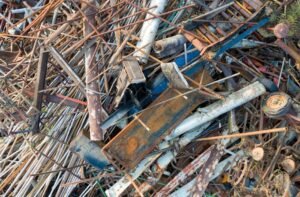
Scrap metal recycling is a cornerstone of Australia’s circular economy. With its vast mining industry and manufacturing sector, the country generates millions of tonnes of scrap annually. From end-of-life vehicles to industrial waste, these materials are processed into new products, reducing the need for raw ore extraction. Key players in the sector include government agencies, private recyclers, and trading platforms like scrap.trade, which streamline transactions between buyers and sellers.
Understanding Grades of Scrap Metal
Scrap metals are categorized by type, purity, and composition. The most common grades include:
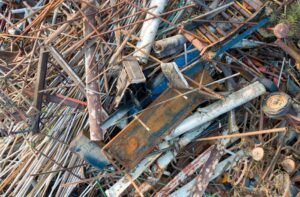
- Ferrous Scrap: Contains iron or steel, such as car frames and construction debris. Ferrous scrap is abundant but typically less valuable due to its magnetic properties.
- Non-Ferrous Scrap: Includes metals like copper, aluminum, and brass. These are non-magnetic and command higher prices because of their conductivity and durability.
- Aluminum Scrap: Divided into categories like clean sheet, bales, and turnings. Aluminum’s lightweight and corrosion resistance make it highly recyclable.
- Copper Scrap: Found in wiring, plumbing, and electronics. Sell copper for premium prices, especially when sorted by grade (e.g., OFHC, C11000).
- Titanium Scrap: Rare and high-value, often from aerospace or medical industries. Titanium scrap price depends on purity and application.
Proper classification ensures buyers receive accurate pricing and avoids contamination. For example, mixing copper with other metals can devalue the lot. Always get scrapped by a certified facility to ensure compliance with industry standards.
The Recycling Process: From Collection to Repurposing
Recycling scrap metal involves several stages:
- Collection: Scrap is gathered from households, businesses, and demolition sites. Bulk scrap is often hauled directly to processors.
- Sorting: Magnets, optical sensors, and manual checks separate metals by type. Post your scrap requirement to ensure precise grading.
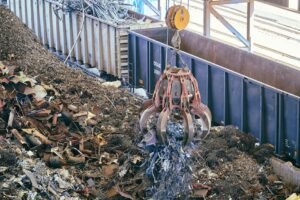
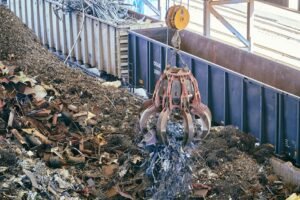
- Shredding/Processing: Ferrous scrap is shredded; non-ferrous materials are baled or melted. This reduces volume and prepares the metal for refining.
- Smelting: Metals are melted in furnaces to remove impurities. The molten material is then cast into ingots or sheets for reuse.
- Repurposing: Recycled metals feed into new products, from construction materials to consumer electronics.
This closed-loop system minimizes waste and energy use. For instance, recycling aluminum saves 95% of the energy required to produce new material from bauxite ore.
Environmental Benefits of Scrap Recycling
Recycling scrap metal offers significant ecological advantages:
- Resource Conservation: Reduces demand for mining, which depletes finite resources and disrupts ecosystems. For example, recycling 1 tonne of steel saves 1,100 kg of iron ore.
- Energy Efficiency: Producing recycled metals uses 70–90% less energy than virgin materials. This cuts greenhouse gas emissions and reliance on fossil fuels.
- Landfill Reduction: Metals make up 10% of landfill waste. Recycling diverts this material, preventing soil and water contamination from leaching toxins.
- Climate Impact: The Australian industry alone prevents over 30 million tonnes of CO2 emissions annually by reusing scrap instead of extracting new metals.
By get scrapped responsibly, individuals and businesses contribute to a greener future. Platforms like scraptrade.com.au promote transparency and efficiency in this process.
Practical Tips for Getting the Best Value from Scrap
Maximize your returns by following these strategies:
- Research Market Prices: Use scrap.trade to compare prices for your metal type. For instance, sell copper at peak market times.
- Sort and Clean Your Scrap: Remove contaminants like dirt, plastic, or other metals. Clean scrap fetches higher prices and reduces processing costs for buyers.
- Choose Reputable Buyers: Verify the credentials of scrap yards or online platforms. Avoid disreputable sellers who may underpay or misclassify your material.
- Use Online Platforms: Post your scrap requirements on Post Your Scrap Requirement to attract competitive bids.
- Track Trends: Prices fluctuate with global demand. For example, titanium scrap prices rise during aerospace industry booms. Use tools like Titanium Scrap Price to stay informed.
Proactive management ensures you get scrapped with confidence and profitability.
Challenges in Scrap Metal Recycling
While recycling is beneficial, challenges persist:
- Contamination: Mixed metals or non-metallic debris reduce scrap value. Proper sorting is critical.
- Transportation Costs: Moving scrap from remote areas can be expensive. Consolidate shipments to lower expenses.
- Regulatory Compliance: Australia enforces strict waste management laws. Ensure your scrap is processed through licensed facilities.
- Market Volatility: Global commodity prices affect local scrap values. Diversify your scrap portfolio to mitigate risks.
Platforms like scrap.trade address these issues by offering transparent pricing and logistics support.
The Future of Scrap Metal Recycling
Advancements in technology and policy are shaping the industry:
- AI and Automation: Optical sorters and AI-powered grading systems improve efficiency and accuracy.
- Green Policies: Australia’s National Waste Policy Action Plan aims to achieve 80% resource recovery by 2030, boosting investment in recycling infrastructure.
- Blockchain for Transparency: Platforms like scrap.trade use blockchain to track scrap from collection to repurposing, ensuring ethical sourcing and fair trade.
- Urban Mining: Recycling metals from electronic waste (e-waste) and buildings is becoming a priority as landfills become unsustainable.
By embracing innovation, the get scrapped movement will drive both economic and environmental progress.
Conclusion
Getting scrapped is a vital step toward a sustainable future. By understanding scrap metal grades, optimizing the recycling process, and leveraging online platforms like scrap.trade, Australians can turn waste into wealth. Whether you’re disposing of old appliances or managing industrial byproducts, prioritize responsible recycling to protect the planet and boost your bottom line. Use the Post Your Scrap Requirement tool to connect with the best buyers and Titanium Scrap Price guides to maximize returns. Together, we can ensure that get scrapped becomes a cornerstone of Australia’s resource management strategy.
Additional Resources
Explore these links for deeper insights:
FAQs
Q: What is the most valuable scrap metal in Australia?
A: Copper and titanium are among the highest-value metals due to their conductivity and rarity. Sell copper for premium prices.
Q: How does recycling scrap metal reduce environmental impact?
A: Recycling saves energy, reduces mining, and prevents landfill contamination. For example, producing recycled aluminum uses 95% less energy than virgin aluminum.
Q: What factors determine scrap metal prices?
A: Grades, purity, global demand, and transportation costs influence prices. Always get scrapped through verified platforms like scrap.trade to ensure fair valuation.
Q: How can I prepare scrap for maximum value?
A: Sort by type, remove contaminants, and research current market rates using tools like Titanium Scrap Price for niche metals.
Frequently Asked Questions
What is the most valuable scrap metal in Australia?
Copper and titanium are among the highest-value scrap metals due to their conductivity and rarity. Sell copper for premium prices.
How does recycling scrap metal reduce environmental impact?
Recycling saves energy, reduces mining, and prevents landfill contamination. For example, producing recycled aluminum uses 95% less energy than virgin aluminum.
What factors determine scrap metal prices?
Grades, purity, global demand, and transportation costs influence prices. Always get scrapped through verified platforms like scrap.trade to ensure fair valuation.
How can I prepare scrap for maximum value?
Sort by type, remove contaminants, and research current market rates using tools like Titanium Scrap Price for niche metals.