
If you’re looking to get scrapt efficiently and responsibly, mastering scrap metal fundamentals is essential. Australia generates over 50 million tonnes of waste annually, with metals comprising a significant recoverable portion. This comprehensive guide explores scrap grading systems, advanced recycling technologies, and environmental advantages – critical knowledge for businesses, tradespeople, and environmentally conscious citizens navigating Australia’s AU$2.1 billion scrap metal industry.
Understanding Scrap Metal Grades
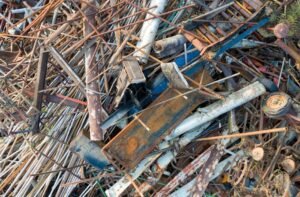
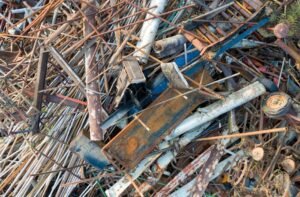
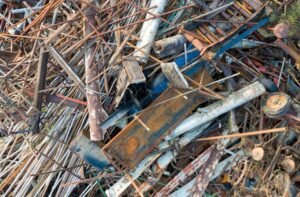
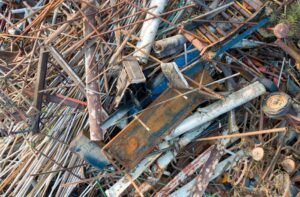
Accurate grading is the cornerstone of scrap metal valuation. Australian recyclers classify materials based on composition, purity, and form using internationally recognized standards:
Ferrous Metals (Iron-Based)
- Heavy Melting Steel (HMS): Structural beams, machinery parts (1&2 grades)
- Turnings: Machining scraps requiring oil removal
- Cast Iron: Engine blocks, pipes with 2-4% carbon content
- Shredded Scrap: Post-shredder material from automobiles
Non-Ferrous Metals
- Copper: Bare bright (99%+ pure), #1 tubing, motors (learn how to sell copper how to get the best price for copper scrap)
- Aluminium: Extrusions, castings, foil separation
- Stainless Steel: 304 (18/8) vs 316 (marine grade) identification
- Titanium: Aerospace alloys vs commercial pure grades (titanium scrap price how to get the best value for your titanium)
Misgrading causes 15-30% value loss. Always separate metals by type and remove contaminants like plastic, rubber, or other metals. Industrial operations should implement ASTM or ISRI standards compliance. Non-ferrous metals typically yield higher returns due to energy-intensive primary production.
The Scrap Recycling Process: Step-by-Step
Australia’s advanced recycling infrastructure transforms discarded metal into reusable material through seven key stages:
1. Collection & Sorting: Scrap is gathered from households (e.g., council pickups), demolition sites, and manufacturing waste. Magnetic separators divide ferrous and non-ferrous metals. Sensor-based systems like XRF analyzers identify alloy compositions at certified Australian facilities.
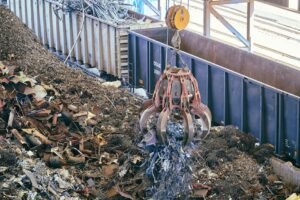
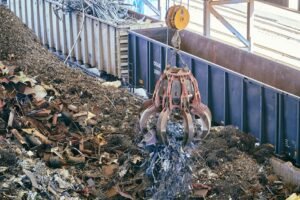
2. Processing: Materials undergo shearing (cutting to size), baling (compression), or shredding. Fragmentizers reduce cars to fist-sized pieces within 45 seconds, recovering 95% recyclable content.
3. Purification: Eddy currents separate aluminum from contaminants. Chemical baths remove coatings. Copper undergoes electrolytic refining achieving 99.99% purity.
4. Melting: Furnaces operate at material-specific temperatures: aluminium (660°C), copper (1084°C), steel (1538°C). Electric arc furnaces recycle steel with 75% less energy than blast furnaces.
5. Solidification: Molten metal forms ingots, billets, or slabs. Alloying elements are added for specific industrial applications.
6. Manufacturing: Recycled content enters production cycles – aluminium becomes beverage cans within 60 days; steel rebar reinforces infrastructure projects.
7. Distribution: Finished products return to market, completing the circular economy loop. Australia exports 30% of processed scrap internationally.
Environmental Benefits of Scrap Metal Recycling
Recycling metals delivers measurable ecological advantages:
Energy Conservation: Aluminium recycling uses 95% less energy than primary production. Recycling one tonne of steel saves 1,131 kg of iron ore, 633 kg of coal, and 54 kg of limestone.
Emissions Reduction: Steel recycling cuts CO2 emissions by 58%. Copper recycling produces 65% fewer emissions. Collectively, metal recycling offsets 500 million tonnes of global CO2 annually.
Resource Preservation: Recycling extends finite mineral reserves. Every tonne of recycled electronic scrap recovers 100-300g of gold versus 5g per tonne of mined ore. It also reduces destructive mining practices – copper recycling preserves 15 tonnes of overburden per tonne of metal.
Landfill Diversion: Metals occupy 9% of Australian landfill space despite being 100% recyclable. Recycling one car saves 2.5m³ of landfill volume.
Water Protection: Primary metal production contaminates waterways with heavy metals and acids. Recycling reduces mining-related water pollution by 76%.
Australia’s National Waste Policy aims to increase metal recovery rates beyond the current 90% for lead and 75% for steel. Platforms like Scrap.Trade accelerate this transition through efficient material matching.
Maximizing Scrap Value: Practical Guidelines
Implement these proven strategies to enhance returns:
- Pre-Sorting Protocols: Separate metals by type and grade using magnets (ferrous identification) and visual inspection
- Contaminant Removal: Strip insulation from wires, remove rubber from copper tubing
- Volume Building: Combine smaller batches for bulk pricing advantages
- Market Timing: Track LME (London Metal Exchange) prices and sell when indices peak
- Certification: Use accredited recyclers holding ISO 14001 or AS/NZS 5377 compliance
Industrial generators should invest in on-site balers and granulators. Construction sites benefit from designated scrap containment zones. To get scrapt prices that reflect true market value, leverage platforms that provide real-time bidding. Post your scrap requirement get best scrap deals connects sellers with verified buyers nationwide.
Scrap Technology Innovations
Cutting-edge technologies enhance recovery efficiency:
AI Sorting Systems: Machine learning algorithms identify metal alloys via spectral analysis with 98% accuracy, doubling sorting speed. Australian plants like SIMS Metal deploy LIBS (Laser-Induced Breakdown Spectroscopy) for real-time composition verification.
Blockchain Traceability: Distributed ledgers track scrap origin, processing history, and carbon impact – critical for ESG compliance.
Advanced Shredding: Hammermills with adaptive torque control process mixed scrap streams while minimizing fines generation.
Robotics: Automated arms perform dangerous sorting tasks in shredder residue lines, recovering additional non-ferrous fragments.
These innovations increase Australian scrap recovery rates by 12-18% annually while reducing processing costs.
Sourcing Scrap Responsibly in Australia
Legal compliance is paramount when you get scrapt. Follow these guidelines:
- Documentation: Maintain acquisition records per state regulations (e.g., NSW Scrap Metal Industry Act 2016)
- Prohibited Materials: Never accept regulated items like railway components or beer kegs without proof of ownership
- Licensing: Commercial operators require state-issued scrap metal licenses with police background checks
Ethical sourcing prevents material theft and supports legitimate recycling channels. Explore efficient procurement through our dedicated get scrap sourcing portal.
Economic Impact of Scrap Recycling
Scrap recycling contributes significantly to Australia’s economy:
- Directly employs 34,000+ workers nationally
- Generates AU$6 billion in annual economic activity
- Exports exceed AU$4 billion yearly, led by copper and aluminium
- Creates 13 indirect jobs for every direct position in the supply chain
Manufacturers using recycled content achieve 22% production cost savings on average. The industry’s circular model injects value into local economies while reducing import dependence.
Getting Started in Scrap Trading
Practical steps for newcomers:
- Identify scrap sources: Manufacturing off-cuts, demolition sites, end-of-life vehicles
- Invest in basic tools: Magnetic separators, wire strippers, cutting torches
- Connect with licensed buyers through verified trading platforms
- Start small with easily identifiable metals like copper wiring or aluminium cans
- Scale operations with weighbridge-certified collection vehicles
Conclusion: The Future of Scrap in Australia
Scrap metal recycling represents an environmental imperative and economic opportunity. By understanding grades, leveraging technology, and adopting responsible practices, businesses and individuals contribute to a sustainable future while realizing material value. As Australia advances toward zero-waste targets, scrap metal will play an increasingly vital role in resource security. Implement the strategies outlined here to maximize returns when you get scrapt, and explore specialized resources on our platform for continuous improvement in scrap management.
Frequently Asked Questions
What are the most valuable scrap metals in Australia?
Non-ferrous metals typically yield the highest returns. Copper ranks highest (especially bare bright grade), followed by high-grade aluminium alloys, titanium, and brass. Ferrous metals like steel have lower per-tonne values but generate significant volume-based returns. Always separate metals by purity to maximize value.
How does scrap metal recycling reduce environmental impact?
Recycling metals conserves natural resources and reduces energy consumption by 50-95% compared to primary production. It decreases mining waste by 97% and cuts greenhouse gas emissions significantly – recycling aluminium creates only 5% of the emissions from bauxite refining. Additionally, it prevents landfill contamination from metal leaching.
Do I need special equipment to start scrapping?
Basic scrapping requires minimal equipment: strong magnets to identify ferrous metals, protective gloves, bolt cutters, and containers for sorting. For serious volume, invest in a trailer, wire stripper, and metal cutting tools. Digital scales help with accurate weighing before visiting scrap yards.
How often do scrap metal prices change in Australia?
Scrap prices fluctuate daily based on global commodity markets, primarily the London Metal Exchange (LME). Ferrous metals typically adjust weekly, while non-ferrous prices change daily. Monitor indices monthly for trends, but verify exact prices with buyers when ready to sell. Seasonal demand variations also affect pricing.