
When researching gippsland metal recyclers reviews, it is vital to understand the operational standards that define a top-tier facility in regional Victoria. Whether you are a local trade business or a homeowner clearing out a shed, choosing the right partner impacts not only your financial return but also the efficiency of the regional circular economy. In this guide, we break down everything you need to know about navigating the landscape of metal recycling in Gippsland.
Understanding the Gippsland Metal Recycling Landscape
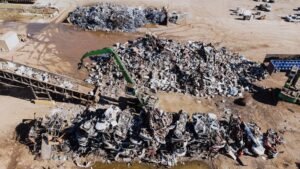
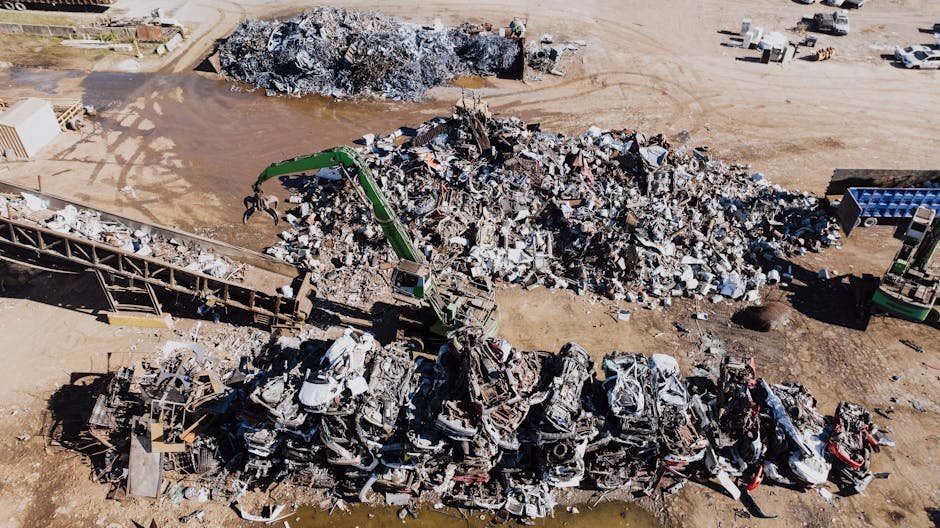
The Gippsland region has seen a significant shift in how waste is managed, with metal recycling playing a pivotal role in the local industrial ecosystem. When you look at gippsland metal recyclers reviews, you will notice that customers prioritize transparency in weighing, fair pricing, and ease of access. The industry has moved away from simple “junk yards” toward sophisticated processing hubs that utilize advanced technology to separate ferrous and non-ferrous metals.
For those looking to maximize their returns, understanding current Scrap Metal Prices is the first step. Prices fluctuate based on global demand, local logistics, and the purity of the material. By choosing a reputable facility, you ensure that your materials are processed according to Australian environmental standards, which in turn helps reduce the overall environmental benefit of your recycling efforts. If you are searching for a reliable partner, you might also compare services with other regions, such as metal recyclers sunshine or specialized firms like scrap metal recyclers artarmon, to understand the benchmarks for quality service.
The Recycling Process: From Scrap to Commodity
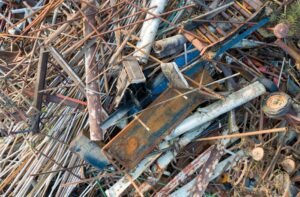
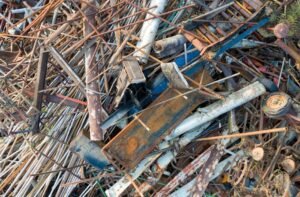
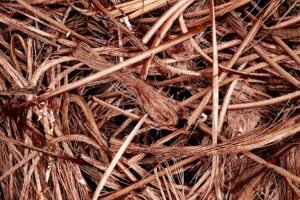
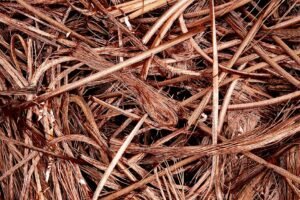
The journey of a piece of scrap metal—from your property to a refined commodity—is a complex process. It begins with collection, where a recycling centre will categorize the material. Ferrous metals, such as steel and iron, are separated from non-ferrous metals like copper, aluminum, and brass. This sorting is critical because non-ferrous metals retain their properties indefinitely, making them incredibly valuable for infinite recycling loops.
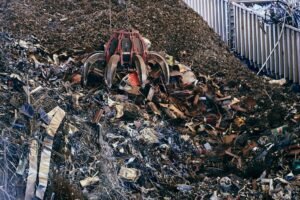
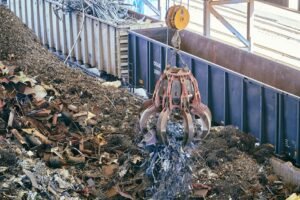
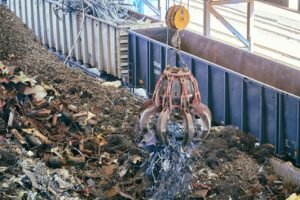
Once sorted, the metals undergo shearing, shredding, or torching to reduce their size for easier handling. High-powered magnets are often used to pull ferrous metals from the mix, while eddy current separators identify and eject non-ferrous materials. This process significantly lowers the carbon footprint of manufacturing, as producing metal from recycled scrap requires a fraction of the energy needed to mine and refine virgin ore. For those ready to turn their unwanted metal into cash, you can Sell Scrap Metal Near Me In 2026 through our platform to find the most competitive rates in your area.
Drop-Off vs. Pickup Service: Which is Right for You?
Deciding between a drop off and a pickup service largely depends on the volume and nature of your scrap. For smaller loads, such as copper piping, electrical wiring, or household appliances, a drop-off at a local facility is usually the most cost-effective method. It allows you to oversee the weighing process and receive immediate payment. However, for industrial quantities, construction site cleanups, or large-scale demolition projects, a professional pickup service is essential.
Many Gippsland recyclers offer bin services where they place a skip on your site, which you fill at your own pace, and they collect it once full. This logistical support is a hallmark of a high-quality recycler. When evaluating gippsland metal recyclers reviews, pay close attention to comments regarding the reliability of their pickup fleet. A recycler that is consistently late or fails to provide the promised bin sizes can disrupt your project timeline. Always verify the safety protocols of the provider, especially if you are dealing with heavy industrial machinery or hazardous materials that require specialized handling.
The Environmental Impact of Local Metal Recycling
The primary driver for the growth of the metal recycling industry in Gippsland is the undeniable environmental benefit. By keeping scrap metal out of landfills, we prevent heavy metals from leaching into the soil and groundwater. Furthermore, the energy savings are immense. Recycling aluminum, for instance, saves approximately 95% of the energy required to produce it from raw bauxite. This massive reduction in energy consumption directly translates to a lower national carbon footprint.
As we look toward a more sustainable future, the role of the local recycling centre becomes even more critical. These facilities act as the gatekeepers of the circular economy. By supporting local businesses that prioritize ethical processing, you are contributing to a cleaner Gippsland. If you are uncertain about where to start your recycling journey, you can search for Scrap Metal Recycling Near Me to find verified facilities that adhere to the highest standards of environmental compliance and occupational health and safety.
Maximizing Your Returns: Tips for Sellers
To get the most out of your scrap metal, preparation is key. First and foremost, clean your metal. Removing non-metallic attachments like plastic, wood, or rubber can significantly increase the grade of your scrap. A “clean” load of copper is worth substantially more than a “dirty” load that requires the recycler to perform extra labor to clean it. Second, sort your metals before you arrive at the facility. Keeping your aluminum, copper, and steel in separate containers makes the weighing process faster and more accurate.
Third, keep an eye on market trends. Metal prices are global commodities that react to supply chain news, geopolitical events, and industrial demand. If you have a large stockpile, it may be worth waiting for a period of high demand to offload your materials. Finally, build a relationship with your local recycler. Frequent sellers often get better service and more consistent pricing. For more expert advice on the industry, visit the Scrap Trade industry hub or explore the Scrap Trade Australia portal for comprehensive resources on metal classification and market analysis.
Safety Standards and Compliance in Gippsland
Safety is non-negotiable in the scrap metal industry. When reading reviews, look for mentions of site cleanliness, staff professionalism, and adherence to safety regulations. A reputable recycler will have clear signage, designated drop-off zones, and staff who are trained to handle heavy machinery and potentially sharp materials safely. They should also be fully compliant with Victorian environmental protection regulations.
Compliance ensures that hazardous waste, such as lead-acid batteries or fluids from end-of-life vehicles, is handled correctly. If a recycler seems to ignore these safety or environmental standards, it is a major red flag. Always choose a facility that prioritizes the safety of its workers and the community. By choosing compliant recyclers, you ensure that your scrap is being handled in a way that respects the environment and the law, providing peace of mind for both residential and commercial sellers.
The Future of Metal Recycling in Australia
As Australia moves toward a more circular economy, the technology used in Gippsland will continue to evolve. We are seeing increased investment in automated sorting technology, such as X-ray fluorescence (XRF) analyzers that can identify metal alloys with pinpoint accuracy. This means better sorting, higher purity levels, and ultimately, better prices for the consumer. The integration of digital tracking for scrap loads is also becoming more common, allowing for greater transparency in the supply chain.
The shift toward “green steel”—steel produced using renewable energy—also relies heavily on a steady supply of high-quality scrap metal. By participating in the recycling process today, you are playing a direct role in the decarbonization of the Australian manufacturing sector. The future of the industry is bright, and those who engage with it thoughtfully will be well-positioned to benefit from the increasing value of recycled materials. Keep track of industry developments and continue to refine your recycling habits to ensure you are always getting the best value and contributing to the best environmental outcomes.
Conclusion
Navigating the world of metal recycling in Gippsland doesn’t have to be complicated. By focusing on reputable facilities, understanding the sorting process, and staying informed about market prices, you can ensure that your scrap metal contributes to both your bottom line and the health of the planet. Whether you are a first-time seller or an industrial client, the principles of cleanliness, organization, and safety remain the same. Use the resources provided here to make informed decisions, and remember that every kilogram of metal recycled is a step toward a more sustainable and efficient future for Australia.
Frequently Asked Questions
How do I know if I’m getting a fair price for my scrap metal?
To ensure a fair price, check current market rates for specific metals like copper, aluminum, and steel before visiting a facility. Reputable recyclers will have clear pricing structures and use calibrated scales that you can view during the weighing process.
Should I clean my scrap metal before taking it to a recycler?
Yes, cleaning your scrap metal by removing non-metallic attachments like plastic, wood, or rubber is highly recommended. Cleaner, sorted metal is classified as a higher grade, which directly results in a higher payout for the seller.
What is the environmental benefit of recycling metal?
Recycling metal significantly reduces the need for mining and refining virgin ore, which saves vast amounts of energy and reduces greenhouse gas emissions. It also keeps hazardous materials out of landfills, protecting local soil and water quality.
How do I arrange a pickup service for large scrap loads?
Most professional recyclers offer bin or skip hire services for large industrial or demolition projects. Contact your local facility to discuss the volume of your scrap and schedule a time for them to drop off a container and collect it once it is filled.