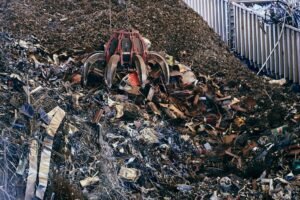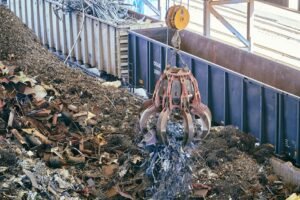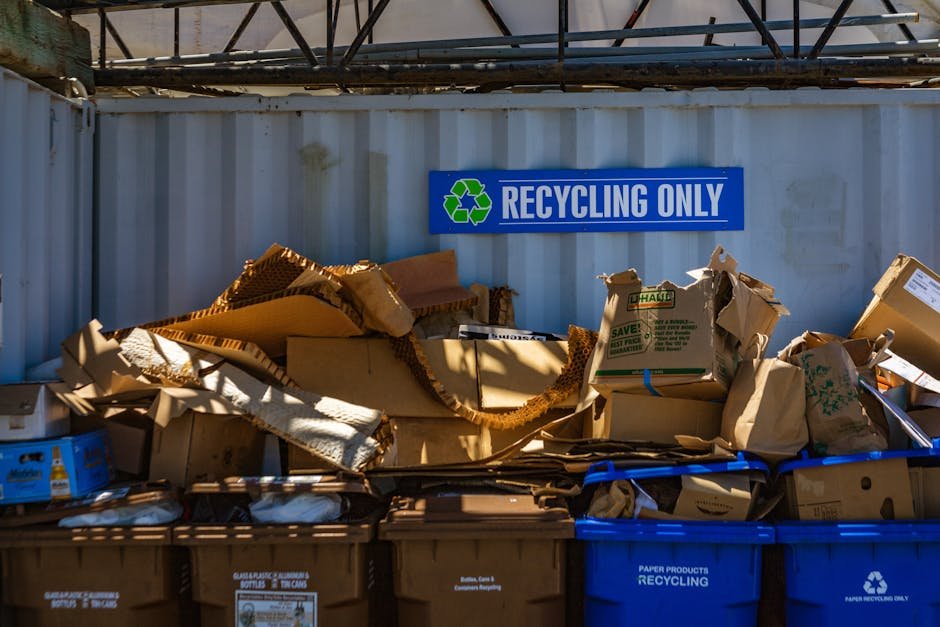

Navigating the local waste landscape in regional New South Wales is essential for sustainable living, and the glen innes recycling centre stands as a cornerstone of this effort. Whether you are a local resident clearing out a shed or a commercial contractor managing industrial waste, understanding how to effectively utilize the glen innes recycling centre is the first step toward responsible disposal. In an era where circular economy principles are becoming standard, knowing how to categorize your scrap metal and recyclables allows you to contribute to a broader Recycling Community that prioritizes environmental stewardship. By properly sorting your materials before arriving at the facility, you not only streamline the processing time but also ensure that valuable commodities are recovered rather than discarded.
The Importance of Regional Recycling Infrastructure
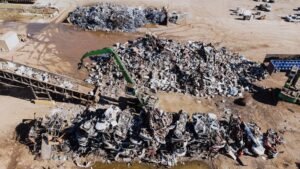
Regional recycling facilities like the one in Glen Innes play a pivotal role in the Australian waste management ecosystem. Unlike urban centers that benefit from high-density collection services, regional hubs must be self-sufficient and highly organized. The glen innes recycling centre serves as a vital link in the supply chain, connecting local waste streams with national recycling markets. When we talk about the difference between Scrap Trading Vs Recycling Business, it is important to recognize that while a recycling centre focuses on material recovery and diversion, a trading platform often focuses on the commodity value of those recovered goods. Understanding this distinction helps residents identify whether they should be looking for a drop-off point for general waste or a specialized buyer for high-value metals.
For those living in regional areas, the convenience of finding Scrap Metal Recycling Near Me can be challenging. However, by engaging with established facilities, you support the local economy and reduce the carbon footprint associated with long-distance waste transport. The commitment to go green recycling is not just a slogan; it is an operational necessity for regional councils that must manage landfill capacity and environmental impact simultaneously. By diverting metals, plastics, and paper, the community ensures that these materials are processed into new products, effectively closing the loop on consumption.
Sorting and Preparing Your Scrap Metal
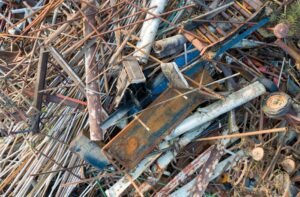
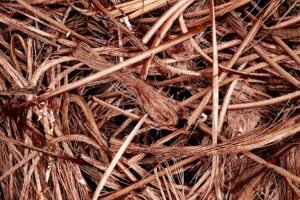
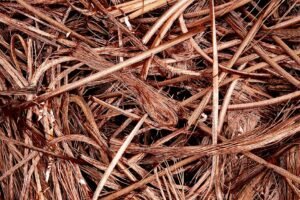
Maximizing the efficiency of the recycling process begins at home. Before you transport your items to the facility, take the time to sort them by material type. Ferrous metals, such as steel and iron, are magnetic and are the most common materials found in household scrap. Non-ferrous metals, including aluminum, brass, copper, and stainless steel, hold significantly higher market value and should be kept separate. For those interested in specialized commodities, such as copper recycling melbourne, the principles of purity remain the same: contamination with other materials significantly lowers the value and complicates the recycling process.
When preparing your scrap, remove non-metallic attachments such as plastic handles, rubber coatings, or wooden frames. While some facilities have the equipment to shred these items, manual removal is always preferred and often required. Ensure that containers are empty and dry. For larger items, such as old white goods, check if the facility requires you to remove refrigerants or hazardous components beforehand. If you are unsure about the specific requirements, visiting Scrap Trade can provide you with industry-standard guidelines on how to prepare various types of scrap for optimal recovery.
The Economic and Environmental Benefits of Recycling
The economic argument for recycling is as strong as the environmental one. When metals are recycled, they require significantly less energy to process compared to mining and refining raw ore. For instance, recycling aluminum saves approximately 95% of the energy required to produce the same amount of metal from bauxite. By utilizing the local recycling centre, you are directly contributing to a reduction in industrial energy consumption. Furthermore, the scrap metal industry creates jobs in logistics, processing, and manufacturing, providing a boost to regional economies.
Beyond the energy savings, recycling prevents toxic substances from leaching into the local soil and water tables. Old electronics, batteries, and appliances often contain heavy metals like lead, mercury, and cadmium. When these are disposed of in general waste, they pose a long-term threat to the environment. The professional handling of these materials at a dedicated centre ensures that hazardous components are captured, contained, and treated according to strict environmental regulations. This comprehensive approach to waste management is what defines a modern, responsible community.
Navigating Regulations and Facility Guidelines
Every recycling facility operates under specific local government guidelines. It is crucial to check the operating hours, accepted material lists, and any potential fees associated with specific types of waste before you depart. Some materials may be accepted for free, while others—such as construction and demolition waste—might incur a tipping fee. Understanding these policies helps avoid frustration and ensures a smooth drop-off experience. You can find more detailed information on industry standards and best practices at Scrap Trade Australia, which offers resources for both individuals and businesses looking to optimize their recycling efforts.
Safety is another critical aspect of visiting any recycling centre. Always wear appropriate footwear, such as steel-toed boots, and gloves when handling scrap metal. Metal edges can be razor-sharp, and heavy loads require proper lifting techniques. If you are dropping off large volumes of material, inform the site staff upon arrival so they can direct you to the appropriate unloading zone. Following the guidance of site operators not only keeps you safe but also helps maintain the operational flow of the facility.
Advanced Recycling Techniques for Businesses
For local businesses in the Glen Innes area, recycling is not just an environmental choice but a business strategy. Implementing a robust waste management plan can reduce disposal costs and potentially generate revenue through the sale of high-grade scrap metal. Businesses that generate consistent streams of waste, such as workshops, plumbing firms, or construction companies, should consider establishing a dedicated collection system on-site. This involves using color-coded bins for different metal types, which prevents cross-contamination and ensures that the material is ready for transport to the recycling centre.
Furthermore, businesses should track their recycling metrics. By keeping records of the volume and type of materials recycled, companies can report on their sustainability goals and demonstrate their commitment to the environment to their clients. This data-driven approach is becoming increasingly important as consumers and partners prioritize working with companies that can prove their green credentials. Whether you are a small business or a large-scale industrial operation, the principles of effective waste management remain the same: reduce, reuse, and recycle.
The Future of Circular Economy in Regional Australia
The future of recycling in regional Australia lies in innovation and improved logistics. As technology advances, we expect to see more efficient sorting methods, such as AI-driven optical sorters, becoming accessible to regional facilities. These technologies will allow for even higher recovery rates and cleaner material streams. Additionally, as the demand for recycled materials grows globally, the value of scrap metal will likely continue to rise, providing further incentives for individuals and businesses to participate in the recycling economy.
Community engagement is also key. Educational programs that teach residents about the importance of proper sorting can significantly reduce the amount of contaminated waste that ends up in landfills. By fostering a culture of responsibility and awareness, the Glen Innes area can continue to lead by example in regional sustainability. The ongoing support for the local recycling centre ensures that it remains a viable and effective solution for years to come. Every piece of metal recycled is a success story for the environment, and collectively, these actions create a significant positive impact.
Practical Tips for Frequent Recyclers
If you find yourself visiting the recycling centre regularly, consider these practical tips to make your trips more efficient. First, keep a dedicated area in your garage or yard for sorting. Having separate bins for steel, aluminum, and copper makes the final sort before your trip to the centre much faster. Second, keep a magnet in your toolkit; it is the simplest way to distinguish between ferrous and non-ferrous metals. Third, stay informed about local council updates. Sometimes, new recycling programs or special collection events are introduced that could change how you dispose of certain items.
Lastly, network with others in the industry. Joining local groups or forums can provide you with insights into market trends and best practices. Sharing knowledge with other recyclers can help you identify new ways to process your materials or find better outlets for specific types of waste. The goal is to make recycling a seamless part of your routine rather than a chore. When you approach recycling with a proactive mindset, you will find that it is both rewarding and financially beneficial.
Frequently Asked Questions
What types of metal are accepted at the Glen Innes recycling centre?
The facility typically accepts a wide range of metals including steel, iron, aluminum, copper, and brass. It is recommended to contact the centre directly or check the local council website to confirm the specific list of accepted materials and any preparation requirements.
Do I need to clean my scrap metal before dropping it off?
Yes, cleaning and sorting your scrap metal is highly recommended. Removing non-metallic attachments like plastic, rubber, or wood helps the facility process the material more efficiently and may ensure you receive better service or value.
Is there a fee for recycling scrap metal?
While many recycling programs accept scrap metal for free to encourage diversion from landfills, some commercial or large-scale drop-offs may incur a fee. Always check the current fee schedule with the local council or the facility management before you arrive.
How can businesses in Glen Innes improve their recycling rates?
Businesses can improve recycling by implementing on-site sorting systems, training staff on material categorization, and tracking their waste output. Partnering with local recycling services and keeping accurate records of recycled materials also supports sustainability goals.