
Understanding global metal scrap flows is essential for Australian traders, recyclers and sustainability managers who want to capture value while lowering carbon footprints. This authoritative guide unpacks every layer—from internationally recognised grades to on-the-ground recycling technology and market pricing—so you can buy, sell or process scrap with confidence.
What Counts as Global Metal Scrap?
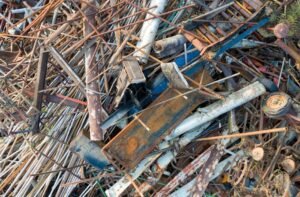
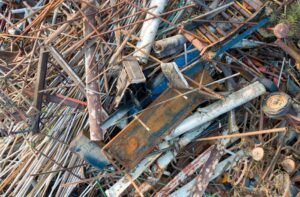
Global metal scrap refers to ferrous and non-ferrous metals that have left the product loop and re-entered global supply chains for remelting. The Institute of Scrap Recycling Industries (ISRI) and the European Ferrous Recovery and Recycling Federation (EFR) publish specifications that are accepted on every continent, so a container of shredded auto bodies loaded in Melbourne can be priced and melted in Jakarta, Mumbai or Rotterdam without re-inspection.
Key categories include:
- Ferrous scrap: Heavy Melting Steel (HMS 1&2), Plate & Structural (P&S), busheling, shredded, and recycled steel turnings.
- Non-ferrous scrap: Copper wire #1/#2, aluminium extrusion 6063, brass rod, zinc die-cast, stainless steel 18/8, and mixed nickel alloys.
- High-temperature alloys: Inconel, titanium and tool steels used in aerospace and oil & gas.
Each grade carries a unique chemical specification, density threshold and allowable residual content that directly affects Scrap Metal Prices. Traders who learn the nomenclature avoid price disputes and customs holds at port.
International Grades and Specifications
Export contracts quote ISRI codes, so Australian suppliers must sort and process accordingly. Below are the most traded specs and practical tips to meet them.
Ferrous Grades
- HMS 1 (200-18): 6 mm thick, 60 × 24 inch max, no galvanised, no rebar ties.
- HMS 1&2 (80-20): 80 % HMS 1, 20 % HMS 2 by weight; density ≥ 0.6 t/m³.
- Shredded (210): Auto bodies shredded to fist-size, ≤ 0.25 % copper, ≤ 1 % residual zinc.
- P&S (232): Cut structural beam, 12 mm thick, 1.5 m max length, density ≥ 0.7 t/m³.
When you Sell Scrap Metal Near Me In 2026, yards will probe your pile with handheld XRF guns and drop a 1 m³ cage to check density. If the chemistry or weight is off, the entire truck can be downgraded from HMS 1 to HMS 2, slashing AUD $40–60 per tonne. Pre-sorting with a shear or grapple saves thousands.
Non-ferrous Grades
- Copper wire #1 (Barley): 99.9 % Cu, uncoated, 16 ga and thicker.
- Copper wire #2 (Berry): 94–96 % Cu, may have solder, paint or light tin coat.
- Aluminium extrusion 6063 (Taint/Tabor): No thermal break, no paint > 5 % by weight.
- Aluminium UBC (Talc): Used beverage cans, drained, no foil tops, 1 % moisture max.
Non-ferrous penalties escalate quickly: 1 % extra iron on a 20-t shipment of copper chops can trigger a US $300–400 deduction. Store each alloy in a separate bunker and cover it from rain to prevent oxidation staining.
Nickel and Alloy Steels
Global metal scrap streams from aerospace plants often contain Inconel 718 or Ti 6-4. These require positive material identification (PMI) and are traded on a contained-value basis, e.g., 17 % Ni at LME nickel price minus US $1.50 per pound conversion margin. If you list lots scrap metal online, specify exact grade, weight and PMI report to attract specialist buyers who pay premiums.
How Metal Recycling Works Step-by-Step
Modern recycling is a high-throughput industrial process that turns old cars, demolished bridges and household whitegoods into specification-grade commodities.
1. Collection and Feedstock
Trucks, rail hoppers and shipping containers collect material from households, demolition sites and factories. GPS tracking ensures full chain-of-custody documentation required under Australian regulations. If you need pick-up, book through Scrap Metal Recycling Near Me to locate licensed facilities with weighbridges certified by the National Measurement Institute.
2. Sorting and Beneficiation
Scrap yards use:
- Excavator magnets: Remove iron from mixed material.
- Eddy-current separators: Eject non-ferrous metallics.
- X-ray transmission (XRT): Sort by atomic density; stainless separates from copper.
- Handheld LIBS lasers: Instant carbon reading on turnings to separate low-carbon 304 from high-carbon 316 stainless.
Correct sortation raises average revenue per tonne by 12–18 %.
3. Shearing, Baling and Shredding
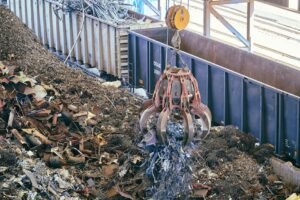
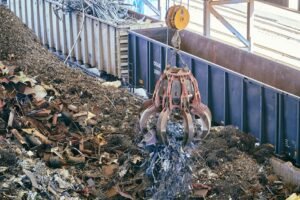
Oversized items pass through 6,000-tonne shear or 8,000-hp shredder. Auto shredders produce fist-size frag that meets ISRI 210. Dust extraction systems recover fluff (foam, fabric) for energy-from-waste plants.
4. Melting and Refining
Electric arc furnaces (EAF) melt 100 % scrap to produce new steel using 60 % less energy than blast-furnace iron ore routes. Secondary aluminium smelters use rotary furnaces with salt flux; dross is reprocessed to recover aluminium and salt for reuse. Copper scrap is fire-refined then electrolytically upgraded to 99.99 % cathode.
5. Solidification and Rolling
Continuous casters convert molten metal into billets, slabs or rods that re-enter the supply chain for cars, cans and construction. Because recycled metal maintains its atomic properties, the loop can repeat indefinitely.
Environmental and Economic Benefits
Trading and processing global metal scrap is among the highest-impact climate actions an industrial society can undertake.
- Energy savings: Recycled aluminium saves 95 % of the energy versus bauxite; recycled copper saves 85 %; steel saves 68 %.
- CO₂ reduction: Every tonne of steel scrap used in an EFT prevents 1.4 t of CO₂. Australia’s 5 Mt of steel scrap consumed domestically equates to taking 1.1 million cars off the road.
- Landfill diversion: Metal makes up 8 % of municipal solid waste; recycling keeps heavy metals out of groundwater.
- Resource security: Australia imports 70 % of its copper concentrate; recycling 230 kt of copper scrap offsets the need for new mines and reduces geopolitical risk.
The global recycling industry also supports 1.6 million jobs and generates over US $100 billion in value annually, proving that sustainability and profitability can coexist.
Price Drivers and Market Trends
Scrap prices correlate with volatile LME, COMEX and Shanghai Futures contracts, but local dynamics matter.
Key Variables
- Turkish import bookings: Turkish steel mills are the world’s largest scrap importers; a US $10 rise in their HMS 1&2 bids lifts global prices within 48 h.
- Shipping rates: A US $1,000 rise in 20-ft container freight from Sydney to Mumbai can erase profit on high-volume, low-value shredded scrap.
- Exchange rates: AUD depreciation makes Australian scrap cheaper to overseas buyers, pushing domestic prices up.
- Scrap-to-hot-rolled-coil (HRD) spread: When steel mills’ margins shrink, they lower scrap bids; when finished steel rises, scrap follows.
Use Scrap Metal Prices to view live indices and set up email alerts for HMS 1&2, shredded, and copper wire #1 delivered to your region.
2024–2026 Outlook
Global scrap generation is forecast to grow 5 % CAGR as China’s 2000-era construction boom enters demolition phase. Simultaneously, green-steel policies in the EU and North America will add 40 Mt of EAF capacity, tightening high-grade scrap supply and supporting prices. Australian exporters with deep-water ports are well-positioned to supply South-East Asian mills that need low-residual shredded.
Hedging Tips
- Forward-sell 30 % of expected generation using futures or OTC swaps to lock in margin.
- Blend HMS 1 with lower-grade HMS 2 to stay within chemistry limits when Turkish buyers lower Cu tolerance to 0.25 %.
- Invest in sensor-based sorting to reduce reliance on manual labour and achieve consistent specifications.
Regulations, Quality Assurance and Risk Management
Exporting global metal scrap from Australia means complying with the Hazardous Waste (Regulation of Exports and Imports) Act, Basel Convention, and IMO 2020 dangerous-goods rules. Non-compliance risks fines up to AUD $2 million and vessel detention.
Best-Practice Checklist
- Radiation detection: Install gate monitors and handheld dosimeters; record every load.
- ISRI specification sheets: Attach to shipping instructions; include photos of representative sample.
- Insurance: Marine cargo and liability coverage to handle total loss or contamination claims.
- Audit trail: Keep weighbridge tickets, XRF printouts and container seal numbers for five years.
Join industry bodies such as the Australian Metal Recycling Industry Association (AMRIA) for regulatory updates and advocacy.
Downstream Due Diligence
Follow the OECD Due Diligence Guidance for Responsible Supply Chains to ensure your scrap does not contain conflict minerals or sanctioned entities. Digital platforms like scrap.trade embed compliance checks and provide verified buyer networks, reducing counter-party risk.
Practical Tips for Maximising Profit
- Keep it clean: Remove wood, plastic and rubber before loading; every 1 % of contamination can reduce price by AUD $7 per tonne for shredded.
- Cut to spec: Shear over-length structural beams to 1.5 m to meet P&S 232 and avoid rejection.
- Store on concrete: Prevent dirt pick-up that raises silica penalties in furnace.
- Track inventories weekly: Falling prices? Sell quickly; rising prices? Hold in yard if you have pad space and cash-flow headroom.
- Bundle small lots: Combine mixed non-ferrous into 5-t blocks to attract container buyers and reduce per-tonne freight.
Document everything with photos and geo-tagged timestamps; buyers pay premiums for data-rich shipments because it shortens their melt-shop qualification time.
Digital Trading and the Future of Global Scrap
Online marketplaces now connect Australian suppliers with Indian, Vietnamese and Bangladeshi mills in real time. Sellers upload photos, weight tickets and assays; buyers book shipping and issue letters of credit, all within a single dashboard. Listing your material on platforms such as scrap metal online widens your buyer pool beyond local yards and can add 5–10 % to realised prices. Blockchain pilots are also underway to create immutable records of grade and carbon savings, aligning with Scope 3 emission disclosure requirements for OEMs.
Conclusion: Turning Knowledge into Action
Mastering global metal scrap grades, recycling science and price levers positions you to capture higher margins while advancing the circular economy. Sort to ISRI spec, track macro price signals, and leverage digital platforms to reach vetted buyers. Whether you operate a demolition company, run a recycling yard, or simply want to monetise factory off-cuts, the steps outlined here will help you trade smarter, cut emissions, and build a resilient revenue stream for 2026 and beyond. For deeper regional data, visit the team at scraptrade.com.au and start turning scrap into sustainable profit today.
Related: global scrap metal
Frequently Asked Questions
What is the difference between HMS 1 and HMS 2?
HMS 1 is thicker (≥ 6 mm) and smaller (60 × 24 in max) with no galvanised or cast iron, while HMS 2 allows thinner and longer pieces and up to 0.3 % copper. Mixing them in an 80-20 ratio forms HMS 1&2, the most traded global grade.
How do I get the best scrap metal prices near me?
Separate alloys, remove contamination, cut to spec length, and monitor live indexes on Scrap Metal Prices. Booking multiple buyers through digital platforms often adds 5-10 % to your realised rate.
Is recycled metal lower quality than virgin metal?
No. Once melted and refined, recycled metal has identical atomic structure and mechanical properties. Aerospace and medical manufacturers routinely use aluminium, copper and nickel derived from scrap.
What documents do I need to export scrap from Australia?
You need a Basel permit for hazardous waste, ISRI specification sheet, radiation-free certificate, insurance policy, and customs export declaration. AMRIA provides templates and checklist to streamline approvals.