
What Are Global Scraps?
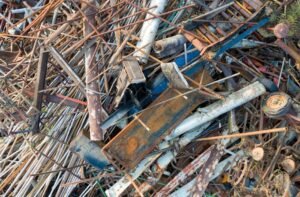
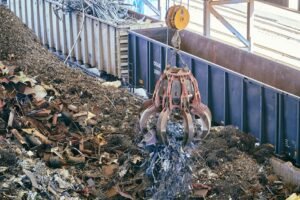
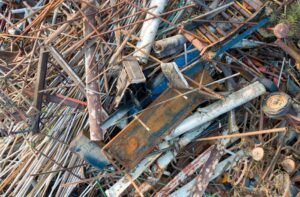
Global scraps refer to recycled metal materials—both ferrous and non-ferrous—that are collected, processed, and traded across international borders. These materials originate from end-of-life vehicles, demolished buildings, industrial machinery, and consumer electronics. Once sorted and graded, they are shipped to manufacturing hubs worldwide where they are melted down and repurposed into new products. The international trade of global scraps plays a vital role in reducing the need for virgin ore extraction and minimizing landfill waste.
Trading global scraps involves strict standards and specifications to ensure quality and consistency. Organizations like the Institute of Scrap Recycling Industries (ISRI) and Bureau of International Recycling (BIR) provide standardized grading systems that help buyers and sellers communicate clearly across borders. These grades define acceptable contamination levels, composition, and preparation methods for materials like copper, aluminum, steel, and brass.
How Global Scrap Recycling Works
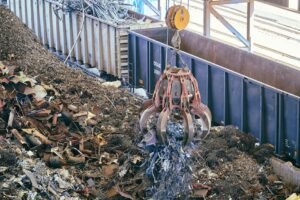
The journey of global scraps begins with collection and sorting at local recycling centers. After segregation by metal type and quality, the materials are compacted or shredded for efficient transportation. Exporters then list their inventory on platforms like Scrap.Trade, connecting with international buyers seeking specific grades.
Buyers evaluate listings based on purity, volume, and compliance with import regulations. Once a deal is confirmed, logistics partners handle shipping, customs clearance, and delivery. Upon arrival, the receiving mill processes the scrap into raw material for new industrial applications. This entire cycle reduces energy consumption by up to 95% compared to primary metal production.
- Ferrous metals (e.g., iron and steel) are the most commonly traded global scraps
- Non-ferrous metals like aluminum and copper command higher prices due to their recyclability and demand
- Proper grading minimizes disputes and ensures smooth international transactions
Trading Global Scraps Safely & Profitably
To succeed in the global scrap market, sellers must understand how to position their materials for international demand. One effective strategy is learning how to list scrap materials for global buyers with accurate descriptions, clear photos, and proper grading. Transparency builds trust and attracts serious buyers.
Equally important is avoiding fraud. Scammers often target inexperienced exporters with fake letters of credit or overpayment schemes. Learn how to protect yourself by reviewing best practices on how to avoid scams in global scrap transactions.
Price transparency is another key factor. Buyers compare offers from multiple countries to secure the best value. Understanding this dynamic can help sellers remain competitive. Explore how scrap buyers compare global prices to refine your pricing strategy. Regional markets, such as Australia scraps, have unique supply chains and regulatory frameworks that impact trade flows. Similarly, digital platforms for online scraps trading are transforming accessibility and speed in the industry. For Australian-based traders, Scrap Trade Australia offers localized support and market insights.
Frequently Asked Questions
What are global scraps?
Global scraps are recyclable metal materials traded internationally, including ferrous and non-ferrous metals. They are processed and reused in manufacturing, helping reduce environmental impact and conserve resources.
How are global scraps graded?
Global scraps are graded based on type, purity, and preparation using standards from organizations like ISRI and BIR. Proper grading ensures quality and facilitates smooth international trade.
How can I sell scrap to global buyers?
List your materials with accurate descriptions and photos on platforms like Scrap.Trade. Make sure to follow guidelines on how to list scrap materials for global buyers to attract serious offers.
Are online scrap trading platforms reliable?
Yes, trusted platforms like Scrap.Trade and Scrap Trade Australia provide secure environments for connecting sellers and buyers globally.