
Understanding Got Scrap: An Overview
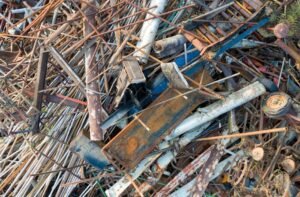
Got scrap? If you have scrap metal lying around, you’re holding a valuable resource that can be repurposed to benefit both your bottom line and the planet. Scrap metal recycling is a cornerstone of modern sustainability, transforming discarded materials into new products while conserving natural resources. In Australia, the scrap trade plays a vital role in the circular economy, with industries relying on recycled metals for construction, manufacturing, and infrastructure development. Whether you’re a homeowner with old appliances or a business managing industrial waste, understanding how to navigate the scrap market can turn your scrap pieces into profit while reducing environmental impact.
Grades of Scrap Metal: Classification and Value
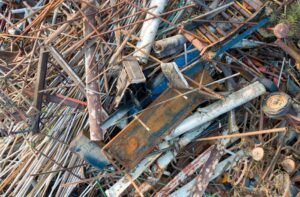
Scrap metal is categorized into grades based on material type, purity, and market demand. The primary classifications are ferrous and non-ferrous metals, each with distinct characteristics and applications:
- Ferrous Metals: Contain iron and are magnetic. Common types include steel, cast iron, and wrought iron. These are widely used in construction, automotive, and general manufacturing. Ferrous scrap is the most abundant and typically less valuable per ton than non-ferrous metals.
- Non-Ferrous Metals: Do not contain iron and are non-magnetic. Examples include aluminum, copper, brass, and zinc. These metals are prized for their conductivity, corrosion resistance, and lightweight properties, often commanding higher prices in the scrap trade due to their versatility in electronics, plumbing, and aerospace industries.
- Specialty Scrap: Includes high-value alloys like stainless steel, Inconel, and precious metals (e.g., gold, silver). These require specialized processing and are often recycled for niche applications in medical devices, energy systems, and high-tech manufacturing.
Proper classification of scrap is critical for maximizing its value. For instance, clean, sorted aluminum cans can fetch significantly more than mixed scrap pieces contaminated with dirt or other materials. Businesses and individuals alike should partner with certified recyclers to ensure accurate grading and fair pricing.
How Scrap Metal Recycling Works
The recycling process for scrap metal involves several stages, each designed to extract maximum value while minimizing environmental harm:
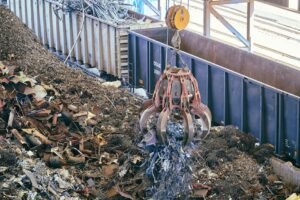
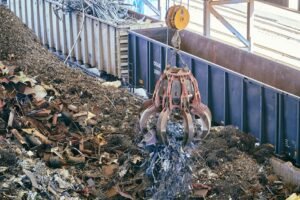
- Collection: Scrap is gathered from industrial facilities, construction sites, households, and e-waste centers. Australia’s robust scrap collection networks ensure efficient logistics, with dedicated trucks and storage facilities to handle large volumes.
- Sorting and Processing: Scrap is sorted using magnetic separators, optical sensors, and manual inspection. Contaminants like plastic, glass, and non-metallic components are removed to improve purity. Shredding, shearing, and baling equipment then prepare the material for melting.
- Melting and Refining: Sorted scrap is loaded into furnaces where it is melted at high temperatures. Impurities are skimmed off, and alloys are adjusted to meet industry standards. Advanced facilities in Australia use electric arc furnaces (EAFs) to reduce energy consumption and emissions.
- Reforming and Distribution: The molten metal is cast into ingots, billets, or sheets for resale to manufacturers. Recycled steel, for example, is used to produce new cars, appliances, and building materials, closing the loop on resource use.
By recycling 1 ton of steel, for example, Australia saves approximately 1,134 kWh of energy and reduces CO2 emissions by 880 kg compared to producing new steel from iron ore. This efficiency underscores the importance of effective scrap solutions in industrial sustainability.
Environmental Benefits of Scrap Recycling
Recycling scrap metal offers profound environmental advantages, making it a cornerstone of Australia’s sustainability strategy:
- Reduces Landfill Waste: Scrap metal, if not recycled, can occupy landfills for centuries. Recycling diverts millions of tons of waste annually, with the Australian Recycling Industry Council reporting that over 70% of steel and 50% of aluminum are recycled each year.
- Conserves Natural Resources: Mining for raw metals like bauxite (for aluminum) or iron ore causes habitat destruction and resource depletion. Recycling reduces the need for new extraction, preserving ecosystems and biodiversity.
- Lowers Energy Consumption: Producing aluminum from recycled scrap uses 95% less energy than from raw materials. Similarly, recycling steel saves 60% of the energy required for primary production.
- Reduces Greenhouse Gas Emissions: The recycling process emits significantly fewer greenhouse gases than mining and refining. In 2022, Australia’s metal recycling sector prevented 12 million tons of CO2 equivalent emissions, equivalent to removing 2.5 million cars from the road.
These benefits align with global climate goals and position Australia as a leader in sustainable resource management. By choosing to recycle, individuals and businesses directly contribute to a circular economy that prioritizes reuse over waste.
Practical Tips for Selling Scrap
If you’ve got scrap to sell, optimizing your approach ensures you receive the best price and support responsible recycling. Here are key strategies:
- Sort and Clean Scrap: Separate ferrous and non-ferrous metals, and remove contaminants like dirt, plastic, or rubber. Clean, sorted materials attract higher bids from recyclers.
- Research Market Prices: Use online tools and Sell Scrap platforms to track current rates for different metals. Prices fluctuate based on global demand, so timing your sale can maximize returns.
- Partner with Certified Recyclers: Choose recyclers with ISO 14001 certification or membership in the Australian Recycling Industry Council (ARIC) to ensure ethical and environmentally sound practices.
- Document and Weigh Scrap: Accurate records of your scrap type and weight streamline the transaction and prevent disputes. Most recyclers offer on-site scales for convenience.
- Explore Bulk Opportunities: Large quantities of scrap (e.g., demolition waste, industrial waste) can be sold to scrap yards or brokers specializing in bulk purchases. This often yields better rates than piecemeal transactions.
Platforms like scrap.trade simplify the process by connecting sellers with verified buyers, providing transparent pricing, and offering logistics support for large shipments.
The Future of Scrap Recycling in Australia
As sustainability becomes a global priority, Australia’s scrap recycling industry is evolving through innovation and policy support. Advances in AI-driven sorting, electric vehicle battery recycling, and blockchain traceability are enhancing efficiency and transparency. Government initiatives like the National Waste Policy Action Plan aim to increase recycling rates to 80% by 2030, with scrap metal playing a central role.
For businesses and individuals, staying informed about these trends is key. Adopting best practices in scrap management not only boosts profitability but also aligns with corporate social responsibility (CSR) goals. By embracing scrap solutions, Australia can continue leading the transition to a low-carbon, resource-efficient economy.
Conclusion: Making the Most of Got Scrap
Got scrap? You’re in a prime position to contribute to a sustainable future while generating revenue. Whether you’re managing industrial waste or clearing out old appliances, understanding scrap grades, recycling processes, and market dynamics empowers you to make informed decisions. By partnering with reputable recyclers and leveraging digital platforms like scraptrade.com.au, you can ensure your scrap is handled responsibly and fairly.
Recycling is more than an environmental duty—it’s an economic opportunity. With Australia’s growing emphasis on circular economy principles, the value of scrap will only increase. Start today by assessing your scrap inventory, exploring local recycling options, and joining the movement toward a greener, more sustainable world.
FAQs About Got Scrap
Frequently Asked Questions
What are the main grades of scrap metal?
Scrap metal is divided into ferrous (iron-containing), non-ferrous (no iron), and specialty grades. Ferrous metals like steel are magnetic, while non-ferrous metals such as aluminum and copper are not. Specialty scrap includes high-value alloys and precious metals.
How does recycling scrap metal benefit the environment?
Recycling reduces landfill waste, conserves natural resources, lowers energy consumption, and cuts greenhouse gas emissions. For example, recycling aluminum saves 95% of the energy needed to produce new aluminum from raw materials.
What are the steps to recycle scrap metal?
The process involves collection, sorting, melting, and reforming. Scrap is sorted by type, melted in furnaces, refined to remove impurities, and then cast into new products for reuse in manufacturing.
How can I sell my scrap efficiently?
Sort and clean your scrap, research market prices, partner with certified recyclers, and use platforms like Sell Scrap to connect with buyers. Documenting and weighing your scrap ensures a smooth transaction.