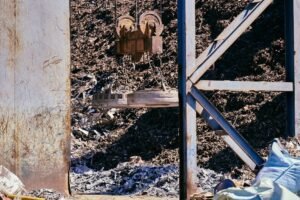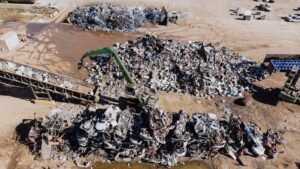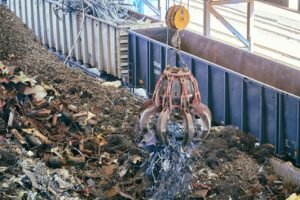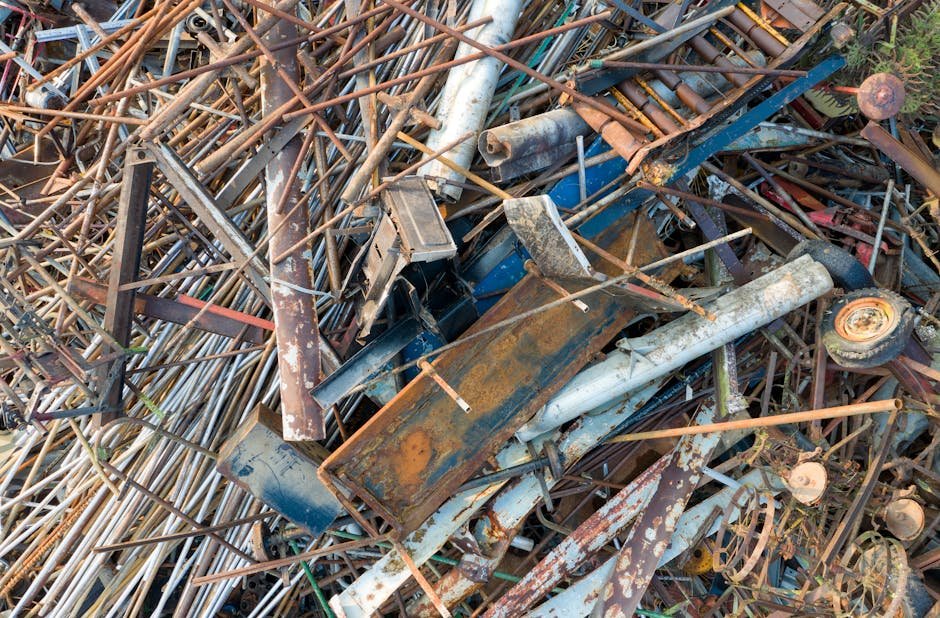

Navigating the world of goulburn scrap metal recycling requires understanding its specialized processes, economic significance, and environmental advantages. As a major regional hub in New South Wales, Goulburn generates substantial scrap volumes from agriculture, manufacturing, construction, and household sources. This comprehensive guide details everything from fundamental scrap classifications to advanced recycling technologies transforming waste into valuable resources.
Scrap Metal Fundamentals: Why Goulburn’s Recycling Matters
Goulburn’s strategic location along the Hume Highway positions it as a critical collection point for scrap metal across the Southern Tablelands. The region handles over 15,000 tonnes annually, with local yards processing materials from Crookwell to Braidwood. Recycling metals requires 92% less energy than virgin ore processing – a crucial efficiency given Australia’s goal to achieve an 80% resource recovery rate by 2030. The ScrapTrade platform connects regional suppliers with national buyers, enhancing market fluidity.
Decoding Scrap Metal Grades: From Rusty Iron to Premium Copper
Accurate grading determines scrap value and recyclability. Ferrous metals (containing iron) comprise 80% of Goulburn’s scrap stream. Common grades include:
- Heavy Melting Steel (HMS 1&2): Structural beams, machinery parts over 6mm thickness
- Cast Iron: Engine blocks, pipes, stoves
- Shredded Scrap: Fragmented vehicles/appliances
Non-ferrous metals command higher Scrap Metal Prices due to scarcity and processing ease:
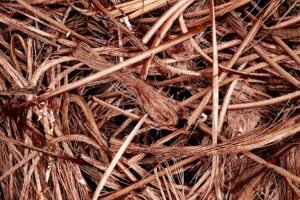
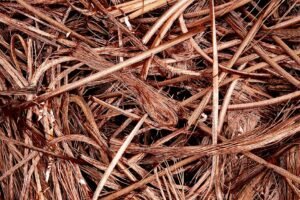
- Copper Grades 1-3: Bare bright wire ($8/kg), tubing, contaminated
- Brass: Plumbing fixtures, shell casings
- Aluminum: Extrusions, castings, foil
- Stainless Steel: 304 and 316 alloys from food/service industries
Industrial sources like Goulburn’s engineering workshops typically yield cleaner, higher-grade material versus household scrap.
The Recycling Journey: From Scrap Yard to New Product
Goulburn scrap metal undergoes seven critical processing stages after collection:
- Inspection & Weighing: Trucks enter certified weighbridges like those at Goulburn Recycling Centre
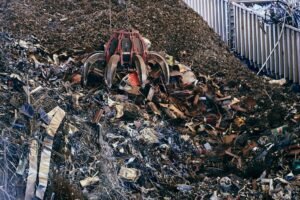
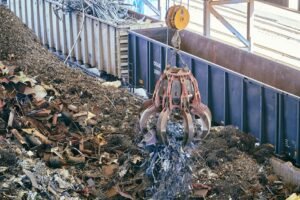
- Sorting & Decontamination: Magnets separate ferrous metals; technicians remove hazardous attachments
- Size Reduction: 3000hp shredders process 120 tonnes/hour
- Purification: Eddy current separators isolate non-ferrous metals
- Baling/Compaction: Processed scrap compressed into 1-tonne cubes
- Remelting (Offsite): Electric arc furnaces melt steel at 1600°C
- Manufacturing: Steel mills recast into reinforcement bars or sheet metal
Local processors like scrap metal goulburn specialists follow AS/NZS 5377 standards for waste tracking, ensuring 98% material recovery rates.
Environmental Imperatives: Beyond Landfill Diversion
Recycling metals in Goulburn delivers measurable ecological benefits:
- Energy Conservation: Aluminum recycling uses 95% less energy than primary production
- Emissions Reduction: Every tonne of recycled steel prevents 1.5 tonnes of CO2 emissions
- Resource Preservation Recycling 1 tonne copper conserves 15 tonnes virgin ore
- Water Protection Prevents acid mine drainage from metal extraction
NSW’s Waste Avoidance and Resource Recovery Act 2001 incentivizes these practices, with Goulburn Council reporting 35% landfill reduction since 2018 through improved metal recovery programs.
Economic Catalyst: Scrap Metal’s Role in Goulburn’s Growth
The scrap industry contributes $4.7 million annually to Goulburn’s economy through:
- Employment Local yards employ 50+ specialists in logistics, processing, and trading
- Manufacturing Inputs Bluescope Steel sources 30% feedstock from regional recyclers
- Cost Savings Recycled steel costs 40% less than virgin material for fabricators
- Revenue Streams Farms earn $3,000-$15,000/year from machinery scrap
Current Scrap Metal Prices create dynamic opportunities – copper fluctuates between $6-$9/kg, making timing crucial for maximising returns.
Maximising Your Scrap Returns: Preparation Protocols
Follow these expert tips when preparing materials:
- Ferrous Separation: Use magnet tests to isolate steel/iron
- Non-Ferrous Cleaning: Remove rubber/plastic from copper wiring
- Alloy Identification: Use handheld XRF analyzers for stainless grades
- Safe Handling: Depressurize tanks, remove refrigeration gases
- Volume Building: Accumulate 100kg+ batches for better pricing tiers
For specialized items like catalytic converters or transformers, partner with certified Scrap Metal Recycling Near Me processors to ensure regulatory compliance.
Partnering with Recyclers: Services and Compliance
Top Goulburn recyclers offer:
- EPA-licensed processing with weight documentation
- Container services for commercial generators
- Certificate of Destruction for vehicles
- Data destruction for IT equipment
When choosing facilities, verify:
- NSW EPA License numbers displayed onsite
- Transparent pricing aligned with London Metal Exchange
- SafeWork NSW compliance certificates
Digital platforms like Sell Scrap Metal Near Me In 2026 streamline material tracking from pickup to payment.
Regional Integration: Connecting Goulburn to National Markets
Goulburn’s scrap ecosystem interconnects with broader NSW recycling networks:
- Transport logistics funnel materials to Port Kembla steelworks
- Specialized alloys ship to Sydney refineries for purification
- Electronic waste undergoes component harvesting in Western Sydney
This integration allows comparative analysis with flows from regions like tweed scrap metal operations, highlighting geographic material variations.
Forward Focus: Innovation in Metal Recycling
Emerging advancements will shape Goulburn’s scrap landscape:
- AI-powered sorting robots achieving 99% purity
- Hydrogen-based steelmaking replacing coke furnaces
- Blockchain material tracing from source to remanufacture
- Urban mining initiatives targeting in-ground infrastructure
The NSW Government’s Net Zero Plan pledges $2 billion toward circular economy technologies, positioning goulburn scrap metal operations for transformative growth through 2030.
Conclusion: The Circular Economy in Action
Goulburn’s scrap metal industry exemplifies resource efficiency – converting discarded materials into economic assets while delivering profound environmental benefits. By understanding scrap classifications, preparation standards, and market mechanisms, businesses and residents can optimize participation in this sustainable loop. As technologies advance, metal recycling will increasingly underpin regional development and Australia’s transition toward circular resource models.
Frequently Asked Questions
What types of scrap metal bring the highest prices in Goulburn?
Clean non-ferrous metals command premium prices: bare bright copper wire ($8-9/kg), aluminum extrusions ($2.50/kg), and lead-acid batteries ($0.80/kg) are top performers. Industrial brass machining scraps and stainless steel 316 also yield strong returns. Prices fluctuate with global markets – check live Scrap Metal Prices before selling.
How do I legally dispose of scrap cars in Goulburn?
NSW requires vehicles to be processed at licensed facilities providing Certificates of Destruction. Reputable scrap metal goulburn yards handle fluid drainage, airbag deactivation, and hazardous material removal per EPA guidelines. You’ll need photo ID, vehicle registration papers, and must remove personal belongings before drop-off.
What environmental regulations govern scrap metal recycling in NSW?
Key regulations include the Protection of the Environment Operations Act 1997 (licensing requirements), Waste Avoidance and Resource Recovery Act 2001 (recovery targets), and AS/NZS 5377 for waste tracking. Goulburn recyclers must prevent soil contamination, control noise/dust emissions, and maintain detailed records of material flows and downstream processors.
Can households profit from scrap metal recycling in Goulburn?
Absolutely. Households typically generate 50-200kg annually of recyclable metals from appliances, electronics, and renovation projects. Concentrate on copper wiring ($6-8/kg), aluminum cans ($1.50/kg), and brass fittings ($4/kg). Accumulate until you have minimum volumes (usually 20kg+). Use our Sell Scrap Metal Near Me In 2026 locator to find buyer requirements.