
The Complete Guide to Buying & Selling Scrap Online
INTRODUCTION
The global scrap industry is undergoing its most significant transformation in decades. What was once a business built on handshakes, local relationships, and opaque pricing is rapidly moving online and the businesses that embrace this shift stand to gain enormously.
Whether you are a scrap dealer with a yard full of ferrous metal, a manufacturer with industrial surplus, or an importer looking for reliable material sources across borders, the digital scrap marketplace is now your most powerful tool. This blog is your complete guide to understanding scrap, mastering online scrap trade, and growing your business using ScrapTrade. The platform purpose-built for the global scrap community.
SECTION 01
What is Scrap? Understanding the Global Scrap Industry
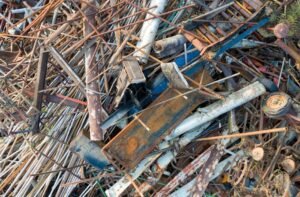
Scrap refers to any material; metal, plastic, paper, glass, or electronic components that has reached the end of its initial useful life and is ready to be recovered, processed, and reintroduced into the manufacturing supply chain. Far from being mere waste, scrap is one of the most valuable commodities traded globally, forming the backbone of the circular economy.
The Major Categories of Scrap
- Ferrous Scrap: Iron and steel-based materials including old vehicles, demolished structural steel, industrial offcuts, and machinery. Ferrous scrap is the most traded scrap commodity in the world.
- Non-Ferrous Scrap: Metals that contain no iron copper, aluminium, brass, zinc, lead, nickel, and precious metals. Non-ferrous scrap commands significantly higher prices per tonne due to the purity and value of the base metals.
- Electronic Scrap (E-Waste): Discarded computers, mobile phones, circuit boards, and consumer electronics. E-waste contains recoverable gold, silver, copper, and rare earth elements.
- Plastic Scrap: Post-industrial and post-consumer plastics including HDPE, PET, PVC, and polypropylene, which can be reprocessed into pellets for manufacturing.
- Paper and Cardboard Scrap: Old corrugated containers (OCC), mixed paper, and newsprint major inputs for the paper recycling industry.
The Scale of the Global Scrap Market
The global scrap recycling market is valued at over $400 billion USD annually and continues to grow. Steel alone contributes the largest share, with approximately 600–700 million tonnes of ferrous scrap recycled globally each year. Non-ferrous metals, particularly copper and aluminium scrap, represent hundreds of billions of dollars in additional trade flows.
India is one of the fastest-growing scrap import markets in the world, driven by the expansion of electric arc furnace (EAF) steel production, growing aluminium consumption, and surging demand for recycled copper from the electrical and construction sectors.
Why Scrap Matters: Environmental and Economic Impact
Recycling scrap metal uses up to 75% less energy than producing virgin metal from ore. For aluminium specifically, recycling saves approximately 95% of the energy required for primary production. Every tonne of steel recycled saves 1.5 tonnes of CO2 emissions and conserves significant quantities of iron ore, coal, and limestone.
Beyond the environmental case, scrap trade is economically vital. It provides raw material inputs for steel mills, foundries, smelters, and manufacturers at costs significantly lower than primary materials. A critical advantage in a competitive global market.
Scrap is not the end of a material’s life. It is the beginning of its next one.
SECTION 02
The Traditional Scrap Trade: How It Works and Where It Falls Short
For most of its history, scrap trade has operated through a network of personal relationships, geographic proximity, and hard-won trust. While this model has worked for decades, it comes with structural limitations that increasingly put traditional traders at a disadvantage in a fast-moving global market.
The Traditional Supply Chain
The conventional scrap supply chain typically flows as follows:
- Scrap Generators: Factories, demolition companies, vehicle dismantlers, and households produce scrap material as a byproduct of their core activities.
- Local Dealers and Collectors: Small-scale collectors and scrap yard operators aggregate material from generators, providing the first point of formal commerce.
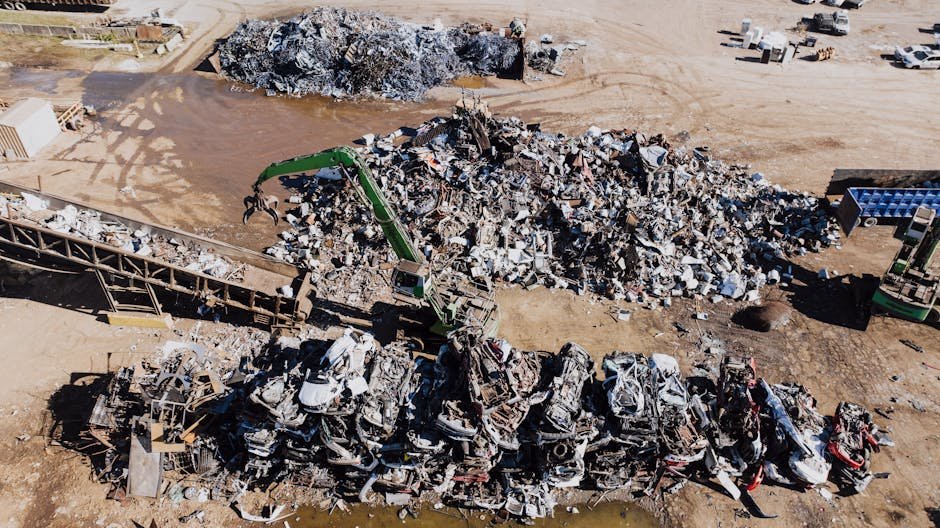
- Processors and Traders: Larger operators who sort, shred, bale, or shear scrap into grades suitable for industrial buyers, often acting as intermediaries between small dealers and end consumers.
- End Consumers: Steel mills, smelters, foundries, and manufacturers who consume scrap as a direct raw material input.
Key Pain Points in Traditional Scrap Trade
The traditional model, while functional, suffers from several deep-rooted challenges:
- Price Opacity: Without access to real-time market data or competitive quotes, both buyers and sellers often transact at prices that are far from optimal. Dealers rely on informal networks and phone calls to gauge value.
- Geographic Limitations: Traditional dealers are largely confined to their local or regional markets, limiting both their buyer base and their sourcing options. A scrap yard in Ahmedabad may not know that a buyer in Turkey is willing to pay a premium for the same grade of copper.
- Middleman Compression: The multi-layer chain of collectors, aggregators, and processors each takes a margin, significantly reducing what the original generator receives and increasing what the end buyer pays.
- Trust and Verification Challenges: Without formal verification mechanisms, buyers have limited ways to assess the reliability of a new supplier, and vice versa. This leads to risk aversion and insular trading relationships.
- Logistics Complexity: Arranging transport, weighbridge verification, and documentation for large-scale scrap transactions is often manual, error-prone, and time-consuming.
- Cash-Dependent Transactions: A significant portion of traditional scrap trade still relies on cash payments, creating inefficiencies, compliance risks, and barriers to scaling.
The traders who thrive in the next decade will be those who move beyond local relationships and embrace digital tools to access the global scrap marketplace.
SECTION 03
Scrap Trade Online: The Digital Revolution in Recycling Commerce
The digitalisation of scrap trade is not a distant future. It is happening right now. Online scrap marketplaces are fundamentally changing how scrap is bought, sold, priced, and shipped, bringing transparency, efficiency, and global reach to an industry that has long operated in the shadows.
What Online Scrap Trade Looks Like
Online scrap trading platforms function similarly to other B2B e-commerce marketplaces but are tailored specifically for the complexity of scrap commodities. Sellers post detailed listings including material type, grade, quantity, location, photos, and asking price while buyers browse, compare, and submit inquiries or purchase offers.
Key features of modern online scrap platforms include:
- Real-time price discovery based on live market data and LME (London Metal Exchange) benchmarks
- Verified seller and buyer profiles with trade history, ratings, and documentation
- Inquiry management systems to streamline negotiations and communication
- Integrated logistics support connecting traders with freight and shipping partners
- Digital documentation tools for material certifications, weighbridge reports, and compliance records
The Benefits of Going Digital
- Wider Market Reach: A seller in Gujarat can now receive inquiries from buyers in South Korea, Turkey, or the UAE without any prior relationship or cold calling.
- Price Transparency: Online platforms create competitive pricing environments where multiple buyers compete, ensuring sellers receive fair market value.
- Operational Efficiency: Digital tools reduce the time spent on phone calls, price negotiations, and documentation from days to hours.
- 24/7 Visibility: Your scrap listings are visible and discoverable around the clock, in multiple geographies simultaneously.
- Trust Infrastructure: Verification systems, reviews, and trade records create a foundation of trust that supports transactions between parties who have never met.
Mobile-First Scrap Trading
For many traders in India and emerging markets, the smartphone is the primary business device. Modern scrap trading platforms are built mobile-first, enabling dealers to photograph material on-site, create listings from the yard, respond to buyer inquiries in real time, and track transaction status from anywhere.
The scrap dealer of tomorrow runs their global trading business from a smartphone. The technology is already here.
SECTION 04
Introducing ScrapTrade: Your All-in-One Online Scrap Marketplace
ScrapTrade is purpose-built for the global scrap community a dedicated B2B marketplace that connects scrap sellers, dealers, processors, and recyclers with verified buyers from around the world. Unlike generic trading platforms or commodity exchanges, ScrapTrade is designed from the ground up for the unique requirements of scrap commerce.
Who ScrapTrade Is Built For
- Scrap Yard Operators and Dealers looking to sell material to a wider base of buyers
- Industrial Scrap Generators factories, manufacturers, and demolition contractors with surplus material
- Recycling Companies and Processors seeking consistent offtake channels
- Scrap Importers and Exporters looking to source material globally or find international buyers
- Smelters, Foundries, and Mills that need reliable, price-competitive scrap supply
Core Features of ScrapTrade
ScrapTrade offers a comprehensive set of tools designed to make every stage of the scrap trade cycle faster, safer, and more profitable:
- Material Listings: Create detailed, photo-rich listings for any type of scrap ferrous, non-ferrous, e-waste, plastic, and more. Specify grade, quantity, location, and pricing terms.
- Global Buyer Directory: Access a verified network of domestic and international scrap buyers actively seeking material in your category.
- Price Benchmarking Tools: View current market prices for major scrap grades, benchmarked against LME and regional spot prices, to ensure your listings are competitively positioned.
- Inquiry and Negotiation Management: A structured communication system that keeps all buyer interactions organised, recorded, and easy to manage.
- Seller Verification and Badges: Build trust with buyers through ScrapTrade’s verification system, which validates your business registration, trade history, and material quality.
- Logistics Coordination: Connect with ScrapTrade’s logistics partners for transport, containerisation, and shipping support for both domestic and international shipments.
How to Get Started on ScrapTrade
Getting started on ScrapTrade is straightforward:
- Step 1: Register your business on Scrap.Trade with your basic company information.
- Step 2: Complete the verification process by submitting business registration documents.
- Step 3: Create your seller profile include your company’s history, capabilities, and the categories of scrap you deal in.
- Step 4: Post your first listing with high-quality photos, accurate material specifications, and your preferred pricing and trade terms.
- Step 5: Start receiving inquiries from matched buyers and begin building your global trading relationships.
ScrapTrade is more than a marketplace. It is a complete business platform for the modern scrap industry.
SECTION 05
How to Sell Scrap Online: A Step-by-Step Guide for Traders & Recyclers
Selling scrap online for the first time can feel unfamiliar, but the process is simpler than it appears — and the rewards in terms of price realisation and buyer access are substantial. Here is a complete step-by-step guide to selling scrap effectively on ScrapTrade.
Step 1: Prepare Your Scrap for Sale
The foundation of a successful online scrap sale is accurate, well-prepared material. Before creating a listing:
- Sort your scrap by material type and grade. Mixed or contaminated material attracts lower prices and more buyer hesitation.
- Weigh your material and record the net weight. Buyers will always ask for this first.
- Document the source of the material where possible. Scrap from a single identifiable source (factory closure, demolition project) often commands a premium.
- Photograph the material clearly wide shots showing quantity and close-ups showing condition and grade. Good photos are the single biggest factor in generating buyer inquiries.
Step 2: Create a Compelling Listing
An effective listing on ScrapTrade contains:
- Material Type and Grade: Be specific. ‘Copper wire scrap, 99%+ purity, bright and shiny’ is far more valuable to a buyer than simply ‘copper scrap.’
- Quantity: State the available tonnage clearly. Indicate whether the quantity is fixed or if you have ongoing supply.
- Location and Loading Terms: Specify your location and whether your price is EXW (Ex-Works), FOR (Freight on Road), or CIF (Cost, Insurance, Freight).
- Asking Price or Best Offer: Choose a price point informed by ScrapTrade’s real-time benchmarking data.
- Photos and Documentation: Attach material photos and any available certificates, test reports, or weighbridge records.
Step 3: Manage Buyer Inquiries
Once your listing goes live, you will begin receiving inquiries from interested buyers. Best practices for managing inquiries include:
- Respond quickly buyers on ScrapTrade are often comparing multiple suppliers simultaneously
- Provide complete, accurate answers to every question about material specifications
- Be open to sample requests from serious buyers, especially for high-value non-ferrous material
- Use ScrapTrade’s secure messaging system to keep all communications documented
Step 4: Close the Deal and Get Paid
When you have agreed on terms with a buyer, ensure that all commercial terms are documented in a written agreement or purchase order before arranging shipment. Recommended payment terms for online scrap trade include advance payment (TT in advance), letter of credit (LC), or an agreed payment against documents. Work with your logistics partner to arrange pickup, and provide the buyer with weighbridge receipts, packing lists, and material test reports as agreed.
SECTION 06
How to Buy Scrap Online: Sourcing Quality Material from Global Sellers
For scrap buyers — whether you are a smelter, a recycler, a mill, or a trading company online sourcing via ScrapTrade transforms how you find, evaluate, and procure material. The traditional model of relying on a small network of known suppliers is giving way to a data-driven, competitive procurement approach.
Why Buy Scrap Online?
- Access to a wider pool of sellers across regions and countries, increasing competition and driving better prices
- Transparent pricing with real-time market benchmarking, reducing reliance on individual seller quotes
- Verified supplier profiles with trade history, reducing counterparty risk
- Ability to set up material alerts so you are notified when your required grade becomes available
- Structured inquiry and documentation flows that reduce administrative burden
Searching and Evaluating Listings
ScrapTrade’s search and filter tools allow buyers to narrow listings by material type, grade, quantity range, location, and pricing. When evaluating a listing:
- Check the seller’s verification status and trade history on their profile
- Review all photos carefully — look for signs of contamination, mixed material, or misrepresentation
- Request a pre-shipment sample or third-party inspection for high-value transactions
- Clarify loading and shipping terms before submitting an offer
Cross-Border Scrap Procurement: Key Considerations
For international purchases, additional steps are necessary:
- Import/Export Regulations: Verify that the scrap material you intend to import is not restricted under the Basel Convention or your country’s import policy.
- ISRI Specifications: Familiarise yourself with ISRI (Institute of Scrap Recycling Industries) grade definitions, which provide an internationally recognised standard for scrap classification.
- Shipping and Containerisation: For bulk non-ferrous scrap, container shipments with proper packing and fumigation certificates are standard. For ferrous scrap, bulk vessel or break-bulk shipments are common.
- Payment Terms: Letters of credit (LC at sight or usance) provide protection for both parties in international scrap transactions. For established relationships, open account terms may be agreed.
The best scrap buyers are not just sourcing material. They are building supply chains. ScrapTrade helps you do both.
SECTION 07
Grow Your Scrap Business with ScrapTrade: Strategies for Scale
Joining ScrapTrade is the first step. The businesses that see transformative results are those that actively use the platform as a strategic growth tool building reputation, diversifying their buyer base, and using data to make smarter trading decisions. Here are the key strategies for scaling your scrap business on ScrapTrade.
Build a Strong Seller Reputation
On ScrapTrade, your reputation is your most valuable asset. The sellers who attract the best buyers and highest prices consistently maintain:
- Accurate and detailed listings — buyers trust sellers whose descriptions match the delivered material
- Prompt responses to inquiries — speed signals professionalism and seriousness
- Consistently high buyer ratings through fair dealing and reliable delivery
- A complete business profile with certifications, photos of your facility, and documented trading history
Diversify Your Material Portfolio
Many scrap businesses start by trading in one or two material categories. ScrapTrade’s analytics can reveal demand trends across other categories, helping you identify adjacent opportunities. A steel scrap dealer might discover strong demand for copper wire scrap, stainless steel, or aluminium extrusion in the same buyer network.
Expand from Local to Global — Phased Approach
Rather than attempting to enter international markets immediately, a phased expansion approach works best:
- Phase 1 — Regional Dominance: Build a strong reputation and steady deal flow within your state and region, establishing your platform credibility.
- Phase 2 — National Reach: Use ScrapTrade’s national buyer directory to start selling to buyers in other states, particularly in major industrial hubs.
- Phase 3 — Export Markets: Once you have a track record and logistics familiarity, begin exploring export inquiries from verified international buyers on ScrapTrade.
Use ScrapTrade’s Premium Listing Features
Premium listings on ScrapTrade receive significantly higher visibility in search results, category pages, and buyer alerts. Investing in promoted visibility during periods when you have large quantities available can substantially reduce the time-to-sale and improve the price you receive.
Build Partnerships That Extend Your Capability
The most successful scrap businesses on digital platforms are not lone operators — they build ecosystems. Consider partnering with:
- Logistics and freight companies who understand scrap shipment requirements
- Weighbridge and testing facility operators who can provide third-party documentation
- Other scrap dealers who may have material you can aggregate and sell in larger, more attractive lots
Growth in the scrap business is no longer just about having the right connections. It is about having the right platform, the right reputation, and the right strategy.
SECTION 08
Connect with Global Scrap Buyers Online: Unlocking International Markets
For scrap traders in India and across Asia, the international market represents an extraordinary opportunity. Global demand for recycled materials is at an all-time high — driven by decarbonisation mandates, green steel initiatives, and the rapid growth of manufacturing in developing economies. ScrapTrade’s global buyer network puts this opportunity within reach of every registered seller.
The World’s Top Scrap Importing Markets
Understanding where global demand for scrap is concentrated helps you prioritise your export outreach:
- Turkey: The world’s largest importer of ferrous scrap, Turkey’s electric arc furnace steel industry consumes tens of millions of tonnes annually. Turkish mills are highly competitive buyers with established import infrastructure.
- India: A major importer of both ferrous and non-ferrous scrap, India’s demand is driven by its steel, aluminium, and copper recycling industries. Domestic supply is insufficient to meet manufacturing demand.
- South Korea: A leading importer of non-ferrous scrap, particularly copper, aluminium, and stainless steel, for its advanced manufacturing sector.
- Bangladesh: One of the fastest-growing steel markets in South Asia, Bangladesh imports large volumes of HMS (Heavy Melting Scrap) and shredded steel.
- China: Despite tightening import regulations, China remains a major consumer of high-grade copper, aluminium, and specialty metal scrap.
- Vietnam and Malaysia: Rapidly growing manufacturing economies with increasing appetites for industrial scrap as inputs for local production.
How ScrapTrade’s Global Buyer Network Works
ScrapTrade maintains a continuously updated directory of verified international buyers, segmented by material category, country, and purchasing volume. As a registered seller, you benefit from:
- Automatic matching of your listings to buyers with active purchasing mandates in your material category
- Direct inquiry notifications when an international buyer expresses interest in your listed material
- Access to buyer profiles showing their verification status, purchase history, and preferred trading terms
- Support for export documentation requirements including packing lists, ISRI grade certifications, and fumigation certificates
Pricing in International Scrap Trade
International scrap pricing is typically benchmarked against the London Metal Exchange (LME) for non-ferrous metals, and against CFR (Cost and Freight) Turkey or CFR India benchmarks for ferrous scrap. ScrapTrade’s price benchmarking tools display these reference prices in real time, enabling you to price your export listings competitively against the global market.
Regulatory Compliance for Scrap Export
Before exporting scrap, it is essential to understand the regulatory framework:
- Basel Convention: Controls the transboundary movement of hazardous waste, including certain categories of e-waste and contaminated scrap. Know which categories of scrap require prior informed consent (PIC) from the destination country.
- Indian Export Policy: Check the current export policy for the specific scrap commodity you intend to export. Some categories may require export licences or face quantity restrictions.
- Destination Country Import Rules: Requirements vary significantly. Turkey, for example, requires radiation survey certificates for all scrap imports. Verify requirements with your freight forwarder or the buyer.
The Future of Scrap Trade: ESG, Green Steel, and the Circular Economy
The long-term outlook for scrap demand has never been stronger. Global steel producers are under intense pressure to decarbonise their operations, and the primary pathway is replacing blast furnace production with electric arc furnace (EAF) steelmaking, which runs on scrap. By 2050, analysts project that over 50% of the world’s steel will be produced from recycled scrap.
Similarly, the automotive electrification revolution is driving massive demand for copper, aluminium, and battery metal scrap. The shift to a circular economy where materials are continuously recycled rather than extracted, places scrap at the very centre of the global industrial supply chain.
ScrapTrade is building the digital infrastructure for this future, connecting the suppliers of yesterday’s material with the manufacturers of tomorrow’s products, across borders and across industries.
The scrap you trade today will become the electric vehicle, the wind turbine, or the green building of tomorrow. ScrapTrade connects you to the buyers who need it most.
CONCLUSION
Start Trading on ScrapTrade Today
The global scrap industry is at an inflection point. Digital platforms are democratising access to buyers and sellers that were previously out of reach, price transparency is replacing opacity, and the traders who adapt to this new reality are growing their businesses faster than ever before.
Whether you are looking to sell your first container of copper scrap to an international buyer, source consistent volumes of aluminium for your smelting operation, or simply get better prices for the material you already deal in ScrapTrade is your platform.
The registration is free. The buyer network is global. The opportunity is now.
Register at Scrap.Trade start growing your scrap business today.