
When navigating the landscape of hastings scrap metal recyclers, it is essential to understand that metal recycling is not merely a waste management solution but a sophisticated industrial process that drives the circular economy. Whether you are a commercial contractor clearing a site or a homeowner with a collection of copper piping, choosing the right facility determines both your financial return and the environmental integrity of the process. As detailed in our Scrap Metal Recyclers: The Complete Australian Guide, the industry relies on rigorous grading standards that dictate the value of every kilogram processed. Understanding how these facilities operate allows you to optimize your collection, storage, and transport methods for maximum efficiency.
The Lifecycle of Metal: How Recycling Works
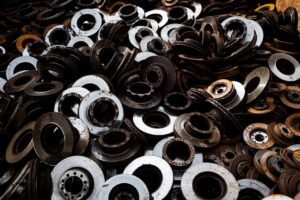
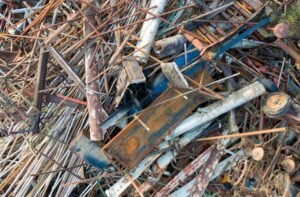
The transformation of scrap metal from a discarded item into a high-grade manufacturing input is a multi-stage engineering feat. When you deliver materials to hastings scrap metal recyclers, the process begins with precise identification. Using advanced technology like X-ray fluorescence (XRF) analyzers, recyclers determine the exact chemical composition of the alloy. This is critical because even minor impurities can compromise the integrity of the final product. Once identified, the metal undergoes a sorting phase where ferrous metals (iron and steel) are separated from non-ferrous metals (copper, aluminum, brass, and lead) using magnetic separators and eddy current sorters.
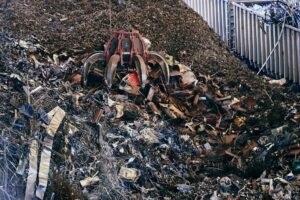
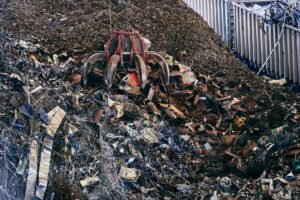
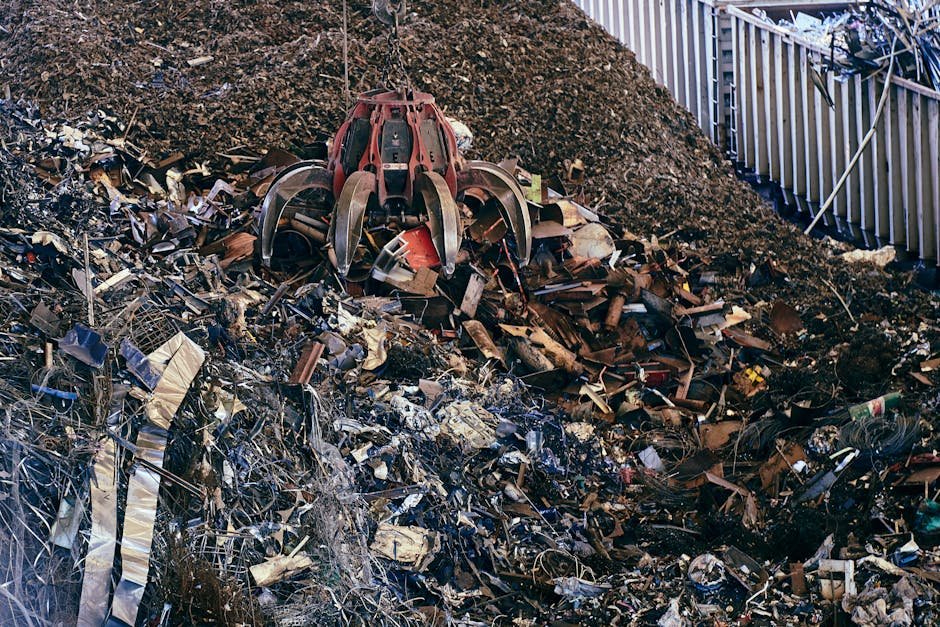
After sorting, the material is processed through industrial shredders or shears. Shredding turns bulky scrap into small, uniform pieces, which significantly increases the surface-area-to-volume ratio, making the subsequent melting process more energy-efficient. The resulting “shred” is then cleaned of non-metallic debris like plastics, glass, and textiles. Finally, the processed metal is melted in high-temperature furnaces, cast into ingots or billets, and shipped to manufacturers to be forged into new products. This closed-loop system is the backbone of modern industrial sustainability. For those looking to understand how the global market influences local rates, our resource on Scrap Metal Prices provides the necessary context to time your sales effectively.
Drop-off vs. Pickup: Choosing the Right Logistics
For individuals and businesses working with hastings scrap metal recyclers, the logistical choice between a drop-off and a pickup service is a major factor in profitability. A drop-off at a certified recycling centre is often the most cost-effective method if you have the equipment and time to transport your materials. It allows you to witness the weighing process firsthand, ensuring transparency and immediate payment. However, for large-scale industrial projects or demolition sites, a pickup service is often the only viable option. Professional recyclers offer specialized bins and skip services, providing a seamless workflow that prevents site clutter and ensures hazardous materials are handled according to strict environmental regulations.
When opting for a pickup service, ensure your scrap is segregated at the source. Mixing high-value copper with low-value steel can lead to lower overall returns, as the recycler will often grade the entire load based on the lowest value metal present. Furthermore, if you are managing a high volume of export-grade material, you may need to consult experts on How To Export Scrap Metal Internationally to understand the regulatory requirements for global trade. For local inquiries, you can always check the latest market data at Scrap Trade Australia to ensure you are receiving fair compensation for your specific metal grades.
Understanding Metal Grades and Market Value
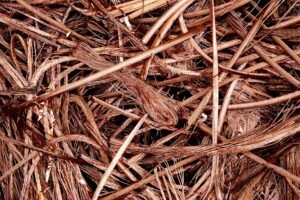
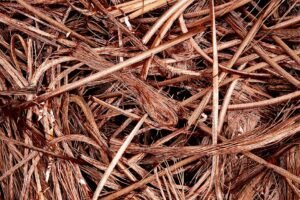
Not all scrap is created equal, and the ability to differentiate between grades is what separates the casual recycler from the professional. Ferrous metals, such as structural steel and cast iron, are usually sold in bulk and are subject to global commodity fluctuations. Non-ferrous metals, however, command significantly higher prices due to their scarcity and the energy savings associated with recycling them compared to mining virgin ore. For example, recycling aluminum saves approximately 95% of the energy required to produce it from bauxite. Copper, often referred to as ‘red gold’ in the industry, is highly sought after for its conductivity and infinite recyclability.
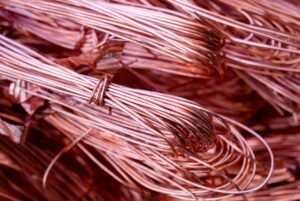
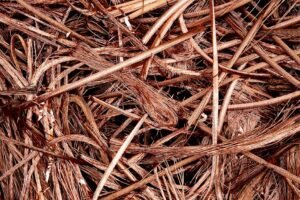
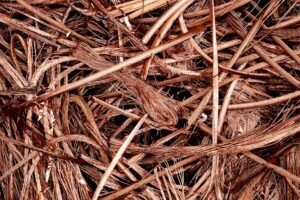
To secure the Best Scrap Metal Prices Near Me, you must maintain clean scrap. This means removing rubber insulation from copper wire, separating brass fittings from aluminum housings, and ensuring that steel components are free of concrete or excessive rust. Recyclers reward purity. If you are regularly dealing with large quantities, consider investing in basic sorting tools, such as a magnet for ferrous identification and a file for checking the base metal underneath plating. By providing clean, sorted loads, you significantly reduce the labor costs for the recycler, which is often reflected in the premium paid for your material.
The Environmental Impact of Professional Recycling
The environmental case for utilizing hastings scrap metal recyclers is compelling. Mining and refining virgin metals is an incredibly resource-intensive process that leaves massive ecological footprints, including deforestation, water pollution, and high carbon emissions. By diverting metal from landfills, we prevent heavy metals from leaching into the soil and groundwater. Furthermore, the energy savings generated by recycling are massive. Every ton of steel recycled saves over a ton of iron ore and hundreds of kilograms of coal. This reduction in energy demand directly translates to a lower carbon footprint for the entire manufacturing sector.
Beyond energy, recycling promotes resource security. Australia has vast mineral wealth, but finite reserves. By keeping metals in circulation, we reduce the need for new mining operations and preserve landscapes for future generations. When you choose a reputable recycler, you are also ensuring that hazardous materials—such as lead-acid batteries, mercury-containing switches, or radioactive materials sometimes found in industrial scrap—are handled with the necessary safety protocols. This prevents toxic substances from entering the environment and ensures compliance with state and federal environmental laws. The cumulative effect of these individual recycling efforts is a more resilient, sustainable, and circular economy that benefits both the community and the planet.
Advanced Strategies for Industrial Scrap Management
For businesses generating significant scrap volumes, the relationship with hastings scrap metal recyclers should be viewed as a strategic partnership rather than a one-off transaction. Implementing an effective on-site scrap management program starts with training staff to identify and separate metals at the point of generation. By color-coding bins for different metals—copper, brass, stainless steel, and mild steel—you eliminate the need for secondary sorting at the recycling facility. This level of organization not only increases your payout but also streamlines your site operations, reducing the risk of workplace injuries associated with handling heavy, unorganized scrap piles.
Moreover, consider the timing of your sales. Metal prices are volatile and influenced by global demand, particularly from manufacturing hubs in Asia and Europe. Monitoring market trends allows you to hold inventory during market dips and sell during spikes. Many professional recyclers are willing to work with regular clients to provide market insights and hedge against price volatility. By integrating your scrap management into your broader supply chain strategy, you can turn a waste stream into a predictable revenue source. Remember to prioritize safety above all else; always use proper PPE when handling sharp metal edges, and ensure that any equipment being scrapped has been properly decommissioned, depressurized, and drained of all fluids.
Future Trends in the Australian Scrap Industry
The future of hastings scrap metal recyclers is being shaped by digitalization and increased regulation. We are seeing a shift toward more transparent, data-driven recycling platforms that provide real-time tracking of scrap movements. This technological shift is helping to combat illegal dumping and ensuring that the entire supply chain remains traceable. As Australia moves toward more stringent ‘product stewardship’ schemes, businesses will be increasingly responsible for the end-of-life disposal of the products they manufacture or import. This will likely lead to more collaborative models where recyclers, manufacturers, and local governments work together to optimize the recovery of critical minerals and rare earth metals.
Additionally, the focus on ‘green steel’—steel produced using renewable energy—is driving demand for high-quality recycled scrap. As manufacturers aim to lower their Scope 3 emissions, they are prioritizing suppliers who can provide clean, high-grade recycled inputs. This is creating a premium market for high-purity scrap, further incentivizing the meticulous sorting practices discussed earlier. Whether you are a hobbyist recycler or a large-scale industrial operator, staying informed about these trends will position you to benefit from the evolving value of scrap metal. By engaging with industry leaders and utilizing the resources available through platforms like Scrap Trade, you can ensure your operations remain at the forefront of this vital industry.
Frequently Asked Questions
What is the most valuable type of scrap metal to recycle?
Non-ferrous metals like copper, brass, and high-grade aluminum consistently command the highest prices due to their scarcity and energy-efficient recycling properties. Purity is the primary driver of value for these materials.
Do I need to clean my scrap metal before taking it to a recycler?
Yes, cleaning your scrap by removing non-metallic attachments like plastic, rubber, or wood significantly increases its value. Recyclers pay more for ‘clean’ loads because it reduces their labor and processing costs.
How do I know if a scrap metal recycler is reputable?
A reputable recycler will have transparent weighing procedures, clear environmental compliance certifications, and professional equipment. They should also be able to provide you with a detailed breakdown of the grades and weights of the materials you have delivered.
Is there a difference between ferrous and non-ferrous scrap?
Yes, ferrous metals contain iron and are magnetic, while non-ferrous metals do not contain iron and are generally non-magnetic. Non-ferrous metals are typically more valuable and require different processing techniques than common steel or iron.