
Hawkesbury scrap metal plays a crucial role in Australia’s circular economy, with the region’s strategic location near Sydney making it a key hub for metal recovery operations. Understanding the grades of scrap metal, the recycling process, and the environmental impact is essential for businesses and individuals looking to participate in sustainable practices. This guide provides expert insights into the types of metals traded, the technical processes involved in recycling, and the tangible benefits of metal reuse in the Hawkesbury area.
Grades of Scrap Metal in Hawkesbury
The scrap metal industry in Hawkesbury is classified into two primary categories based on material properties: ferrous and non-ferrous metals. Each category has distinct characteristics and recycling values.
Ferrous Metals
- Steel (Carbon Steel): The most common ferrous scrap, including construction rebar, automotive parts, and machinery components. Contains iron with carbon content between 0.05% and 2.1%.
- Cast Iron: Heavier and denser, often from engine blocks, cookware, and industrial equipment. Typically pays higher rates than carbon steel.
- Stainless Steel Grades: Includes 304 (18/8) and 316 stainless steel, used in food processing, marine applications, and architectural features.
Non-Ferrous Metals
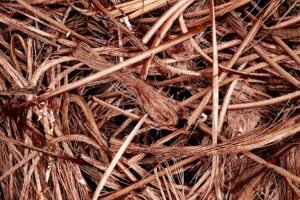
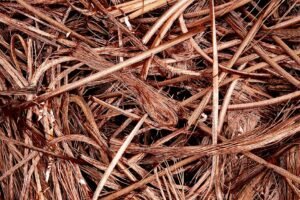
- Copper: Used in electrical wiring, HVAC systems, and plumbing. Red copper commands premium prices, while copper wire is typically higher value.
- Aluminum: Found in beverage cans, automotive parts, and construction materials. Recyclable indefinitely without losing quality.
- Brass & Bronze: Common in plumbing fixtures, musical instruments, and decorative items. Composition varies, affecting pricing.
- Lead: Often from batteries and radiation shielding. Requires specialized handling due to toxicity.
Tip: When selling scrap metal near me, ensure proper sorting of ferrous and non-ferrous materials to maximize returns. Check scrap metal prices regularly for market fluctuations.
How Scrap Metal Recycling Works in Hawkesbury
The recycling process in Hawkesbury follows a standardized but technically complex sequence designed to maximize efficiency and safety:
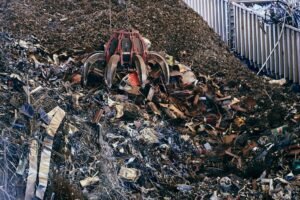
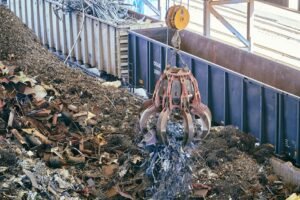
- Collection & Sorting: Scrap metal is gathered from demolition sites, manufacturing facilities, and residential sources. Automated eddy current separators and metal detectors identify non-ferrous materials.
- Shredding & Processing: Large items are broken down using hydraulic shears or shredders. Ferrous metals pass through magnetic separators, while non-ferrous materials are sorted via X-ray fluorescence (XRF) scanning.
- Purification: Contaminants like plastics, ceramics, and other metals are removed. This step is critical for producing high-purity alloys.
- Smelting & Casting: Cleaned scrap is melted in electric arc furnaces (for steel) or induction furnaces (for non-ferrous metals). The molten metal is then cast into ingots or billets for reuse.
- Quality Control: Final products undergo testing for composition and strength. Hawkesbury recyclers often use spectrometers to verify metal purity.
Local facilities in Hawkesbury have adopted advanced technologies like AI-powered sorting systems to improve efficiency. The region’s proximity to major steel producers in New South Wales also ensures rapid processing and reduced transportation emissions.
Environmental Benefits of Scrap Metal Recycling
Recycling scrap metal in Hawkesbury contributes to multiple sustainability goals:
- Energy Savings: Recycling aluminum uses 95% less energy than producing new aluminum from bauxite ore. Steel recycling saves ~60% of energy required for virgin production.
- Resource Conservation: Each ton of recycled steel conserves 2,500 pounds of iron ore, 1,400 pounds of coal, and 120 pounds of limestone.
- Landfill Reduction: The Australian government estimates 35 million tons of construction and demolition waste enters landfills annually. Recycling diverts this waste effectively.
- Carbon Emissions: Recycling reduces CO2 emissions by 58% compared to primary metal production, according to the Australian Recycling Industry Council.
Case Study: In 2025, a Hawkesbury-based recycler processed 12,000 tons of end-of-life vehicles, recovering 85% of metal components. This effort avoided 6,800 tons of raw material extraction and reduced energy consumption by 4.2 million kWh.
Practical Tips for Scrap Metal Sellers in Hawkesbury
- Prepare Materials: Remove non-metal parts (plastics, rubber) to increase purity and fetch higher price for scrap metal.
- Document Grades: Use XRF testing devices to identify alloy compositions. Accurate classification avoids underpayment.
- Track Market Rates: Monitor scrap metal prices via platforms like Scrap Trade to time sales strategically.
- Choose Certified Recyclers: Verify recyclers’ compliance with ISO 14001 standards to ensure ethical processing.
Hawkesbury Scrap Metal Market Insights
The scrap metal market in Hawkesbury is influenced by both local and global factors:
- Seasonal Variability: Construction activity peaks in Q1-Q2, increasing demand for steel and copper scrap.
- Export Dynamics: 70% of Hawkesbury’s ferrous scrap is exported to Indian and Chinese steel mills, making international prices a key factor.
- Technology Impact: Blockchain tracking systems are being implemented to trace recycled metal through supply chains, adding value for environmentally conscious buyers.
For real-time pricing data, visit the metal scrap rates page. Local scrap metal recycling near me services provide pickup and processing capabilities for commercial and residential clients.
Challenges in the Hawkesbury Scrap Metal Industry
While the industry offers significant benefits, several challenges persist:
- Contamination Issues: Mixed metals and residual hazardous materials require costly separation processes.
- Regulatory Compliance: Adherence to NSW Environment Protection Authority regulations increases operational costs.
- Market Volatility: Prices for price for scrap metal can fluctuate by 20% monthly due to global demand shifts.
- Logistical Constraints: Transporting heavy scrap to processing centers in Sydney increases carbon footprint if not optimized.
Innovation in Hawkesbury Metal Recycling
Leading recyclers in Hawkesbury are adopting cutting-edge solutions to address these challenges:
- AI Sorting Systems: Machine learning algorithms identify metal types with 99.3% accuracy, outperforming manual sorting.
- Solar-Powered Shredders: Some facilities now use renewable energy for processing, reducing their carbon intensity by 40%.
- Circular Economy Partnerships: Collaborations with manufacturers like Scrap Trade Australia create closed-loop systems where recycled metals are directly reintegrated into production.
The integration of Internet of Things (IoT) sensors in collection vehicles optimizes routing, saving an average of 15% in fuel costs while increasing collection efficiency.
Community Engagement and Education
Hawkesbury municipalities are promoting scrap metal recycling through:
- Public Workshops: Teaching residents how to safely separate and prepare scrap materials.
- School Programs: Partnering with local schools to educate students on the importance of metal recycling.
- Business Incentives: Offering tax credits to companies that achieve specific recycling targets.
These initiatives have increased household participation in scrap collection programs by 22% since 2023, demonstrating the power of community-focused approaches.
Future Outlook for Hawkesbury Scrap Metal
With Australia’s commitment to achieving net-zero emissions by 2050, the hawkesbury scrap metal sector is poised for growth. Key trends include:
- Increased Demand for E-Scrap: As electric vehicle adoption rises, lithium batteries and copper wiring from old EVs will become valuable scrap resources.
- Green Steel Production: Local mills are investing in green hydrogen-based steelmaking, which requires high-purity recycled metals as feedstock.
- Smart Recycling Infrastructure: Development of urban mining centers to recover metals from construction and demolition waste streams.
Investing in scrap metal recycling infrastructure in Hawkesbury aligns with both environmental and economic priorities, supporting job creation while reducing the region’s ecological footprint.
Frequently Asked Questions
What are the main grades of hawkesbury scrap metal?
Hawkesbury scrap metal is categorized into ferrous (iron-based) and non-ferrous metals. Ferrous includes steel and cast iron, while non-ferrous includes copper, aluminum, brass, and lead. Each has distinct recycling values and uses.
How can I find scrap metal recycling near me in Hawkesbury?
Use online directories like Scrap Metal Recycling Near Me to locate certified recyclers in Hawkesbury. Always verify the facility’s accreditation and sorting capabilities before dropping off materials.
What are the environmental benefits of recycling scrap metal in Hawkesbury?
Recycling reduces energy consumption by 50-75% compared to primary metal production, cuts CO2 emissions by 58%, and conserves natural resources like iron ore and bauxite. It also prevents 80% of metal waste from entering landfills.
How do I get the best price for scrap metal in Hawkesbury?
Sort materials by grade, remove contaminants, and time sales during high-demand periods. Monitor scrap metal prices and consider selling to multiple recyclers to compare offers.