
Navigating the complex world of highett metals requires more than just a truck and a pile of scrap; it demands a strategic approach to sorting, timing, and understanding global commodity markets. As Melbourne’s industrial landscape shifts, the demand for efficient scrap metal recovery has never been higher, making local expertise in highett metals vital for contractors, tradespeople, and households alike. Whether you are clearing a commercial site or cleaning out a garage, knowing how to maximize the value of your scrap is the difference between a wasted trip and a profitable venture. This guide serves as your authoritative resource for everything related to metal recycling, ensuring you get the best return on your materials.
Understanding the Highett Metals Market Landscape
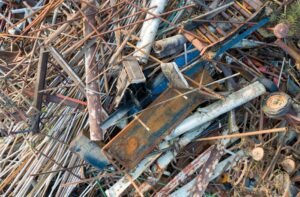
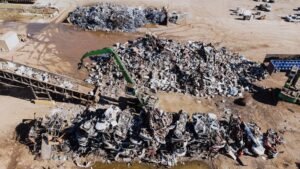
The scrap metal industry in Highett operates as a critical node in the broader Victorian recycling infrastructure. Industrial hubs in the Bayside and Kingston council areas generate significant volumes of copper, aluminium, brass, and steel, which are then processed by specialized facilities. Understanding the local market dynamics is essential for anyone looking to enter the trade. You must first recognize that scrap metal is a global commodity; prices fluctuate daily based on the London Metal Exchange (LME) and local currency strength. When dealing with highett metals, it is important to distinguish between ferrous and non-ferrous materials. Ferrous metals, such as steel and iron, are generally lower in value but higher in volume, while non-ferrous metals like copper, lead, and stainless steel command a premium price due to their scarcity and infinite recyclability.
To succeed in this market, you must treat your scrap collection like a business. This means investing time in proper segregation. Mixing copper with steel or aluminium with brass creates contaminated loads that significantly reduce the price you receive at the weighbridge. Professional recyclers in the area prioritize clean, sorted loads because they save time in processing. For those looking to master this process, our comprehensive resource on I Buy Scrap How To Sell Your Scrap Metals Efficiently provides the tactical steps required to refine your collection methods and increase your margins.
Strategic Sorting: Maximizing Your Scrap Value
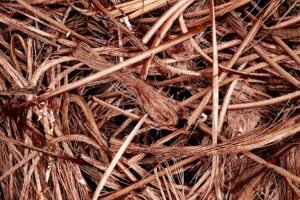
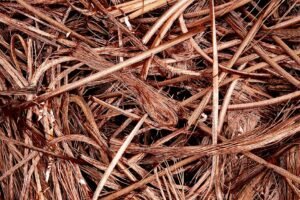
The secret to high-value scrap recycling lies in the preparation. Many novice sellers fail to understand that the effort you put into cleaning your scrap is directly proportional to your profit. For instance, copper wire stripped of its plastic insulation is worth significantly more than unstripped wire. Similarly, removing non-metallic attachments from aluminium extrusions—such as plastic clips, rubber seals, or steel screws—transforms a ‘mixed’ grade into a ‘clean’ grade, which can result in a 20-30% price premium. This is a standard practice in the industry, and local yards will always reward those who present high-quality, pre-sorted materials.
Beyond basic cleaning, you need to understand the grading systems. Metals are categorized by their purity and composition. For example, ‘Bright and Shiny’ copper is the highest grade, while ‘Burnt’ or ‘Insulated’ copper falls into lower tiers. By learning these grades, you can identify which items in your scrap pile are worth the extra effort to process. For a deep dive into how these grades work and how they influence the bottom line, refer to our Scrap Metals Guide: Grades, Recycling & Environmental Impact. This guide covers the environmental benefits of recycling, which is a significant factor in the modern ESG-focused Australian construction sector.
Pricing Dynamics and Market Timing
Pricing is the most frequently asked question in the scrap industry. It is vital to understand that there is no single ‘flat rate’ for scrap metal. Prices are influenced by supply chain logistics, the cost of transport, and the current demand from international smelters in Asia and Europe. If you are looking for current benchmarks, it is essential to stay informed about Metal Prices Per Kg How To Sell Scrap Metals Profitably. By monitoring these trends, you can decide when to hold onto your stock and when to sell. For example, if copper prices are dipping due to global manufacturing slowdowns, it might be more profitable to store your high-grade copper until the market corrects.
Furthermore, volume matters. Large-scale industrial suppliers often receive better rates than individual traders because they offer consistent supply and higher quality control. If you are a small operator, consider pooling your resources with other tradespeople to reach ‘commercial volume’ thresholds. This strategy is highly effective in the Highett area, where many small-to-medium enterprises operate in close proximity. Always ensure you are working with reputable dealers who provide transparent weighing and grading processes. For a reliable partner, you can check out Gordons Scrap Your Trusted Source For Selling Scrap Metals, which exemplifies the standards required for professional scrap trading.
Safety, Compliance, and Environmental Responsibility
Operating within the scrap metal industry requires strict adherence to safety and environmental regulations. In Victoria, the Environment Protection Authority (EPA) sets clear guidelines on how scrap metal must be stored, handled, and transported to prevent soil and water contamination. This is particularly important for items like lead-acid batteries, which contain hazardous chemicals, and old air conditioning units, which may contain ozone-depleting refrigerants. When dealing with these materials, you must ensure they are handled by licensed facilities that have the equipment to safely extract and recycle these harmful components.
Safety is not just about environmental compliance; it is about protecting yourself and your team. Scrap metal is sharp, heavy, and often unstable. Always wear appropriate personal protective equipment (PPE), including heavy-duty gloves, steel-capped boots, and high-visibility clothing. Use proper lifting techniques or mechanical aids like pallet jacks and forklifts when dealing with heavy loads. The most successful scrap traders in Australia prioritize safety as a core business value, knowing that an injury not only halts production but also incurs significant costs. For further information on industry-wide standards, visit the Scrap Trade portal for industry news, or explore the wider Australian market through Scraptrade Australia, which provides a national overview of regional recycling capabilities.
Logistics: Moving Your Scrap Efficiently
Logistics can make or break your profitability. If you are spending more on fuel and time than the value of the scrap, you are losing money. For large-scale industrial projects, the cost of skip bin hire and collection services must be factored into your scrap revenue model. Many scrap yards in the Highett area offer free or discounted bin services for regular industrial clients. This is a massive advantage for construction sites, as it keeps your site clean and compliant while streamlining the collection process.
When planning your logistics, consider the ‘turnaround time’. If you have a high volume of scrap, establish a regular pickup schedule. This prevents your site from becoming cluttered, which is a major safety hazard and can lead to site fines. Furthermore, ensure that your scrap is loaded in a way that allows the yard to unload it quickly. For example, keeping steel separate from non-ferrous metals in the bin allows for faster processing at the yard, which can sometimes lead to better service or faster payment terms. Remember that in the scrap trade, efficiency is just as valuable as the metal itself.
Future Trends in Metal Recycling
The industry is currently undergoing a digital transformation. From mobile apps that track scrap prices in real-time to advanced sensor-based sorting technologies that use X-ray fluorescence (XRF) to identify metal alloys instantly, the future of scrap trading is high-tech. As we move toward a more circular economy, the focus is shifting from simple ‘recycling’ to ‘resource recovery’. This means that even complex items like electronic waste (e-waste) are becoming valuable sources of precious metals like gold, silver, and palladium.
For those involved in the Highett metals market, staying ahead of these trends is crucial. Investing in your own sorting equipment, such as a handheld magnet or a basic XRF analyzer, can give you a significant edge. Furthermore, as government regulations on waste management become stricter, businesses that can prove their recycling credentials will be preferred partners for major construction firms. By positioning yourself as a professional, compliant, and tech-savvy scrap trader, you ensure long-term viability in a market that is only going to grow in importance as raw material extraction becomes more expensive and environmentally challenging.
Conclusion: Building a Sustainable Scrap Business
Success in the scrap metal industry is built on consistency, knowledge, and strong relationships. Whether you are a local tradie or a large industrial firm, the principles of high-quality sorting, market awareness, and safety remain the same. By treating your scrap as a valuable resource rather than waste, you contribute to a more sustainable future for Australia while maximizing your personal or business income. The Highett region offers excellent opportunities for those who are willing to put in the work to understand the nuances of the trade. Use the resources provided in this guide, stay updated on market fluctuations, and always prioritize safety and compliance. Your journey into the professional world of scrap trading starts with the commitment to excellence in every load you deliver.
Frequently Asked Questions
What is the most valuable metal I can collect in Highett?
Copper is generally the most valuable common scrap metal due to its high demand in electrical and plumbing industries. Bright and shiny copper wire fetches the highest prices, followed by clean copper pipe and brass.
How do I know if my scrap metal is clean?
Clean scrap is free from non-metallic attachments like plastic, rubber, wood, or steel screws. If you remove all foreign materials and contaminants, the recycler classifies it as clean, which earns you a higher price per kilogram.
Does the time of year affect scrap metal prices?
Yes, scrap prices fluctuate based on global demand and economic cycles rather than just the season. However, construction activity often slows during the holiday period, which can influence local supply and demand dynamics.
Do I need a license to sell scrap metal in Victoria?
While individuals can sell domestic scrap without a license, the industry is heavily regulated to prevent the trade of stolen goods. Expect to provide valid identification and potentially a vehicle registration number when selling to professional scrap yards.