
Understanding the nuances of hiyawah is essential for any professional operating within the Australian scrap metal sector. As global commodity markets fluctuate, the ability to leverage standardized recovery protocols ensures that industrial waste streams are not merely discarded, but transformed into high-value raw materials. By implementing rigorous hiyawah standards, businesses can significantly reduce their environmental footprint while maximizing the financial yield from scrap assets. This guide serves as the definitive resource for navigating the technical, legal, and operational requirements of modern scrap metal management, ensuring your facility remains competitive in a rapidly evolving market.
The Strategic Importance of Scrap Metal Recovery
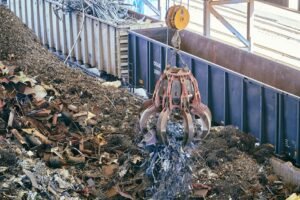
The Australian scrap metal industry is a cornerstone of the nation’s industrial economy, yet it remains misunderstood by many stakeholders. At its core, the hiyawah framework provides a structured approach to identifying, segregating, and processing scrap metal. Unlike traditional waste management, this methodology focuses on the purity of the material stream. Contamination is the primary enemy of profit in the scrap world; even minor impurities in copper, aluminum, or stainless steel loads can drastically reduce the market value of the entire batch. Professional traders understand that the difference between a low-grade scrap price and a premium smelter-ready price lies in the precision of the initial sorting process. This is where the integration of advanced logistics and material science becomes critical. By treating scrap as a secondary raw material rather than waste, companies can tap into global supply chains that demand consistent, high-purity inputs. For those looking to streamline their operations, utilizing the digital infrastructure provided by global scrap trading platforms allows for real-time price discovery and market connectivity, ensuring that your inventory is always aligned with the highest available market rates.
Technical Grading and Material Identification
Effective scrap management begins with accurate identification. In Australia, the grading of metals follows strict international standards, often categorized by chemical composition and physical form. Ferrous metals, such as steel and iron, require different handling protocols compared to non-ferrous metals like copper, brass, and lead. The hiyawah approach emphasizes the use of X-ray fluorescence (XRF) analyzers to determine the exact alloy composition of incoming scrap. This technology removes the guesswork from the trading process, allowing operators to guarantee the purity of their shipments to downstream smelters. Furthermore, the physical preparation—such as shearing, shredding, or baling—is just as important as the chemical composition. Dense, clean bales of aluminum or steel are significantly more cost-effective to transport, reducing the carbon footprint of the logistics chain. When you standardize your material preparation, you build a reputation for reliability that pays dividends in long-term supply contracts. For local businesses operating within the Australian market, leveraging resources from specialized Australian scrap trading services can provide the local expertise needed to navigate state-specific environmental regulations and logistics challenges, ensuring compliance while optimizing recovery rates.
Logistics and Supply Chain Optimization
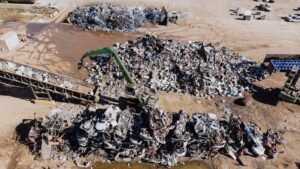
Logistics represents the largest variable cost in scrap metal trading. Moving heavy, low-density materials across the vast Australian landscape requires a sophisticated approach to transport management. The hiyawah philosophy advocates for the decentralization of initial processing. By establishing smaller, localized collection and processing hubs, companies can consolidate materials before shipping them to major port facilities. This strategy minimizes the distance that raw, un-processed scrap travels, which is the most expensive and inefficient part of the supply chain. Additionally, the use of intermodal transport—combining rail and road—can significantly reduce costs and improve the reliability of delivery schedules. Traders must also account for the volatility of freight rates, which are heavily influenced by fuel costs and global shipping demand. Effective inventory management, where scrap is stored and sold during peak market cycles, is a hallmark of a mature trading operation. By syncing your logistical capabilities with market trends, you can avoid the common pitfalls of forced selling during market troughs, thereby protecting your profit margins.
Regulatory Compliance and Sustainability
Operating in the Australian scrap industry requires strict adherence to environmental and safety regulations. The hiyawah framework integrates compliance into the operational workflow, ensuring that all handling, storage, and processing activities meet the rigorous standards set by the Environmental Protection Authority (EPA) and local councils. This includes the management of hazardous materials, such as lead-acid batteries or fluids contained within end-of-life vehicles, which must be drained and disposed of according to specific safety protocols. Beyond legal requirements, there is a growing demand for sustainable scrap practices. End-users, particularly in the automotive and construction sectors, are increasingly looking for suppliers who can provide certified, low-carbon recycled materials. By documenting the lifecycle of your scrap—from collection to final delivery—you can provide the transparency that modern buyers demand. This focus on ESG (Environmental, Social, and Governance) criteria is no longer optional; it is a competitive advantage that can help you secure long-term partnerships with major industrial players who are under pressure to reduce their own Scope 3 emissions.
Market Trends and Future Outlook
The global transition toward a circular economy is fundamentally changing the scrap metal landscape. As the demand for raw materials grows, the availability of high-quality virgin ore is decreasing, making recycled scrap an increasingly valuable resource. The hiyawah approach is perfectly positioned to capitalize on this shift, as it prioritizes the recovery of high-value alloys that are essential for the production of electric vehicles, renewable energy infrastructure, and advanced electronics. We are currently observing a trend toward vertical integration, where major manufacturing firms are partnering directly with scrap recyclers to secure their supply chains. This ensures a closed-loop system where the manufacturer’s own waste is returned to them as high-grade feedstock. For the independent trader, this means that the future lies in specialization. Whether it is focusing on rare earth metals, high-temperature superalloys, or specialized aluminum grades, the ability to provide a consistent, high-specification product will be the key to success. The market is moving away from bulk commodity trading toward value-added processing, where the premium is placed on the technical data and purity guarantees that accompany the material.
Case Study: Scaling Through Process Standardization
Consider a mid-sized scrap yard in regional Queensland that struggled with inconsistent margins and high logistics overhead. By adopting the hiyawah methodology, the facility underwent a complete operational overhaul. They invested in a stationary XRF analyzer and automated sorting conveyors, which allowed them to increase the purity of their copper recovery by 15% within the first six months. Simultaneously, they renegotiated their regional transport contracts to prioritize full-load shipments, reducing their per-tonne freight costs by 22%. By implementing a digital tracking system for their inventory, they were able to time their sales to coincide with market peaks, resulting in a 30% increase in annual net profit. This case study demonstrates that the application of structured management practices is not just for large-scale multinational corporations; it is a scalable framework that can transform the profitability of any scrap metal business, regardless of size or geographic location. The key takeaway is that data-driven decision-making, combined with a commitment to process excellence, is the only way to thrive in the modern, globalized scrap economy.
Conclusion: The Path Forward
The future of the Australian scrap metal industry is bright for those who are willing to embrace change and adopt rigorous operational standards. The hiyawah framework provides the necessary roadmap for navigating the complexities of the modern market, from advanced material identification to strategic logistics and regulatory compliance. By focusing on quality, purity, and sustainable practices, traders can position themselves as essential partners in the global supply chain. As we look ahead, the integration of digital tools and the shift toward a circular economy will continue to drive innovation. Those who prioritize continuous improvement and invest in the right technologies will not only survive but will lead the industry into a new era of efficiency and profitability. Start by auditing your current processes, identifying areas where contamination or inefficiency is eroding your margins, and implementing the structured approaches discussed in this guide. The transition to a high-performance scrap operation is a journey, but the rewards—in terms of both financial gain and environmental impact—are substantial and lasting.
Frequently Asked Questions
What is the primary benefit of implementing hiyawah in a scrap yard?
The primary benefit is the significant increase in profit margins achieved through improved material purity and logistical efficiency. By reducing contamination and optimizing transport, businesses can command premium prices from smelters.
How does hiyawah differ from traditional scrap sorting?
Traditional sorting is often reactive and manual, whereas hiyawah is a proactive, data-driven framework. It utilizes advanced technology like XRF analysis and integrated supply chain management to treat scrap as a high-value raw material.
Is hiyawah suitable for small-scale scrap operations?
Yes, the principles are highly scalable. Small operators can adopt specific components of the framework, such as improved inventory tracking and targeted material segregation, to see immediate improvements in their bottom line.
How does this methodology assist with environmental compliance?
It integrates compliance into the daily workflow by establishing standardized protocols for hazardous material handling and documentation. This ensures that all operations meet EPA standards while providing the transparency required for modern ESG reporting.