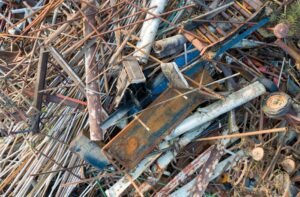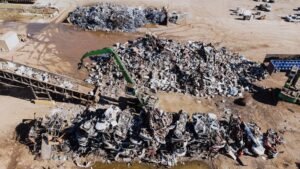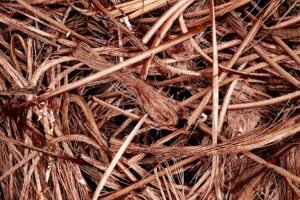

Hornsby metal recycling is more than a side-of-the-road scrap yard—it is a regulated commodity hub feeding Australian steel mills, aluminium smelters and global copper refineries. Whether you are a plumber with off-cuts, an electrician stripping data cable, or a facilities manager decommissioning an entire factory, understanding how the local market works can turn waste into thousands of dollars. This pillar guide walks you through every angle: legal obligations, accepted materials, price drivers, preparation techniques, and where to find the best-paying yard.
1. Why Hornsby Metal Recycling Matters for Sydney’s Circular Economy
Hornsby Shire generates roughly 14 000 t of scrap metal annually—enough to build 2 500 cars. Diverting this material away from landfill recovers 6.5 GWh of embodied energy, the equivalent of powering 1 800 homes for a year. Local recyclers feed directly into the Core Metal Recycling network, which supplies Port Kembla steelworks and Tomago aluminium smelter. Every tonne recycled locally reduces road freight emissions by 110 kg compared with hauling scrap to interstate yards.
From a business perspective, scrap is an income line. Construction contractors who segregate stainless from mild steel routinely offset site waste levies by 30–40%. Homeowners cleaning up a shed or replacing Colourbond roofing can recoup labour costs within hours. In short, hornsby metal recycling is a profit centre hiding in plain sight.
2. Navigating NSW Regulations and Environmental Compliance
Before you load up a trailer, know the rules. The Protection of the Environment Operations Act 1997 (POEO) requires all NSW scrap facilities to hold an environment protection licence if they receive more than 2 000 t per year. Most metal recycling hornsby depots exceed this threshold, so always check the EPA public register. Vehicles delivering scrap must carry a Waste Transport Certificate if the load contains commercial waste—fines start at $2 000 for non-compliance.
Cash payments were banned in 2018. Legitimate yards pay via EFT, cheque, or prepaid Visa debit. You will need government-issued photo ID and, for copper or catalytic converters, proof of ownership such as a plumber’s licence or vehicle registration. Scrap yards are obliged to tag and hold copper for 48 h, so do not expect instant payment on high-value non-ferrous loads.
Fire and noise controls also apply. Stockpiles of shredded scrap must be kept below 3 m height within 5 m of a boundary fence, and guillotine shears cannot operate outside approved hours (usually 7 am–6 pm weekdays). If you are planning a clean-up demolition, ring the yard first; they will assign a compliance officer to advise on how to separate asbestos-containing materials.
3. What You Can (and Cannot) Recycle in Hornsby
Accepted materials vary slightly by site, but the following list covers the vast majority of scrap metal recycling hornsby facilities:
- Ferrous: Mild steel rebar, RSJs, Colorbond roofing, car bodies, whitegoods, cast iron bath tubs, farm discs, shredded < 6 mm steel.
- Non-ferrous: Copper tube and wire, PVC burned or clean, aluminium window extrusion, 6063 extrusion, 6061 plate, brass valves, gunmetal taps, lead sheeting, zinc anodes, nickel-cadmium batteries (drum-muster), stainless 304 and 316.
- E-waste: Desktop towers, servers, laptops, copper-yoke TVs, power boards with gold fingers, alternators, starter motors.
- Speciality: Titanium medical off-cuts, inconel turbine blades, silver-plated cutlery, catalytic converters (auto-cats) with serial numbers.
Prohibited items include gas cylinders (unless stamped “de-valved”), asbestos roofing, radioactive gauges, lithium-ion battery packs, and anything containing refrigerant gas. Paint cans must be triple-rinsed and dried; otherwise they attract a $60 per drum contamination fee.
Tip: Remove plastic handles from aluminium saucepans. The thermal recovery plant will downgrade the entire briquette to “irony aluminium” if steel content exceeds 3%—a 15 ¢/kg penalty.
4. Finding the Best Yard: Location, Weighbridge Accuracy, and Customer Service
Hornsby Shire sits on Sydney’s upper north shore, but only three facilities within a 12 km radius have EPA licences and certified 20 m weighbridges. Use the interactive map on Scrap Metal Recycling Near Me to compare real-time prices, opening hours, and whether the yard offers pickup with a 12 m hook-lift bin. When evaluating a site, ask four questions:
- Is the weighbridge certified by the National Measurement Institute? Look for the NMI triangle logo; accuracy must be ±0.2%.
- Does the yard have an on-site scrap handler (excavator with shear) or do they outsource? Facilities that process in-house pay 5–10 ¢/kg more because they skip the middleman.
- What is the minimum payable weight? Some yards refuse loads under 100 kg; others charge a $40 processing fee.
- Do they supply scrap bins for commercial accounts? Free bin drop-offs and same-day pickup reduce your labour cost dramatically.
The Hornsby facility at 10-12 Old Berowra Rd (off the Pacific Hwy) meets all four criteria and offers drive-through unloading, a feature handy after rain when mud can add tare weight. Their public Wi-Fi lets you watch live weighbridge readings on your phone—no surprises.
5. Current Scrap Prices and How to Negotiate a Premium
Scrap prices fluctuate with LME, currency, and domestic mill demand. As of June 2024, median yard prices in Hornsby are:
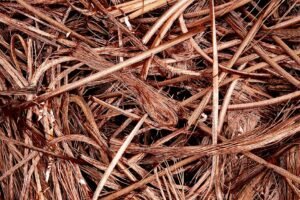
- Clean copper wire (bare bright): $11.40–$11.90/kg
- Mixed copper tube: $9.80–$10.20/kg
- 6063 aluminium extrusion: $2.35–$2.55/kg
- Stainless 316 solids: $2.80–$3.10/kg
- Mild steel shred: $330–$360/t
- Car body (complete): $220–$250/t
To maximise returns, separate alloys. A single piece of 304 stainless in a 316 drum can downgrade the entire drum to “mixed stainless” and cost you $1.20/kg. Cut brass fittings off copper tube; brass is paid at $6.20/kg whereas mixed Cu/Brass is downgraded to $5.40/kg. Store non-ferrous in a dry cage—wet copper is classed as “cupone” and incurs a 20 ¢/kg moisture penalty.
Timing matters. Prices soften in January when construction slows and strengthen in September ahead of the new housing boom. If you can warehouse material, hold up to two months; beyond that, interest on working capital outweighs price upside. Sign up for the free SMS alerts via Scrap.Trade daily market bulletin to lock in spot pricing before delivery.
6. Tools and Preparation: Cut, Clean, Cash
Invest in a $99 1 000 W reciprocating saw with bimetal blade; it pays for itself after one copper hot-water cylinder. Remove brass tap ware and sell separately. For aluminium window frames, knock out the steel screws with a punch—the extra five minutes lifts the grade from “irony” to “6063 clean” and adds 35 ¢/kg.
Stripping data cable? Use a ScrapTrade.com.au automatic wire stripper ($149) that handles 6–80 mm diameter. Hand-stripping 100 kg of 25 mm² building wire takes four hours; the machine does it in 25 minutes and the upgraded “bare bright” premium nets an extra $210 on that load alone.
Always keep a digital scale in your ute. If the weighbridge mass is >2% different from your tally, ask for a re-weigh. Mistakes—often in tare entry—are common during 4 pm shift change.
7. Commercial Services: Bins, Demolition, and Compliance Reporting
Builders doing multi-storey projects can book 6 m, 12 m or 31 m hook bins. Prices include rental, haulage, and tonnage, starting at $990 for a 12 m steel-only bin. Segregated bins yield higher rebates: a 12 m bin of clean rebar returns $28/t, whereas mixed C&D with timber and plaster is charged out at $180/t. Hornsby Council’s new 2024 resource recovery strategy mandates 80% diversion from landfill on projects >$5 million; using a dedicated metal bin is the simplest path to compliance.
Demolition contractors can request a “cut and weigh” service. A mobile shear will process on-site, load direct to B-double, and issue an EPA-compliant weight docket within two hours. This removes double handling and reduces labour by 30%. One Hornsby high-rise knock-down last year salvaged 1 200 t of steel, 42 t of copper, and 18 t of aluminium, returning $1.05 million in scrap credits—enough to offset 40% of total demolition cost.
8. Common Mistakes That Cost You Money
Even seasoned traders trip up. Avoid these pitfalls:
- Leaving wood in aluminium window frames. One 100 g piece of pine equals downgrade to “irony” and a $45 loss on a 30 kg window.
- Using oxy torches on copper. Over-heating creates black oxide that must be shaved, costing 50 ¢/kg in yield.
- Failing to photograph serial numbers. Police can confiscate suspected stolen copper. A dated photo plus your plumber licence satisfies due diligence.
- Ignoring currency swings. AUD dropped 6% versus USD in April 2024; local yards lifted prices 8 ¢/kg on aluminium the next day. Hold if AUD is trending lower.
9. Community Resources and Safe Disposal of Problematic Items
Hornsby Shire Council runs a free household chemical drop-off at the Community Recycling Centre, 29 Sefton Rd. Take paints, pesticides, and batteries there; never mix them with scrap metal. For lithium-ion batteries (power tools, phones), tape terminals and place in the bright orange bins at the same site. Council partners with Metal Recycling Near Me to host bi-monthly e-waste days—keep an eye on the council website for the next collection.
10. Future Trends: EVs, Solar Panels, and Battery Recycling
Electric vehicle adoption in northern Sydney is growing 28% year on year. Each Tesla Model 3 contains 55 kg of copper in the stator winding alone. Hornsby metal recycling yards are installing lithium battery discharge stations and training staff in HV dismantling. Expect dedicated EV drop-off bays by 2025. Similarly, end-of-life solar panels contain 1.5 kg of aluminium framing and 400 g of copper ribbon per 300 W panel. Specialized glass separation lines are being trialled in Eastern Creek; expect a downstream yard in Hornsby by 2026.
Conclusion: Your Next Step
Hornsby metal recycling is not a dump-and-run activity—it is a disciplined commodity trade. Separate your alloys, know the law, and partner with a yard that offers transparent pricing, NMI-certified scales, and digital payments. Whether you are a weekend scrapper or a national demolition firm, the above framework will maximise cash return while keeping you compliant. Book a bin, fire up the reciprocating saw, and turn that pile of “junk” into real money today.
Frequently Asked Questions
Do I need ID to sell scrap metal in Hornsby?
Yes. NSW law requires photo ID for every transaction. Commercial sellers need a licence or ABN for copper loads over 5 kg.
Can I get cash on the spot?
No. Since 2018 all NSW yards must pay via EFT, cheque, or debit card within 24 hours for ferrous and 48 hours for copper.
What is the minimum weight a Hornsby yard will accept?
Most sites pay from 100 kg upwards; under that a $40 processing fee applies. Call ahead to confirm.
How often do scrap prices change?
Major yards update prices twice daily based on LME and FX. Sign up for SMS alerts to lock in favourable rates before delivery.