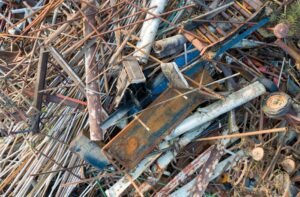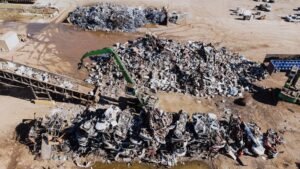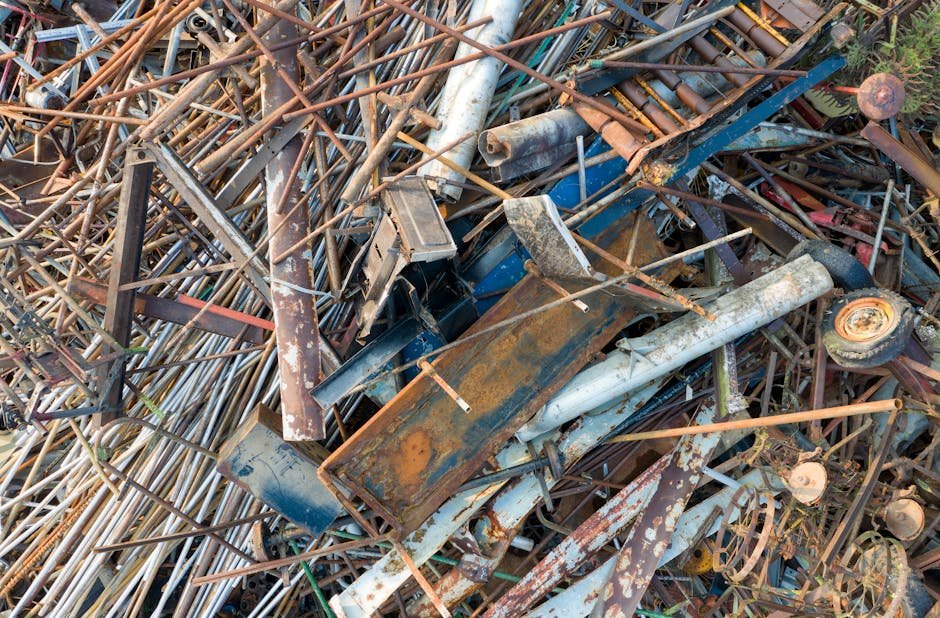

The phrase “household scrap buyers near me” is one of the most commonly searched queries by Australians looking to responsibly dispose of and monetize unwanted metal items from their homes. Whether it’s old wiring, unused appliances, construction offcuts, or obsolete electronics, there is growing value in recycling household scrap metal. This comprehensive guide dives deep into how to locate verified, trustworthy buyers in your vicinity, understand scrap metal pricing, identify different grades, and ensure you’re getting the best return while contributing to environmental sustainability. We’ll cover everything from finding the closest dealer to knowing what documentation or preparation is required before you sell.
Why Household Scrap Recycling Matters in Australia
Recycling household scrap metal is more than just a way to earn extra cash—it’s a critical component of Australia’s sustainable resource management strategy. The country generates over 50 million tonnes of waste annually, with metals representing a significant, recoverable portion. According to the Australian Bureau of Statistics, over 70% of steel and 90% of aluminium used in manufacturing comes from recycled sources. This reduces energy consumption, lowers greenhouse gas emissions, and conserves raw materials.
Household scrap—such as copper wiring, aluminium drink cans, steel appliances, and mixed metals from renovations—can be processed and reintroduced into industrial supply chains. By selling your scrap to trusted dealers through verified local scrap yard networks, you’re not only cleaning out your garage but also supporting circular economy principles. Recycling one tonne of steel saves 1,100 kg of iron ore, 630 kg of coal, and 55 kg of limestone, while cutting CO₂ emissions by 80% compared to virgin production.
Moreover, the rise in commodity prices—especially for base and non-ferrous metals—has made recycling more financially viable than ever. This has led to increased demand for clean, sorted scrap, driving the expansion of nearby recycler facilities across urban and regional areas. As a result, finding reliable household scrap buyers near me has become easier, but due diligence is essential to avoid scams and ensure fair pricing.
Where to Find Household Scrap Buyers Near Me
Australians searching for “household scrap buyers near me” have several effective ways to locate reputable buyers. The first and most direct method is using online search engines with location-specific keywords. Typing phrases like “scrap metal buyer in Sydney,” “recycling centre near Brisbane,” or “copper scrap buyers Melbourne” will yield results for local scrap yard operators in your region.
Many councils and waste management authorities also maintain lists of licensed recyclers. For example, Sustainability Victoria and NSW Environment & Heritage provide directories of approved metal recyclers who comply with environmental and safety regulations. These listings often include operating hours, accepted materials, and whether the facility offers weighbridge services and on-the-spot payments.
Another valuable option is national scrap trading platforms such as Scrap.Trade, which connects individuals and small businesses with vetted metal buyer networks across Australia. The platform allows users to post scrap listings, compare offers, and contact the closest dealer based on real-time GPS location. It also features verified profiles, customer reviews, and up-to-date pricing indices—making it easier to identify trusted dealers in your area.
If you have large volumes or specialized materials (like industrial copper or insulated wire), consider reaching out to buyers who also serve commercial clients. Some nearby recycler facilities offer pickup services or volume-based pricing incentives, which can increase your return. Additionally, if you’re located in a remote area, exploring options to How To Find Overseas Scrap Buyers may open access to international markets, though domestic sales are typically faster and more cost-effective.
How to Identify Trusted Scrap Metal Buyers in Your Area
With the rise in scrap metal theft and unlicensed operations, it’s critical to verify any metal buyer before selling your materials. Not all local scrap yard operators are equal—some may underpay, misrepresent grades, or lack proper documentation. To ensure you’re dealing with a legitimate business, follow these best practices:
- Check for Licenses and Accreditations: Reputable scrap yards should hold an Environment Protection Authority (EPA) license, Australian Business Number (ABN), and membership in industry associations like the Australian Recyclers Association (ARA).
- Look for Transparent Weighing Processes: Trustworthy buyers use calibrated, government-certified scales and allow sellers to view the weighing process. Digital weighbridge receipts should detail weight, grade, and price per kilogram.
- Review Customer Feedback: Search Google Reviews, Facebook, and industry forums to see what others say about their experience with the closest dealer in your area.
- Ask for Documentation: A professional buyer will provide a transaction record, including your ID (often required by law for scrap sales), material type, weight, and payment amount.
One of the most effective ways to protect yourself is to How To Verify Scrap Buyers Before Selling. This guide walks you through background checks, site visits, and red flags to watch for—such as cash-only offers without receipts or refusal to show certifications.
Additionally, consider whether the buyer specializes in certain materials. For example, if you’re selling copper-rich cables, partnering with established copper scrap buyers who understand wire stripping and insulation removal can result in better pricing. Similarly, if your scrap is primarily steel or iron-based, connect with scrap iron buyers who process ferrous metals at scale.
Always avoid buyers who offer unusually high prices without inspection—this is often a sign of scams or illegal operations. Trusted dealers pay market-competitive rates based on LME (London Metal Exchange) and ASX indices, adjusted for local logistics and processing costs.
Understanding Scrap Metal Grades and Pricing
One of the most important factors affecting how much you earn from selling scrap is the grade of the material. Scrap metal is categorized into two main types: ferrous (containing iron) and non-ferrous (no iron). Non-ferrous metals generally command higher prices due to their corrosion resistance, conductivity, and reusability.
Pricing fluctuates daily based on global commodity markets, supply chain dynamics, and local demand. For instance, copper prices rose sharply during the 2021–2022 infrastructure boom, while steel prices dipped during pandemic-related manufacturing slowdowns. To get the best value, it’s essential to understand the grades and prepare your scrap accordingly.
Common Household Scrap Metal Grades
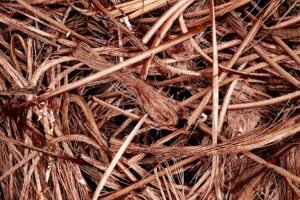
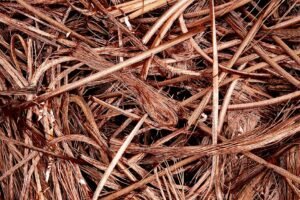
- Bare Bright Copper Wire: Clean, uncoated, and stripped copper wire. This is the highest grade of copper scrap and fetches the top market price—often over $10/kg depending on global rates.
- #1 Copper: Includes clean copper tubing and pipe with no solder, paint, or fittings. Slightly lower in value than bare bright but still highly desirable.
- #2 Copper: Contains minor impurities like brass fittings or solder. Requires cleaning to upgrade to #1 grade.
- Aluminium Cans (Clean): Beverage cans free of liquids and contamination. Typically valued between $0.40–$0.80/kg.
- Insulated Copper Wire: Wire with plastic coating. Buyers may pay less unless you’ve stripped it yourself.
- Steel and Iron: Includes white goods (fridges, washing machines), car parts, and structural steel. Ferrous metals are heavier but lower in value—usually $150–$300 per tonne.
- Mixed Non-Ferrous: A blend of aluminium, brass, and other metals. Pricing depends on composition and separation quality.
To maximize returns, sort your scrap by type and grade before visiting a local scrap yard. Removing contaminants like plastic, rubber, or wood increases the purity and market value. For example, a bundle of stripped copper wire sells for significantly more than the same weight of insulated wire.
You can track real-time scrap prices through platforms like ScrapTrade Australia, which aggregates national pricing data from verified buyers. Staying informed helps you time your sale during market peaks and avoid periods of low demand.
The Scrap Recycling Process: From Pickup to Reuse
Once you’ve sold your household scrap to a trusted dealer, it enters a highly regulated recycling supply chain. Understanding this process adds transparency and reinforces the environmental value of your contribution.
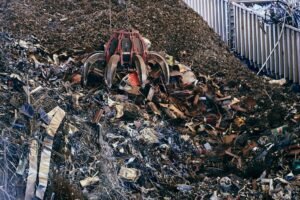
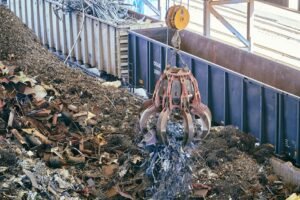
The first step is sorting and grading. At the nearby recycler facility, materials are separated using magnets (to isolate ferrous metals), eddy currents (for non-ferrous), and manual inspection. Advanced yards use X-ray fluorescence (XRF) guns to identify metal alloys with precision.
Next, the scrap undergoes processing. Metals are shredded, sheared, or crushed to reduce volume and prepare them for melting. Copper wire may be granulated to separate metal from insulation. Steel is often baled for efficient transport.
The prepared scrap is then shipped to smelters or refineries, where it’s melted down and purified. Recycled copper, for instance, retains 95% of its original properties and can be reused in electrical wiring, plumbing, and renewable energy systems. Recycled aluminium uses only 5% of the energy required for primary production.
Finally, the refined metal is sold to manufacturers producing everything from vehicles to smartphones. This closed-loop system reduces mining, lowers carbon emissions, and conserves water and energy. By participating in this cycle, every Australian who sells to household scrap buyers near me becomes part of a national sustainability effort.
Environmental and Economic Benefits of Selling Household Scrap
The environmental advantages of metal recycling are profound. Metals are among the few materials that can be recycled indefinitely without degradation in quality. When you sell your scrap to a trusted dealer, you’re directly contributing to:
- Reduced Landfill Use: Metals take centuries to decompose. Recycling keeps them out of landfill, reducing soil and water contamination.
- Lower Carbon Footprint: Producing recycled steel emits 58% less CO₂ than virgin production. Recycling one tonne of aluminium saves 14,000 kWh of energy—enough to power an average home for over a year.
- Conservation of Natural Resources: Recycling reduces the need for destructive mining operations that disrupt ecosystems and displace communities.
- Support for Green Jobs: The recycling sector employs over 50,000 Australians and contributes $10 billion annually to the economy.
On a personal level, selling household scrap can generate meaningful income. A typical household might collect 5–10 kg of copper from old electronics and plumbing, worth $50–$100 at current rates. Larger projects, such as home renovations, can yield hundreds of dollars in recyclable metals.
For those with consistent access to scrap—such as tradespeople, contractors, or DIY renovators—building relationships with trusted dealers in your area ensures reliable, long-term returns. You can also explore strategies to How To Attract International Scrap Buyers if you’re dealing with large or specialized volumes, though compliance with export regulations is essential.
Practical Tips for Maximizing Your Scrap Sale
To get the most out of your interaction with household scrap buyers near me, follow these expert tips:
- Sort Before You Sell: Separate metals by type and grade. Clean copper from dirty mixed scrap. Remove non-metal components.
- Strip Insulated Wire: Manually or mechanically remove plastic coating from copper wire to access higher-grade pricing.
- Time Your Sale: Monitor market trends. Prices often rise during periods of high construction or manufacturing activity.
- Call Ahead: Confirm what materials a local scrap yard accepts. Some facilities don’t take contaminated items or e-waste.
- Bring ID: Australian laws require scrap buyers to record seller information to deter metal theft. Carry photo ID and proof of address.
- Weigh Your Load: Use public weigh stations or home scales to estimate weight and verify the buyer’s reading.
- Compare Multiple Buyers: Don’t settle for the first offer. Visit or contact 2–3 nearby recycler facilities to compare rates and service quality.
Additionally, consider leveraging online platforms to purchase scrap in bulk if you’re a hobbyist, artist, or small manufacturer. Some buyers sell sorted, processed scrap at lower rates than raw materials, providing a cost-effective resource for creative or industrial use.
Finally, always prioritize safety. Wear gloves and eye protection when handling sharp or heavy materials. Avoid burning insulation to extract metal—it releases toxic fumes and is illegal in most jurisdictions.
Conclusion: How to Confidently Sell to Household Scrap Buyers Near Me
Finding reliable household scrap buyers near me is a smart, sustainable, and profitable decision for Australians. From old appliances to electrical wiring, the metals in your home have real value and environmental significance. By understanding scrap grades, verifying trusted dealers, and preparing your materials properly, you can secure fair pricing and contribute to a greener future.
Use tools like Scrap.Trade to locate the closest dealer, compare offers, and ensure transparency. Whether you’re selling copper, steel, or mixed metals, the process is straightforward when you know where to find and how to engage with professional recyclers.
Remember: not all buyers are equal. Take the time to How To Verify Scrap Buyers Before Selling, check their credentials, and review their practices. With the right preparation and knowledge, selling household scrap becomes a seamless part of responsible waste management and financial gain.
Frequently Asked Questions
Where can I find household scrap buyers near me?
You can locate household scrap buyers near me using online search engines, council recycling directories, or national platforms like Scrap.Trade. Enter location-based queries such as ‘scrap yard in Melbourne’ or ‘copper buyers Sydney’ to find the closest dealer in your area.
How do I know if a scrap metal buyer is trustworthy?
Verify that the buyer has an ABN, EPA license, and positive customer reviews. They should use certified scales, provide transaction receipts, and allow you to witness the weighing process. Always check credentials before selling.
What types of household items contain valuable scrap metal?
Common sources include old electronics, copper wiring, aluminium drink cans, steel appliances, plumbing fixtures, and car parts. Sorting and cleaning these items increases their scrap value significantly.
How is scrap metal priced in Australia?
Scrap metal prices are based on global commodity markets, material type, and grade. Non-ferrous metals like copper and aluminium fetch higher rates than ferrous metals like steel, with prices updated daily by trusted dealers and recycling platforms.