
Understanding how much does copper sell for is crucial for recyclers, contractors, and households looking to monetize scrap copper. In 2023, global demand for copper remains high due to its role in renewable energy infrastructure and electronics manufacturing. However, local prices fluctuate based on purity, buyer location, and market conditions. This guide breaks down current pricing trends, how to prepare copper for sale, and strategies to secure the best returns.
The Australian Copper Market: Key Drivers of Value
How much does copper sell for in Australia? The answer hinges on three core factors: global commodity prices, local supply and demand, and material quality. International benchmarks like the London Metal Exchange (LME) set base prices, but these are adjusted based on transportation costs and processing requirements. For example, when LME prices rise due to increased electric vehicle production, Australian recyclers often see a 5–10% price premium for high-purity copper.
Types of Copper and Their Market Values
Copper scrap is categorized by purity and processing needs. Here are the most common types and current price ranges (as of 2023):
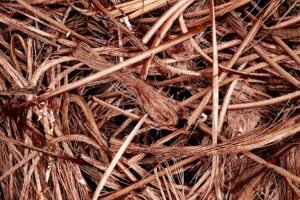
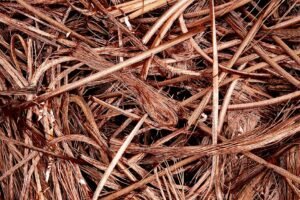
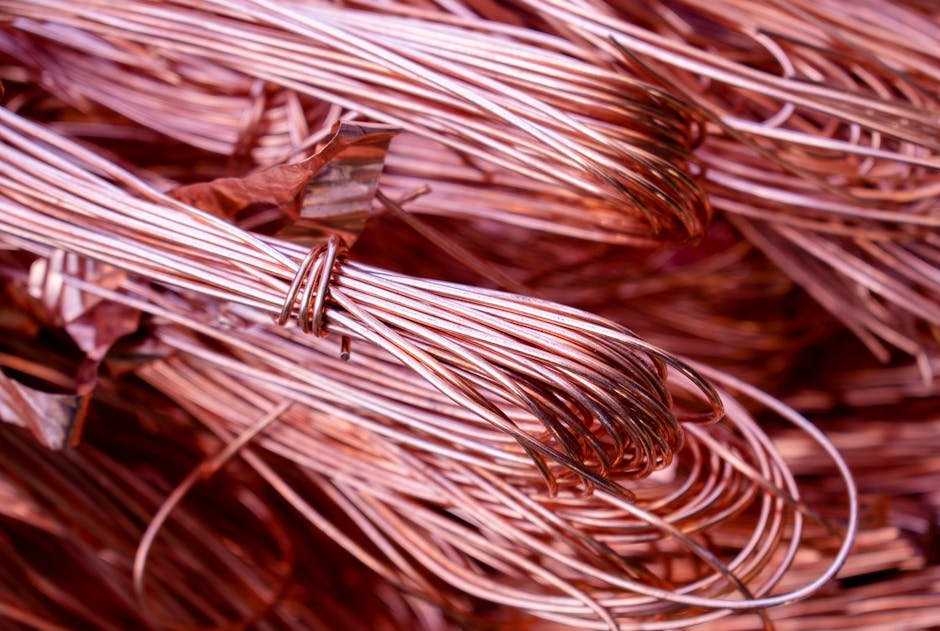
- Bare bright copper (uninsulated wire): $25–$35/kg — ideal for electrical applications
- Number 2 copper (clean, mixed copper): $10–$18/kg — includes copper wire with minimal insulation
- Copper pipe (cut into manageable lengths): $8–$20/kg — prices vary by condition
- Copper shavings (industrial byproducts): $5–$15/kg — depends on contamination levels
For specialized applications, refinery-grade copper from electronics (e.g., printed circuit boards) can fetch up to $40/kg after professional separation. Always verify with Scrap Trade for real-time quotes.
How to Prepare Copper for Maximum Value
Proper preparation increases your returns by 15–30%. Follow these steps:
- Segregate types: Separate bare bright copper from number 2 copper to avoid downgrading
- Remove impurities: Strip wires, cut pipes into 1m lengths, and eliminate non-metal components
- Use proper storage: Keep copper dry to prevent oxidation, which reduces purity
- Document weight: Weigh your load before transport; many buyers offer price per kilo
For example, a 500kg load of clean copper wire might sell for $15,000, but if contaminated with plastic, it could drop to $6,000. Learn more about copper pricing per kilogram to optimize your strategy.
Documents Required for Legal Sales
Australian regulations require documentation for copper transactions over $10,000. Essential documents include:
- Business ABN (if selling as a company)
- Scrap metal license (mandatory in some states like NSW and Victoria)
- Proof of ownership for large quantities (e.g., invoices from contractors)
- Weight certificates from certified weighbridges
Failure to provide these may result in fines or refusal of payment. Always confirm requirements with your preferred buyer.
Strategies to Secure the Best Price
1. **Compare multiple buyers**: Use online platforms like Scrap Trade to find local buyers with transparent rates.
2. **Time your sale**: Sell during construction booms (March–August) when demand peaks.
3. **Bundle with other scrap**: Mix copper with stainless steel or aluminum to attract bulk buyers.
4. **Negotiate based on weight**: Bulk quantities (500kg+) often secure discounts of 5–10%.
5. **Use certified grading**: Independent testing verifies purity, enabling higher how much does copper sell for offers.
Where to Sell Scrap Copper in Australia
Top options include:
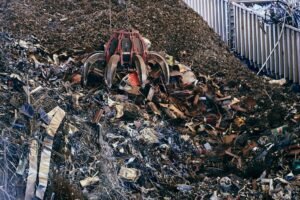
- Local scrapyards: Fast cash but lower prices (e.g., $12/kg for number 2 copper)
- Online marketplaces: Scrap Trade connects you with verified buyers
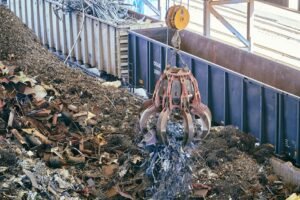
- Industrial buyers: Pay premium rates (up to $30/kg) for high-purity copper
- Export brokers: Ideal for large quantities but require paperwork
In Sydney, the cash for copper market is competitive, with prices 15% higher than regional areas due to transport costs.
Current Pricing Trends (2023)
As of Q2 2023:
- Bare bright copper: $28–$35/kg
- Number 2 copper: $14–$18/kg
- Copper pipe: $12–$20/kg (cleaned)
- Copper wire: $25–$32/kg
Prices are influenced by LME fluctuations (currently $8,500/tonne) and Australian dollar exchange rates. Scrap Trade Australia provides daily updates on market shifts.
Frequently Asked Questions
1. How do I determine the purity of my copper?
Use a magnet test (copper isn’t magnetic) and visual inspection. For precise results, get your sample tested by a certified lab like Scrap Trade.
2. What’s the best time of year to sell copper?
Sell during construction season (March–August) when infrastructure projects drive demand. Prices often peak in Q3.
3. Can I sell copper without a business license?
Yes, for small quantities (<$10,000). Larger sales require an ABN and compliance with state regulations.
4. How does contamination affect pricing?
Plastic, dirt, or mixed metals can reduce your offer by 20–50%. Always clean and sort materials before sale.
Maximizing Your Returns: Final Checklist
- Research current scrap copper prices weekly
- Prepare materials according to buyer specifications
- Compare 3–5 quotes before selling
- Use a weighbridge with certified calibration
- Negotiate based on purity, not just weight
By following this guide, you’ll secure the highest possible returns for your copper. Monitor market trends and leverage online platforms like Scrap Trade to stay ahead of competitors.
Frequently Asked Questions
How do I determine the purity of my copper?
Use a magnet test (copper isn’t magnetic) and visual inspection. For precise results, get your sample tested by a certified lab like Scrap Trade.
What’s the best time of year to sell copper?
Sell during construction season (March–August) when infrastructure projects drive demand. Prices often peak in Q3.
Can I sell copper without a business license?
Yes, for small quantities (<$10,000). Larger sales require an ABN and compliance with state regulations.
How does contamination affect pricing?
Plastic, dirt, or mixed metals can reduce your offer by 20–50%. Always clean and sort materials before sale.