
Understanding how much for metal scrap involves more than just knowing the price per kilogram. Australia’s scrap metal industry is a critical component of the circular economy, offering both financial and environmental benefits. This guide explains the grades of scrap metal, the recycling process, and how to maximize your returns when selling scrap. Whether you’re a small business or a homeowner, this article provides actionable insights to help you navigate the scrap metal market effectively.
Grades of Scrap Metal: What You Need to Know
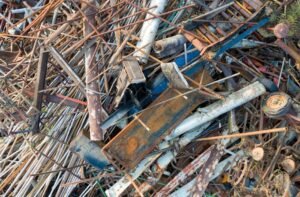
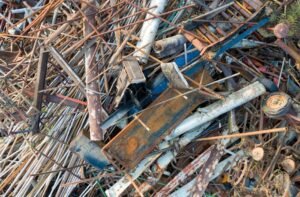
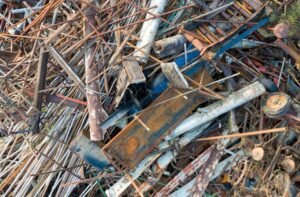
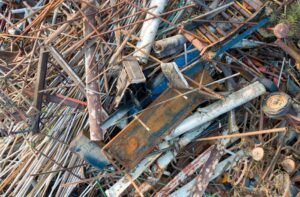
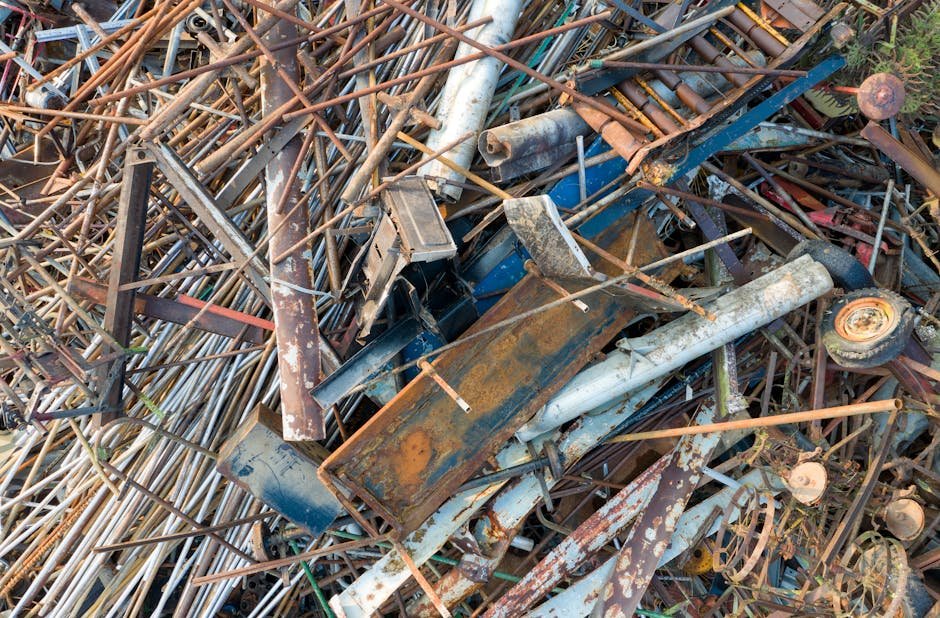
Scrap metal is categorized into two primary grades: ferrous and non-ferrous. Each grade is valued differently based on its composition and recyclability.
- Ferrous Metals: These contain iron and are magnetic. Common examples include steel, iron, and cast iron. Ferrous metals are widely used in construction and manufacturing but have lower market values due to their abundance.
- Non-Ferrous Metals: These include metals like copper, aluminium, brass, and zinc. Non-ferrous metals are non-magnetic, lightweight, and highly conductive. They command higher prices because of their versatility and demand in electronics, automotive, and aerospace industries.
For example, Rockingham scrap metal traders often pay between $0.10–$0.50 per kilogram for steel, while copper can fetch $5–$10 per kilogram depending on global commodity markets. Always confirm current scrap metal prices before selling.
How Recycling Scrap Metal Works
Recycling scrap metal is a multi-step process designed to recover raw materials efficiently. Here’s a breakdown of the key stages:
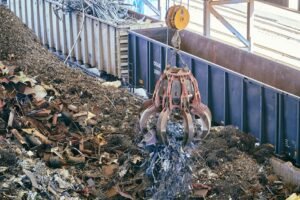
- Collection: Scrap metal is gathered from sources like demolition sites, manufacturing waste, and household items. Use services like scrap metal for pick up to streamline this process.
- Sorting: Metals are separated into ferrous and non-ferrous categories using magnets and optical sorting technology.
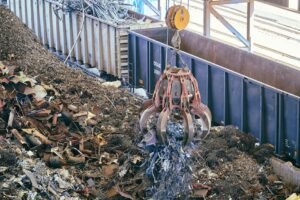
- Processing: Metals are shredded, melted, and refined to remove impurities. Ferrous metals are often smelted in blast furnaces, while non-ferrous metals require specialized techniques.
- Reprocessing: Recycled metal is transformed into new products, such as steel beams, copper wiring, or aluminium cans.
Recycling facilities like scrap metal recycling near me ensure minimal waste and maximum resource recovery, supporting Australia’s sustainability goals.
Environmental Benefits of Recycling Metal Scrap
Recycling metal significantly reduces the environmental impact of mining and manufacturing. Here’s how:
- Energy Savings: Recycling aluminium uses 95% less energy than producing new aluminium from bauxite ore.
- Reduced Mining: Recycling decreases the demand for raw materials, preserving ecosystems and reducing habitat destruction.
- Lower Carbon Emissions: Recycling steel reduces CO₂ emissions by up to 60% compared to traditional methods.
- Landfill Diversion: Scrap metal makes up 25% of all landfill waste. Recycling prevents toxic metals like lead and mercury from contaminating soil and water.
By choosing Scrap Trade or ScrapTrade, you contribute to Australia’s goal of achieving a net-zero economy by 2050.
Factors Affecting Scrap Metal Prices
The price of scrap metal fluctuates based on several factors:
- Market Demand: Prices for copper and aluminium rise during construction booms or technological advancements.
- Global Commodity Prices: International markets influence local prices. For example, a surge in Chinese demand for steel boosts Australian ferrous scrap values.
- Purity and Weight: Clean, high-grade metal fetches better prices. Contaminated or mixed metals are worth less.
- Location: Urban areas with industrial activity often pay more than rural regions.
To stay informed about how much for metal scrap in your area, use tools like Scrap Trade’s price tracker or consult local scrap metal recycling near me services.
Practical Tips for Selling Scrap Metal
Maximize your earnings by following these expert strategies:
- Sort Your Scrap: Separate ferrous and non-ferrous metals to avoid deductions for mixed loads.
- Remove Non-Metal Parts: Strip wires, coatings, and other materials to increase the purity of your metal.
- Compare Prices: Use platforms like Sell Scrap Metal Near Me In 2026 to find the best local buyers.
- Use Weigh-Scale Services: Ensure accurate pricing by confirming the weight before and after selling.
For hassle-free transactions, opt for scrap metal for pick up services, which handle collection and processing for you.
Case Study: Rockingham Scrap Metal Market
The city of Rockingham in Western Australia provides a case study in effective scrap metal recycling. Local businesses and residents generate significant quantities of ferrous and non-ferrous waste, much of which is processed by rockingham scrap metal recyclers. In 2023, Rockingham’s scrap yards reported a 15% increase in non-ferrous metal collections, driven by the region’s growing solar panel and electric vehicle industries. This trend highlights how local economic activity directly impacts how much for metal scrap in specific areas.
Future Trends in Scrap Metal Recycling
Technological advancements are transforming the industry:
- AI Sorting: Artificial intelligence improves metal categorization, reducing human error and increasing efficiency.
- Blockchain Tracking: Some platforms use blockchain to verify the origin and purity of recycled metals, enhancing transparency.
- Green Steel Initiatives: Australia is investing in hydrogen-based steel production, which relies heavily on recycled scrap to reduce emissions.
By 2026, experts predict a 20% rise in scrap metal demand as global industries prioritize sustainability. Staying ahead of these trends ensures you can capitalize on how much for metal scrap in the evolving market.
Conclusion
Determining how much for metal scrap requires understanding grades, market dynamics, and recycling processes. Whether you’re disposing of household waste or managing industrial scrap, partnering with reputable recyclers like Scrap Trade ensures fair prices and environmental responsibility. For real-time pricing and local services, explore Scrap Metal Prices and Scrap Metal Recycling Near Me to make informed decisions. Embrace the circular economy by turning your scrap into valuable resources today.
FAQs
Related: scrap metal for pick up
Frequently Asked Questions
What determines the price of scrap metal?
Scrap metal prices depend on the metal’s grade (ferrous vs. non-ferrous), market demand, purity, and global commodity trends. Check Scrap Metal Prices for up-to-date rates.
How can I determine the grade of my metal scrap?
Use a magnet to test for ferrous metals (they are magnetic). Non-ferrous metals like copper and aluminium are non-magnetic. Consult a scrap metal recycling near me service for expert sorting.
What are the environmental benefits of recycling metal?
Recycling reduces energy use, lowers carbon emissions, and minimizes mining. For example, recycling aluminium saves 95% of the energy needed to produce new metal.
How do I find a reliable scrap metal recycler near me?
Search for Sell Scrap Metal Near Me In 2026 to locate certified recyclers in your area. Always verify their sorting and payment policies.