
cable wires lying around from electrical cords and extension cables to network and industrial wiring but aren’t sure how much they can earn from scrap. The confusion arises because cable wire scrap prices vary depending on the type of wire, the metal content inside (like copper, aluminum, or mixed metals), and fluctuating market trends. Selling without understanding the value can result in lost profit.
This guide will show you the current price of 1 kg of cable wire scrap, the factors that affect its value, and practical tips for selling scrap efficiently and safely. By the end, you’ll know how to turn old electrical cables, data wires, and power cords into cash while maximizing returns and ensuring responsible recycling practices.
Understanding Cable Wire Scrap Value
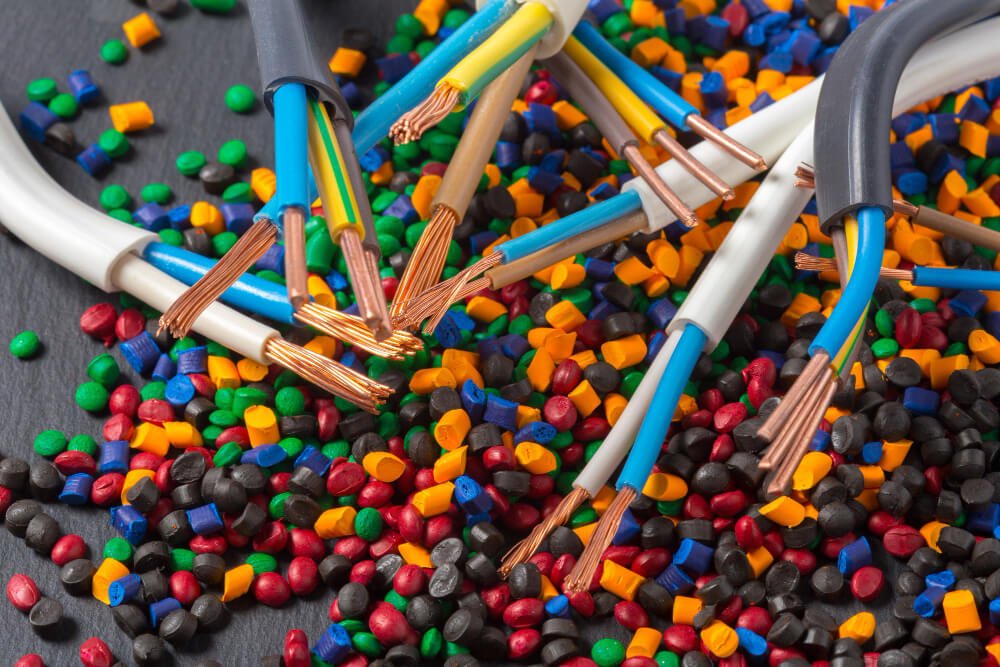
Cable wire scrap includes a variety of discarded wires and cables from homes, offices, and industrial sites. Common examples are:
- Electrical Wires: Household wiring, extension cords, and appliance cables.
- Power Cables: Thick cables used for high-current devices or industrial equipment.
- Coaxial & Network Cables: TV, internet, and data transmission wiring.
- Copper Wiring: Often found inside almost all types of cables, including old motors and transformers.
The value of cable wire scrap primarily comes from the metals inside. The most important components are:
- Copper: Copper wires determine most of the per-kilogram scrap value. High-purity copper fetches the best prices.
- Aluminum: Found in some power or overhead cables, aluminum adds value but usually less than copper per kg.
- Precious Metals: Some specialized cables, such as computer or high-end industrial wiring, may contain small amounts of gold or silver in connectors or coatings.
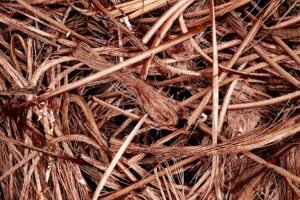
For example, a standard household copper wire can yield a significant scrap value if collected in bulk, because the copper content directly drives the per-kg price. Separating copper from insulation and other non-metal materials is key to maximizing returns.
Factors Affecting Cable Wire Scrap Price
The value of cable wire scrap depends on several factors, including the type of wire, metal content, condition, and current market trends. Understanding these elements helps sellers maximize returns per kilogram.
1. Type of Wire
- Copper Wires: Most valuable due to high conductivity and demand.
- Aluminum Wires: Less valuable but still worth recycling.
- Insulated vs. Bare Wires: Stripped wires typically fetch higher rates because buyers don’t need to remove plastic coatings.
2. Metal Content
- Pure Copper: Commands the highest scrap price per kg.
- Copper-Clad Aluminum (CCA): Contains less copper; prices are lower than pure copper wires.
- Aluminum Wires: Cheaper per kg but widely used in power and overhead cables.
3. Condition of Wire
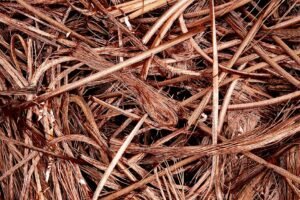
- Stripped Wires: Free of insulation, clean, and sorted, these attract the best prices.
- Insulated Wires: Easier to collect but require processing, so the price per kg is lower.
4. Market Demand & Global Metal Prices
- Scrap prices fluctuate with copper, aluminum, and precious metal markets.
- Local demand from recyclers, industrial usage, and e-waste collection trends also influence rates.
Example Table: Wire Type vs Metal Content vs Approximate Price per kg
| Wire Type | Metal Content | Approx. Price per kg (USD) | Notes |
|---|---|---|---|
| Copper Wire (Stripped) | 99%+ Copper | $4 – $7 | Highest per-kg value |
| Insulated Copper Wire | Copper + plastic coating | $2 – $5 | Requires stripping for full value |
| Copper-Clad Aluminum | Mixed copper/aluminum | $1.5 – $3 | Lower value due to less copper |
| Aluminum Wire | Pure aluminum | $1 – $3 | Less valuable but recyclable |
| Specialty/High-End Wire | Copper + traces of silver/gold | $6 – $10 | Found in industrial or electronic cables |
Current Price of 1 kg Cable Wire Scrap
Here’s a quick reference for global scrap prices, useful for estimating potential earnings:
| Wire Type | Price per kg (USD) | Notes |
|---|---|---|
| Stripped Copper Wire | $4 – $7 | Pure copper, high-demand material |
| Insulated Copper Wire | $2 – $5 | Includes plastic coating, lower rate |
| Aluminum Wire | $1 – $3 | Lower value than copper |
| Copper-Clad Aluminum | $1.5 – $3 | Mixed metal, lower purity |
Pricing Insights:
- Stripped copper wires always command the highest rates per kg.
- Bulk collection significantly increases profitability.
- Monitoring global copper and aluminum markets helps you decide the best time to sell.
- Insulated wires can be stripped for additional profit, especially when collected in large quantities.
How to Sell Cable Wire Scrap for Maximum Profit
Step-by-Step Selling Guide
- Collect and Sort Wires by Type
- Separate copper wires, aluminum wires, and insulated cables.
- Copper wires are generally the most valuable, so isolating them ensures accurate pricing.
- Example: Phone charging cables, extension cords, and power cables are all copper-insulated, while some older electrical wires may be aluminum or copper-clad aluminum.
- Strip Insulation for Higher Per-Kg Value
- Use wire strippers, utility knives, or mechanical stripping machines to remove plastic or rubber insulation.
- Stripped copper wires sell for significantly higher prices than insulated wires sometimes up to 50–70% more per kg.
- Safety tip: Wear gloves and protective eyewear when stripping wires to avoid injuries.
- Contact Local Scrap Dealers or Online Marketplaces
- Reach out to licensed scrap dealers in your area for quotes.
- Use online marketplaces like Scrap Trade or ScrapTradeNow to compare rates and find better buyers.
- Example: Some dealers pay premium prices for bulk copper wire over 50 kg.
- Check Updated Market Prices Before Selling
- Copper and aluminum prices fluctuate daily due to global metal markets.
- Tracking current rates ensures you get the best deal.
- Tip: Keep a small notebook or spreadsheet to record recent quotes and price trends.
Tips to Increase Cable Wire Scrap Value
- Strip Insulation to Sell Pure Copper
- Insulated copper wire fetches lower prices; removing insulation increases per-kg profitability.
- For small DIY batches, hand stripping works; for larger quantities, consider a mechanical wire stripper.
- Example: 1 kg of insulated copper wire may sell for $2–$3, while stripped copper can fetch $4–$7 per kg.
- Bundle Larger Quantities for Better Bulk Rates
- Scrap dealers often provide higher rates for bulk orders because it reduces processing costs.
- Tip: Collect wires over a few weeks and bundle them before selling 50–100 kg lots can significantly increase your profit per kg.
- Track Global Copper and Aluminum Prices
- Use metal market websites or platforms like Scrap Trade to stay updated.
- Negotiating with dealers when prices are high can earn you a better deal.
- Example: Copper prices typically spike when industrial demand rises selling during these times maximizes profits.
- Avoid Mixing Metals
- Never mix copper, aluminum, or steel wires. Mixed batches reduce scrap value and may be rejected by dealers.
- Label each batch clearly: “Stripped Copper,” “Insulated Copper,” “Aluminum Wires.”
- Clean and Organize Your Scrap
- Remove dirt, dust, or non-metal parts to make your wires more appealing to buyers.
- Organized, clean scrap often gets premium rates, and dealers can weigh it faster.
FAQs on Cable Wire Scrap
Q1: How much is 1 kg of cable wire scrap worth?
The value of 1 kg of cable wire scrap ranges from $1 to $7 USD depending on the type of wire and metal content. Stripped copper wires fetch the highest rates, while aluminum and insulated wires are lower. Bulk collection can increase overall returns per kilogram.
Q2: Does stripping insulation increase scrap value?
Yes. Removing plastic or rubber coatings exposes the metal inside, particularly copper, which significantly increases per-kg pricing. Clean, stripped wires are easier for recyclers to process and typically fetch 2–3 times higher rates than insulated wires.
Q3: Which type of wire is most valuable for scrap?
Stripped copper wires are the most valuable due to their high conductivity and demand in recycling. Industrial and thick-gauge power cables generally command the highest prices. Copper-clad aluminum and mixed wires are less valuable but still recyclable.
Q4: Can aluminum wires fetch a good price?
Aluminum wires are less valuable per kilogram than copper but are still worth recycling. Bulk quantities of aluminum wiring from appliances, power lines, or industrial cables can provide steady scrap income, especially when separated from insulation and contaminants.
Q5: Where can I safely sell cable wire scrap online?
You can sell cable wire scrap safely through certified e-waste and scrap platforms that provide verified payments and instant quotes. Trusted online marketplaces include:
Understanding how much 1 kg of cable wire scrap is worth helps you sell with confidence and maximize returns. The scrap value depends on several key factors: the type of wire (copper, aluminum, insulated, or bare), the metal content inside, and current global market rates for metals like copper and aluminum. Stripped copper wires are generally the most valuable, while aluminum and insulated wires are worth less per kilogram but still profitable in bulk.
To sell cable wire scrap smartly, it’s important to sort and separate wires, strip insulation where possible, weigh accurately, and compare multiple buyers.