
How Much is 1 kg E-Waste Scrap Worth: Current Rates & Selling Tips (2026)
Electronic waste, or e-waste, includes items like old computers, laptops, mobile phones, printers, and various electronic components. These devices are more than just discarded gadgets they contain valuable metals such as copper, gold, aluminum, and sometimes silver, making them highly profitable for recycling.
Many sellers ask: “How much is 1 kg of e-waste scrap worth?” Without knowing the latest rates, it’s easy to undervalue your electronics and lose potential profit. Prices vary based on metal content, device type, condition, and current market demand, so understanding these factors is key to maximizing returns.
In this guide, you’ll discover the current value of 1 kg e-waste scrap, the factors that influence pricing, and practical steps to sell e-waste scrap efficiently. Whether you have household gadgets, industrial electronics, or computer parts, this guide shows you how to sort, weigh, and sell your e-waste for maximum profit.
Current E-Waste Scrap Price (2026)
Knowing the current e-waste scrap price per kilogram is essential for selling efficiently and maximizing your returns. E-waste contains valuable metals like copper, gold, aluminum, and silver, so understanding how different types of electronics are priced can help you avoid underpricing your materials.
E-Waste Scrap Price Table
| E-Waste Type | Price (AUD/kg) | Notes |
|---|---|---|
| Mixed E-Waste | $10 – $30 | Includes computers, wires, small electronics; lower value if unsorted |
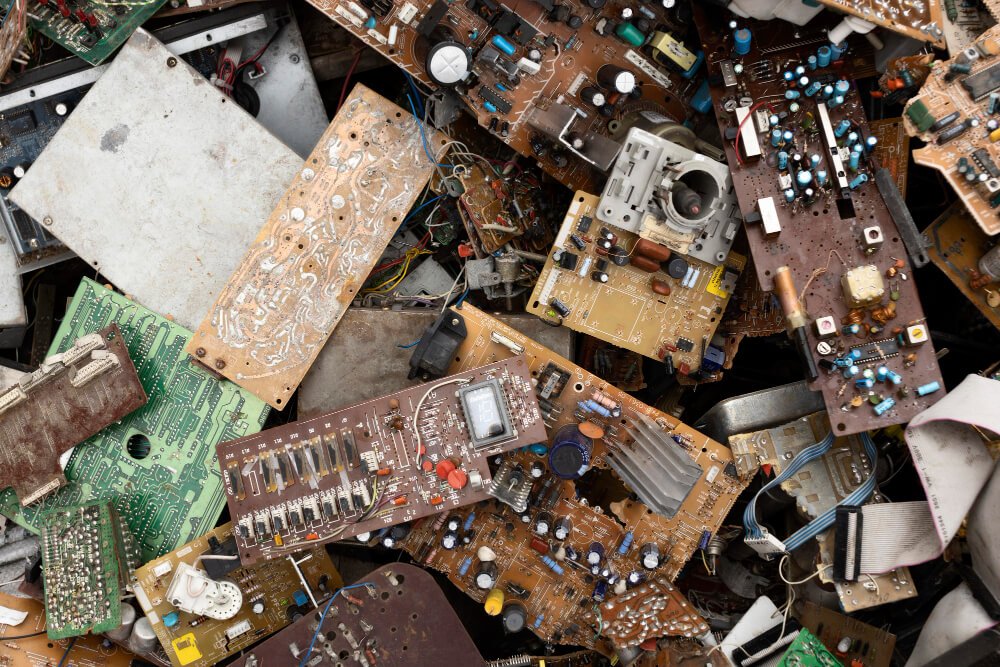
| Motherboards / PCB Boards | $25 – $50 | High-value due to gold, silver, and copper content |
| Laptops & Components | $15 – $40 | Includes RAM, hard drives, and circuit boards |
| Mobile Phones & Gadgets | $10 – $35 | Price varies with brand, model, and condition |
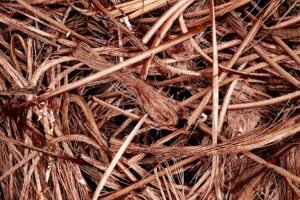
| Cables & Wiring | $5 – $15 | Copper wires or electronic cables; stripped copper fetches higher rates |
Pricing Insights
- Motherboards and PCB boards are the most profitable because they contain precious metals like gold and silver, in addition to copper.
- Laptops and components such as RAM, HDDs, and chips offer solid returns, especially if sorted by type.
- Mobile phones and gadgets vary in value depending on brand, model, and condition. Sorting by model can increase per-kg rates.
- Mixed e-waste is convenient to sell but usually has lower per-kg pricing since buyers must sort and extract metals.
- Cables and wiring from electronics contain copper; stripping insulation before selling improves the per-kilogram rate.
- Market influence: E-waste prices fluctuate daily with global copper, gold, and aluminum markets, as well as local industrial demand.
Factors Affecting E-Waste Scrap Value
The value of e-waste scrap depends on multiple factors. Understanding these helps you maximize returns and sell efficiently.
1. Type of E-Waste
- High-value components like motherboards, CPUs, GPUs, RAM, and circuit boards contain copper and precious metals such as gold and silver, which command the highest per-kilogram prices.
- Mobile phones and laptops also contain valuable metals, but their value depends on brand, model, and condition.
- Small appliances, cables, or mixed electronics typically fetch lower prices, as buyers must sort and extract metals.
Pro Tip: Keep high-value components separate from mixed e-waste to ensure maximum quotes from buyers.
2. Purity & Sorting
- Sorted e-waste—where similar items are grouped by type—gets higher rates because buyers save time and processing costs.
- Contaminated or mixed scrap reduces value, as it requires extra labor to extract metals.
- Cleaning electronics by removing batteries, plastics, and non-metal attachments can further increase per-kg payouts.
3. Quantity & Bulk Selling
- Selling e-waste in bulk usually results in higher per-kilogram rates, as buyers prefer large loads that reduce handling and transport costs.
- Small or single-item sales are convenient but often receive lower offers per kg.
- Accumulating scrap over time allows you to negotiate better deals, especially for high-value components.
4. Market Demand
- E-waste pricing closely tracks global copper, gold, silver, and aluminum markets. Higher commodity prices usually increase local scrap rates.
- Industrial demand in electronics manufacturing, recycling centers, and refurbishment projects also affects offers.
- Local scrap yard rates vary, so comparing multiple buyers especially online platforms can ensure the best market price.
How to Sell E-Waste Scrap
Selling e-waste scrap efficiently requires preparation, accurate measurement, and choosing the right buyers. Follow these steps to maximize returns and sell safely.
Step 1 – Identify & Sort E-Waste
- Separate electronics by type: motherboards, CPUs, laptops, mobile phones, cables, and other components.
- Remove hazardous materials: batteries, capacitors, and any toxic substances should be handled carefully to avoid penalties or damage.
- Sorting helps increase per-kg value since buyers pay more for sorted, high-purity scrap.
Step 2 – Weigh Accurately
- Use a digital scale to measure weight precisely.
- Record weights for both sorted items and mixed e-waste.
- Accurate weights prevent disputes and help you receive fair payment per kilogram.
Step 3 – Find Buyers
- Local e-waste recyclers and scrap yards are traditional options. Check reviews and certifications for safe handling.
- Online platforms provide instant quotes from multiple verified buyers, saving time and often offering higher rates. Recommended platforms include:
Step 4 – Get Quotes & Sell
- Provide accurate weights, sorted lists, and clear photos to buyers for the most precise quotes.
- Decide between pickup or drop-off, depending on convenience and potential cost savings.
- Always confirm payment before handing over any e-waste. Options may include bank transfer, digital payment, or cash on pickup.
FAQs on E-Waste Scrap
Q1: How much is 1 kg of e-waste scrap worth?
E-waste scrap prices range from $10 to $50 AUD per kg, depending on the type of electronic items, their metal content, and overall condition. High-value components such as motherboards, CPUs, RAM, and PCBs can fetch the top rates, while mixed or low-value electronics typically earn less per kilogram.
Q2: Which e-waste items fetch the highest value?
- Motherboards, CPUs, RAM, and PCB boards contain precious metals like gold and silver, making them the most profitable.
- Laptops, mobile phones, and electronics with copper wiring also command good returns, especially if sorted by type and condition.
Q3: Can I sell small amounts of e-waste?
Yes, small quantities can be sold, but bulk e-waste usually receives higher per-kg rates. Accumulating scrap allows for better negotiation with buyers and can reduce transportation costs, especially for high-value items.
Q4: Is sorting necessary for selling e-waste?
Absolutely. Sorted e-waste increases resale value because buyers can quickly process high-purity scrap. Removing batteries, plastics, and non-metal attachments also improves offers. Mixed scrap generally fetches lower rates.
Q5: Where can I sell e-waste safely?
Use verified local scrap yards or trusted online platforms like Scrap Trade to ensure secure transactions. These platforms offer instant quotes, multiple buyers, and reliable payment options, helping you get the highest value without unnecessary risk.
Knowing how much 1 kg of e-waste scrap is worth empowers you to sell your electronics confidently while ensuring you get the highest possible returns. E-waste, including motherboards, laptops, mobile phones, cables, and other electronic components, contains valuable metals like copper, gold, silver, and aluminum. Understanding the current market rates helps you avoid undervaluing your scrap and ensures you maximize every kilogram you sell.
To get the best results, follow these steps: sort your e-waste by type, weigh accurately, remove contaminants, and compare quotes from multiple buyers. Using trusted online platforms like Scrap Trade offers instant quotes, verified buyers, and secure payments, saving you time and increasing your profit.
Start today and turn your old electronics into fast, safe, and profitable cash. Whether it’s household gadgets, industrial devices, or computer parts, the right approach ensures every kilogram of e-waste earns its full market value.