
How Much is 1 kg Electronics Scrap Worth: Current Prices & Selling Guide
Electronic scrap, also known as e-waste, includes discarded devices like computers, laptops, mobile phones, televisions, chargers, and circuit boards. While these items may seem useless, they contain valuable recoverable materials such as copper, aluminum, gold, silver, and other metals that make them highly recyclable and profitable. This is why many sellers and recyclers ask, “How much is 1 kg of electronics scrap worth?” but the answer isn’t fixed. It varies based on the type of device, component quality, metal content, and current market demand.
Without knowing the latest pricing trends, you risk undervaluing your scrap and losing potential profit. Some components, like circuit boards and wiring, can be significantly more valuable than mixed or unsorted e-waste.
In this guide, you’ll learn the current value of 1 kg electronics scrap the key factors that influence pricing, and actionable steps to sort, evaluate, and sell your e-waste efficiently. Whether you’re clearing household electronics or managing bulk scrap, this guide will help you maximize returns and sell smarter.
Current Electronics Scrap Price (2026)
Understanding the current electronics scrap price per kg is essential for anyone looking to sell e-waste profitably. Since electronic scrap contains a mix of precious metals, base metals, and non-metal materials, pricing varies significantly depending on how well the scrap is sorted and the type of devices included.
Electronics Scrap Price Table
| Electronics Scrap Type | Price (AUD/kg) | Notes |
|---|---|---|
| Mixed Electronics Scrap | $10 – $30 | Includes TVs, CPUs, mobiles, cables; value varies due to mixed materials |
| Computer & Laptop Scrap | $15 – $45 | Higher value due to PCBs, processors, RAM, and metal density |
| Mobile & Small Device Scrap | $15 – $50 | Contains precious metals like gold and silver in compact boards |
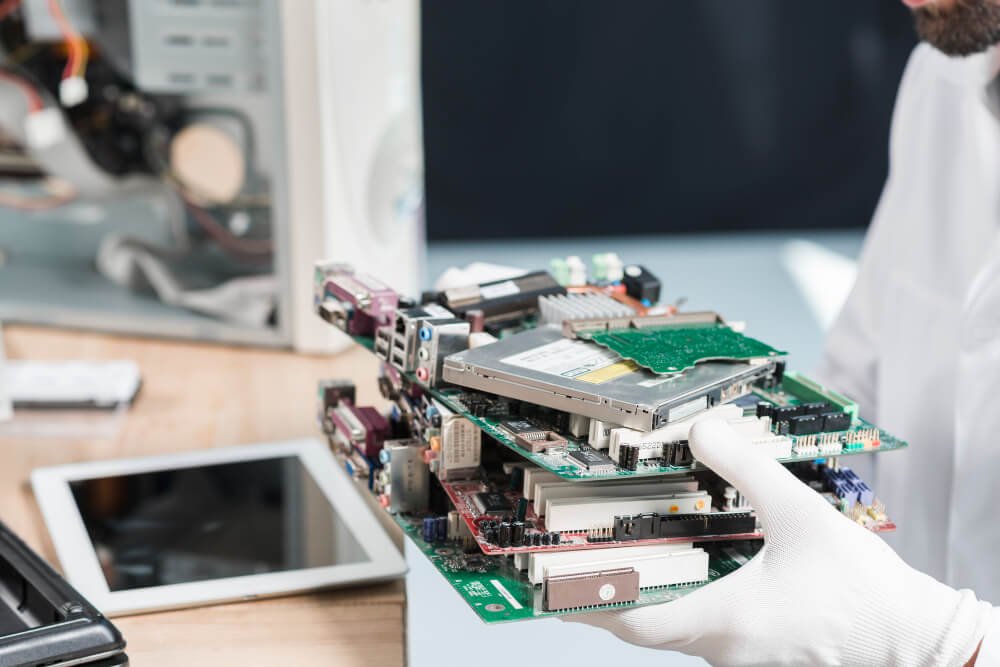
| Circuit Boards / PCBs | $25 – $75 | High-value scrap with gold plating, copper layers, and silver traces |
| Low-Grade Electronics Scrap | $8 – $20 | Plastic-heavy items with minimal metal recovery |
Pricing Insights
- High-Grade Electronics Deliver Maximum Returns
Components such as circuit boards (PCBs), CPUs, and connectors contain higher concentrations of gold, copper, and silver, making them the most valuable category of e-waste. - Mixed Scrap Reduces Overall Value
Selling unsorted electronics where plastics, metals, and boards are combined results in lower per-kg pricing, as recyclers must invest time in separation and processing. - Metal Recovery Potential Drives Pricing
The more recoverable metal (especially copper and precious metals) present in the scrap, the higher the value. Devices with dense circuitry and connectors tend to fetch better rates. - Device Type Impacts Pricing Significantly
- Mobile devices and laptops often contain richer PCBs, increasing value.
- Older or plastic-heavy electronics yield lower returns due to reduced metal content.
- Sorting Can Increase Profit by 20–40%
Separating PCBs, wiring, metals, and plastics before selling can significantly improve total returns compared to selling mixed e-waste.
Factors That Affect Electronics Scrap Value
The value of electronic scrap (e-waste) is influenced by multiple variables beyond just weight. Understanding these factors helps sellers accurately estimate value and maximize returns per kilogram.
1. Type of Electronic Scrap
Different types of e-waste have vastly different values:
- High-Value Scrap:
- Circuit boards (PCBs)
- CPUs and processors
- Motherboards and connectors
These components contain dense circuitry and precious metals, making them the most profitable.
- Low-Value Scrap:
- Plastic-heavy devices (remote controls, casings, low-end appliances)
- Items with minimal metal content
Focusing on separating high-grade components can significantly increase overall scrap value.
2. Metal Content
The metal composition inside electronics is a primary value driver:
- Copper: Found in wiring, coils, and PCB layers provides strong base value.
- Gold & Silver: Present in connectors, chips, and circuit boards significantly boosts pricing.
- Aluminum & Steel: Add bulk weight but contribute less per kg compared to copper and precious metals.
In general, higher metal density = higher per kg rate, especially for devices with complex circuitry.
3. Sorting & Purity
How well the scrap is prepared directly impacts pricing:
- Sorted Electronics:
Separating PCBs, metals, wires, and plastics allows recyclers to process materials efficiently and offer premium rates. - Mixed Scrap:
Unsorted e-waste reduces value because buyers must spend time separating components, leading to lower per-kg offers.
Proper sorting can improve returns by 20–40% compared to mixed scrap.
4. Quantity & Bulk Selling
Volume plays a critical role in pricing:
- Bulk Quantities:
Larger volumes give sellers better negotiation power and often result in higher per-kg rates. - Small Quantities:
Smaller loads may receive lower offers due to handling and processing costs.
Businesses and bulk sellers can maximize profit by consolidating scrap before selling.
5. Market Demand
Electronics scrap prices are closely tied to global and local market conditions:
- Global Metal Prices:
Copper, gold, and aluminum price fluctuations directly affect e-waste value. - Recycling Demand:
Increased demand for electronic recycling can drive up prices, especially for high-grade PCBs and components. - Supply Trends:
Large volumes of scrap entering the market (e.g., from corporate upgrades) can temporarily impact rates.
How to Sell Electronics Scrap
Selling electronic scrap efficiently requires proper sorting, accurate valuation, and choosing the right buyers. By following a structured approach, you can significantly increase your per-kg returns and overall profit.
Step 1 – Collect & Sort E-Waste
Start by gathering all types of electronic scrap and organizing them into categories:
- Computers & Laptops
- Mobile Phones & Small Devices
- Cables & Wiring
- Circuit Boards (PCBs)
Sorting is crucial because different categories have different scrap values. Also, make sure to remove hazardous components such as batteries, capacitors, and mercury-containing parts to ensure safety and compliance with recycling standards.
Step 2 – Identify High-Value Parts
Not all components are equal focus on extracting items with the highest value:
- Motherboards & PCBs: Contain copper, gold, and silver
- CPUs & Processors: Often include gold plating
- RAM Modules & Expansion Cards: High-density circuitry
- Copper Wiring & Connectors: Strong base metal value
Separating these high-value parts allows you to sell them individually at premium rates rather than as mixed scrap.
Step 3 – Weigh Accurately
Accurate measurement ensures fair pricing and better negotiation:
- Use digital scales for precise readings
- Weigh each category separately (PCBs, wires, metals, mixed scrap)
- Maintain a record of weights to avoid underpayment and improve transparency
Clear weight tracking also helps buyers provide more accurate and competitive quotes.
Step 4 – Compare Buyers
Different buyers offer different pricing structures, so comparing options is essential:
- Local Scrap Yards: Quick transactions, suitable for mixed scrap
- E-Waste Recyclers: Better pricing for high-value electronic components
- Online Platforms for Instant Quotes:
Using multiple platforms helps you identify the highest-paying buyer and avoid underselling.
Step 5 – Get Quotes & Sell
Finalize your sale with a secure and efficient process:
- Share Clear Details & Photos: Provide images of sorted scrap along with accurate weights
- Choose Pickup or Drop-Off: Bulk sellers can often arrange pickup, while smaller quantities may require delivery
- Confirm Payment Terms: Ensure payment method (bank transfer, online payment, or cash) is agreed upon before handing over scrap
Tips to Maximize Electronics Scrap Value
Maximizing returns from electronic scrap isn’t just about selling it’s about preparation, sorting, and timing the market correctly. These practical tips will help you increase your per-kg pricing and overall profit from e-waste.
Separate High-Value Components
Always identify and isolate high-value parts such as circuit boards (PCBs), CPUs, RAM, and connectors before selling. These components contain precious metals like gold and silver along with high copper density, making them significantly more valuable than mixed electronics scrap. Selling them separately ensures premium pricing per kilogram.
Remove Plastic and Non-Metal Parts
Plastic casings, rubber insulation, and other non-metal materials reduce the overall scrap value. By removing these elements, you improve scrap purity, making it easier for buyers to assess value and offer higher rates. Clean, metal-rich scrap is always more attractive to recyclers.
Sell in Bulk for Higher Rates
Bulk selling is one of the most effective ways to increase profitability:
- Larger quantities reduce processing costs for buyers
- Scrap dealers often offer better per-kg rates for bulk loads
- Bulk sellers gain stronger negotiation leverage
If possible, accumulate your e-waste over time before selling to maximize returns.
Track Copper, Gold, and Aluminum Prices
Electronics scrap value is closely linked to global metal market trends. Monitoring prices of copper, gold, and aluminum allows you to:
- Sell when market rates are high
- Avoid selling during price dips
- Negotiate better deals with buyers
Timing your sale strategically can significantly increase total earnings, especially for high-value scrap like PCBs.
FAQs on Electronics Scrap
Q1: How much is 1 kg electronics scrap worth?
The value of 1 kg of electronics scrap typically ranges from $10 to $75 AUD per kg, depending on the type of devices and their metal content. High-grade materials like circuit boards and CPUs sit at the top end, while mixed or plastic-heavy scrap falls on the lower end.
Q2: Which electronics scrap has the highest value?
The most valuable electronics scrap includes circuit boards (PCBs), CPUs, motherboards, and connectors. These components contain gold, silver, and high copper density, making them significantly more profitable than low-grade items like plastic casings or basic appliances.
Q3: Can I sell mixed electronics scrap?
Yes, you can sell mixed electronics scrap, but it usually receives lower per-kg rates. This is because recyclers need to invest time and effort in separating materials. Sorting your scrap into categories like PCBs, wiring, and metals can increase your overall returns significantly.
Q4: Do I need to remove batteries before selling?
Yes, batteries should always be removed before selling electronics scrap. They are considered hazardous materials and are typically handled separately. Removing batteries improves safety, compliance, and overall scrap value, as buyers prefer clean and non-contaminated materials.
Conclusion
Understanding how much 1 kg of electronics scrap is worth is the first step toward selling smarter and avoiding underpricing. Since e-waste contains a mix of high-value metals like copper, gold, and aluminum, even small improvements in sorting and preparation can significantly increase your per kg returns. Sellers who treat all electronics as “mixed scrap” often lose money compared to those who separate PCBs, wires, and reusable components.
To maximize profits, focus on three key actions: sort your scrap properly, identify high-value components, and compare multiple buyers before selling. Bulk selling and tracking metal price trends can further improve your negotiation power.