
How Much is 1 kg Motherboard Scrap Worth: Current Prices & Selling Tips (2026)
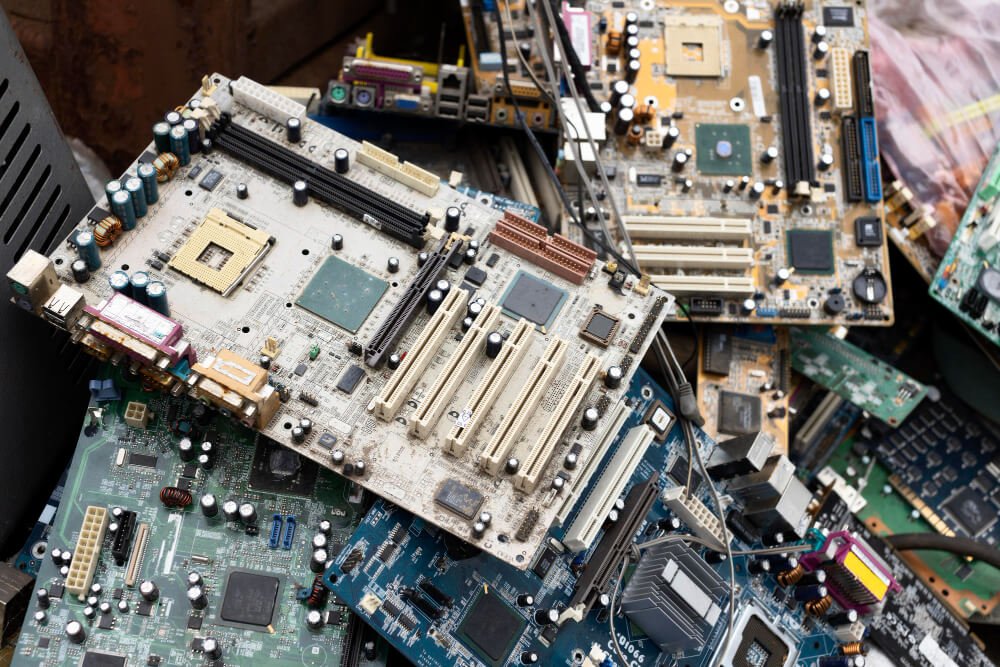
Motherboards from computers, servers, laptops, and other electronics are among the most valuable types of e‑waste scrap. This is because they contain a range of precious and base metals, including copper, gold, silver, and sometimes palladium, which can be recovered and sold to recyclers. Unlike other electronic components, motherboards have a higher concentration of these metals, making them a top target for scrap collectors and recyclers.
A frequent question among scrap sellers is: “How much is 1 kg of motherboard scrap worth?” The truth is, without up-to-date market information, it’s easy to underestimate their value and sell for far less than you could earn. Prices fluctuate constantly based on global metal markets, demand, and the type of electronic device the motherboard came from. Even seasoned sellers can miss out if they don’t track these changes.
In this guide, you’ll learn the current value of 1 kg of motherboard scrap in both USD and AUD, the main factors that affect its price, and proven strategies to sell motherboard scrap for maximum return. Whether you’re a recycler looking to optimize profits, a reseller sourcing scrap from old electronics, or an individual clearing out outdated computers, this guide provides a practical roadmap to turn unused motherboards into cash. By understanding the market and knowing what buyers are looking for, you can make informed decisions, avoid undervaluing your scrap, and confidently maximize your earnings.
Current Motherboard Scrap Price (2026)
Motherboard Scrap Price Table
| Motherboard Scrap Type | Price (AUD/kg) | Notes |
|---|---|---|
| Clean Server/PC Motherboards | $35 – $60 | High copper and precious metal content; usually comes from well-maintained desktops and servers |
| Laptop Motherboards | $30 – $55 | Slightly lower than desktop boards; often more soldered components but less copper bulk |
| Mixed Board Scrap (unsorted) | $25 – $45 | Contains a mix of consumer and older boards; prices vary depending on metal composition |
| Gold‑Enriched Boards | $45 – $75 | Boards with higher gold plating or specialized chips; premium value for recyclers |
| Specialized Industrial PCBs | $40 – $70 | Industrial or embedded boards with complex circuits and high-value components |
Pricing Insights
Motherboards remain one of the most lucrative types of e-waste because of their high copper content and recoverable precious metals like gold and silver. Here are some key insights to help sellers understand the pricing dynamics:
- Server and Industrial Boards Are Top Performers: Boards from servers, data centers, and industrial PCs often have thicker copper layers and more gold-plated contacts, making them more valuable than consumer desktop or laptop boards.
- Laptop vs Desktop Boards: Laptops usually have less copper but more compact, high-density circuits. This can slightly reduce the per-kilogram value compared to standard desktop motherboards.
- Gold‑Enriched Boards Command Premiums: Some motherboards, especially older or high-end models, have gold-plated connectors or components that dramatically increase their scrap value.
- Market Fluctuations: Prices are not fixed they move with global copper, silver, and gold market rates, as well as local demand from recyclers and scrap dealers. Staying informed about market trends is crucial to maximize returns.
- Sorting Matters: Clean, sorted boards often fetch significantly higher prices than mixed or unsorted boards because recyclers save time and processing costs.
What Determines the Value of 1 kg Motherboard Scrap
The price of motherboard scrap isn’t fixed—it depends on multiple factors that influence how much recyclers are willing to pay. Understanding these factors can help you maximize your returns when selling e-waste.
1. Precious Metal Content
Gold, silver, and palladium are the primary drivers of high motherboard scrap prices. Boards with gold-plated connectors, CPU sockets, or high-density chips contain more recoverable metals, making them particularly valuable. For example, older server motherboards often have thick gold plating on edge connectors, which can significantly increase per-kilogram pricing. Even a few grams of precious metals per board can make a big difference when selling in bulk.
2. Copper Content
Copper is the most abundant and easily recoverable metal in motherboards. The weight of copper traces, pads, and internal layers directly contributes to scrap value. Larger motherboards with thick copper layers—like those from servers or industrial PCs—tend to fetch higher prices than smaller consumer boards. When evaluating scrap, consider separating boards with high copper content to command better rates.
3. Type of Board
Not all motherboards are created equal. The type and source of the board can have a major impact on value:
- Server & Industrial Boards: Often have denser circuits, thicker copper layers, and gold-plated connectors—premium value.
- Laptop Boards: More compact and lightweight; copper content is lower, but high-density components may contain precious metals.
- Consumer Desktop Boards: Widely available and lower density; value can fluctuate depending on age and metal composition.
4. Sorting & Cleaning
How you prepare your motherboard scrap affects the offer you receive:
- Clean & Stripped Boards: Removing non-metal components, such as plastic covers or heat sinks, increases the per-kilogram rate because recyclers spend less on processing.
- Mixed or Dirty Boards: Boards with residual plastic, screws, or dust reduce efficiency for buyers, often resulting in lower quotes. Organizing and sorting your scrap by board type can boost your earnings significantly.
5. Market Demand
Finally, global and local market conditions have a strong influence on scrap prices:
- Commodity Market Rates: Prices for copper, gold, silver, and palladium fluctuate daily based on supply, demand, and international trends.
- Recycling Demand: When technology recycling or e-waste collection demand spikes like during corporate upgrades or government recycling initiatives scrap quotes can increase.
By considering these five factors precious metals, copper content, board type, cleanliness, and market demand you can accurately estimate the value of your motherboard scrap and sell it at a price closer to its true worth. Smart sellers often separate high-value boards and monitor metal prices before selling to maximize profits.
How to Sell Motherboard Scrap
Selling motherboard scrap effectively isn’t just about dropping your old boards at the nearest recycler. Following a structured approach can maximize your profits and ensure you get the best price for your e-waste.
Step 1 – Collect & Sort Boards
Start by gathering all the motherboards from your computers, laptops, servers, and other electronics. Sorting is critical because different types of boards have vastly different metal content:
- Server and Industrial Boards: Highest copper and gold content, command premium prices.
- Desktop PC Boards: Moderate copper, some gold plating; worth separating by generation or condition.
- Laptop Boards: Compact, less copper, but high-density circuits may contain recoverable precious metals.
- Mixed Boards: Older or broken boards; generally lower value unless sorted.
Where possible, remove non-metallic components such as plastic covers, screws, heat sinks, or cables. Clean, stripped boards fetch higher per-kilogram rates and reduce processing work for buyers.
Step 2 – Weigh Accurately
Accurate measurement is essential when selling scrap. Even small errors can lead to underpayment:
- Use a digital scale with gram-level precision for best results.
- Weigh boards by type (server, laptop, desktop) instead of lumping them together.
- Record weights carefully; some buyers may pay different rates for each board category.
Keeping precise weight records allows you to negotiate confidently and verify that quotes match the actual material delivered.
Step 3 – Compare Buyers
Not all buyers offer the same rates. Doing a little research before selling ensures you maximize your return:
- Local e-waste recyclers: Often provide hands-on service and pickup options but may have lower rates.
- Online platforms for instant quotes: Offer transparency and competitive pricing. Top platforms include:
- Scrap Trade – Instant quotes for Australian sellers
- Scrap Trade Australia – Covers wide regions with competitive rates
Compare multiple offers and check for hidden fees, such as transport costs or processing deductions, before deciding.
Step 4 – Get Quotes & Sell
Once you’ve selected potential buyers, follow these steps to finalize the sale:
- Provide clear photos and weights of each board type. Buyers pay more confidently when they can see the condition and type of scrap.
- Choose between pickup or drop-off based on convenience and cost. Pickup may be free but check if there’s a minimum quantity required.
- Confirm payment terms before delivery. Options may include instant bank transfer, PayPal, or cash on collection. Never ship high-value scrap without confirmed payment.
FAQs on Motherboard Scrap
Q1: How much is 1 kg of motherboard scrap worth?
The value of 1 kg of motherboard scrap can vary widely, typically ranging from $25 to $75 AUD per kg, depending on the type of motherboard, copper content, and amount of precious metals like gold, silver, and palladium. Server boards and gold-enriched boards usually command the highest prices, while mixed or older consumer boards fall on the lower end of the scale. Keeping an eye on current metal market rates can help you sell at the optimal price.
Q2: Which motherboards are most valuable?
Motherboards from servers, industrial PCs, and high-end workstations are the most valuable. These boards often contain thicker copper layers, gold-plated connectors, and high-density circuits, which increase recoverable metal content. Consumer desktop and laptop boards are still valuable, but prices fluctuate more and are generally lower per kilogram.
Q3: Do I need to strip components from motherboards?
Removing non-metallic components like plastic covers, heat sinks, and cables is recommended but not strictly required. Stripped and sorted boards are easier for buyers to evaluate, often resulting in higher offers. Even if you don’t strip components, separating boards by type server, desktop, laptop can improve pricing and simplify transactions.
Q4: Can I sell small amounts of motherboard scrap?
Yes, small amounts can be sold, but keep in mind that bulk quantities usually receive better per-kg rates. Many recyclers offer volume-based pricing, rewarding sellers who bring larger, sorted collections of motherboards. If you have only a few boards, it may be worth accumulating more scrap before selling to maximize profits.
Q5: Where should I sell motherboard scrap?
For the best pricing and secure transactions, sell through certified e-waste recyclers or trusted online platforms. Verified services such as:
Conclusion
Motherboard scrap can be surprisingly valuable, but the price you get depends on several key factors. Metal content, motherboard type, and current market rates all play a role in determining the per-kilogram value. Server and industrial boards typically command the highest prices due to their thick copper layers and gold-plated components, while consumer desktops and laptops may bring slightly lower returns. Sorting and cleaning your boards before selling, accurately weighing them, and comparing buyers can significantly increase your profits.
To ensure you get the best deal, it’s important to stay updated on live motherboard scrap prices and market fluctuations. Platforms like Scrap Trade provide instant quotes and allow you to sell your scrap efficiently, safely, and at competitive rates. Don’t let valuable e-waste sit unused—check live rates, prepare your boards, and sell your motherboard scrap smartly to turn old electronics into cash.