
How Much is 1 kg Steel Scrap Worth Per Kg: Current Rates & Selling Tips (2026)
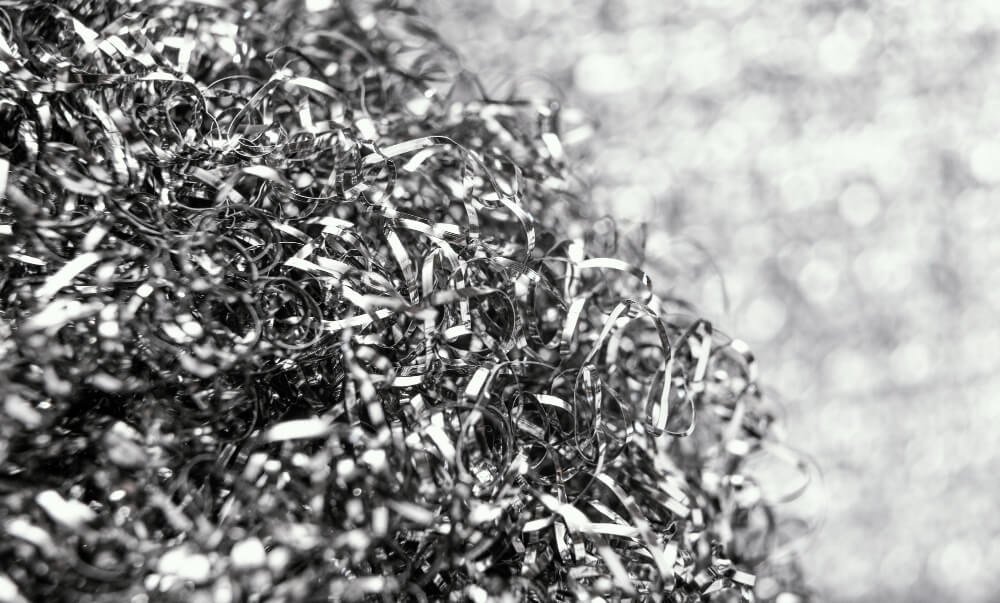
Steel scrap is one of the most common and widely recycled metals, yet many sellers are unsure how much 1 kg of steel scrap is worth per kg. Prices fluctuate depending on steel type, purity, and current market demand, so selling without up-to-date information may result in undervaluing your scrap.
Whether you have household steel items, industrial scrap, or end-of-life vehicles, knowing today’s steel scrap price is essential to get the best return. In this guide, you’ll learn the current steel scrap rates per kg, the key factors that influence pricing, and actionable tips for selling steel scrap quickly, safely, and profitably.
By following these strategies, you can turn unused steel into cash efficiently, while ensuring you receive fair market value. From separating materials to choosing the right buyer, this guide covers everything you need to maximize the value of your steel scrap today.
Current Steel Scrap Price (2026)
Knowing the current steel scrap price per kg is essential to sell efficiently and avoid undervaluing your materials. Prices vary depending on steel type, alloy content, and market demand, so understanding these differences helps you maximize returns.
Steel Scrap Price Table
| Steel Scrap Type | Price (AUD/kg) | Notes |
|---|---|---|
| Mild Steel / Sheet Scrap | $0.60 – $1.20 | Common construction, household, or scrap metal; widely available but lower per-kg value |
| Stainless Steel Scrap | $2 – $4 | Contains nickel and chromium, which increase value and recyclability |
| Alloy Steel Scrap | $1.50 – $3 | Used in machinery, automotive parts, and tools; higher resale value |
| Galvanized Steel Scrap | $1 – $2 | Coated with zinc; slightly lower price due to coating removal required |
| Mixed Steel Scrap | $0.50 – $1 | Combination of different steel types; lower rate due to sorting effort |
Pricing Insights
- Higher-value steels: Stainless and alloy steels command premium prices because of their nickel, chromium, or special alloy content.
- Common steel: Mild steel is abundant and recyclable but generally pays lower per kg.
- Mixed or galvanized scrap: Combining types or selling coated steel reduces value, as buyers must sort or remove coatings before recycling.
- Market influence: Steel scrap rates fluctuate with global steel commodity prices, construction demand, and industrial activity. Monitoring daily prices ensures you sell when rates are favorable.
Factors Affecting Steel Scrap Value
The value of your steel scrap depends on several key factors. Understanding these can help you sell steel scrap per kg for the highest possible return.
1. Type & Alloy Content
The type of steel and its alloy composition are major determinants of value:
- Stainless Steel: Highest-value steel due to nickel and chromium content; widely used in kitchenware, appliances, and industrial applications.
- Alloy Steel: Used in machinery, tools, and automotive parts; higher resale value than mild steel.
- Mild Steel: Common in construction and household scrap; lower per-kg price.
- Coated or Galvanized Steel: Zinc or paint coatings slightly reduce value because buyers may need to remove them before recycling.
Pro Tip: Separate stainless and alloy steel from mild or galvanized scrap to increase your per-kg payout.
2. Purity & Cleanliness
Clean, uncontaminated scrap commands better prices:
- Remove non-steel parts, plastics, or other metals.
- Sorting scrap by type improves buyer confidence and often raises offers by 10–30% per kilogram.
- Mixed or dirty steel reduces recycling efficiency, which lowers the price.
3. Quantity & Bulk Selling
The amount of scrap you sell affects pricing:
- Bulk shipments: Larger volumes often fetch higher per-kg rates because buyers save on handling and transport costs.
- Small quantities: While convenient, small lots may receive lower rates per kilogram.
Pro Tip: Accumulate scrap over time to sell in larger batches for better margins.
4. Market Demand & Location
Steel scrap prices vary with local and global factors:
- Local construction and manufacturing activity affects demand for mild steel.
- Stainless and alloy steels are influenced by industrial and appliance recycling trends.
- Regional scrap yards may offer different rates, so comparing quotes ensures you get the best price.
How to Sell Steel Scrap
Selling steel scrap efficiently involves preparation, accurate weighing, and comparing multiple buyers. Following these steps ensures you maximize the value per kilogram and minimize wasted time.
Step 1 – Sort Your Steel Scrap
- Separate steel types: Mild steel, stainless steel, galvanized steel, and alloy steel should be kept in distinct piles.
- Remove contaminants: Detach plastics, rubber, screws, or paint that may reduce the price.
- Why it matters: Buyers pay more for sorted, clean scrap because it requires less processing and can be recycled more efficiently.
Pro Tip: Label your piles clearly and keep higher-value steels, like stainless or alloy, separate to attract premium quotes.
Step 2 – Weigh Accurately
- Use a digital scale to measure each type of steel precisely.
- Record weights for each category separately, as pricing depends on type and quantity.
- Accurate measurements ensure you are paid fairly for every kilogram.
Pro Tip: Weigh steel after cleaning and sorting to maximize per-kg rates. Some buyers may discount mixed or dirty scrap.
Step 3 – Compare Buyers
- Local scrap yards: Convenient but rates may be lower due to limited competition.
- Online platforms: Offer access to multiple buyers and live quotes, including:
Tips to Maximize Steel Scrap Value
Selling steel scrap is more profitable when you prepare your material strategically. These tips will help you get the best per-kilogram price and make the process faster and more efficient.
1. Keep Steel Scrap Clean
- Remove non-metal attachments like plastics, rubber, paint, or screws.
- Clean scrap is easier for buyers to process, which often increases the per-kg price.
- Even light cleaning, such as brushing off dirt or wiping oily surfaces, can improve offers significantly.
2. Sort Different Types of Steel Separately
- Separate mild steel, stainless steel, galvanized steel, and alloy steel.
- High-value steels, like stainless or alloy steel, should be highlighted separately for premium offers.
- Mixed steel scrap usually sells for less per kilogram because buyers must spend time sorting and processing it.
3. Sell in Bulk
- Larger quantities of steel scrap often command better per-kg rates because buyers save on handling and transportation costs.
- Smaller amounts may be convenient but typically yield lower returns.
4. Track Steel Market Rates
- Steel scrap prices fluctuate with global steel commodity rates, construction activity, and industrial demand.
- Monitoring market trends gives you leverage when negotiating with buyers.
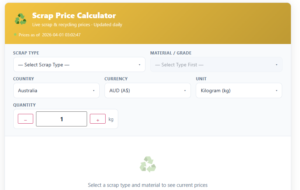
- Platforms like Scrap Trade provide real-time price updates, helping you sell at optimal rates.
5. Consider Specialized Buyers
- Some buyers focus on stainless steel or alloy steel, which can fetch higher prices than general scrap yards.
- Selling specialty steel to the right buyer ensures you maximize value for premium materials.
FAQs on Steel Scrap
Q1: How much is 1 kg of steel scrap worth per kg?
Steel scrap prices typically range from $0.50 to $4 AUD per kilogram, depending on the type, purity, and current market demand. Stainless steel and specialty alloys sit at the higher end, while mixed or mild steel is priced lower. Daily fluctuations mean it’s important to check live market rates before selling.
Q2: Which steel scrap has the highest value?
Stainless steel and alloy steel are the most valuable types because of their nickel, chromium, or special alloy content. These metals are easier to recycle and in high demand in manufacturing, machinery, and appliance industries. Selling these separately from mild or galvanized steel can maximize your per-kg payout.
Q3: Can I sell small quantities of steel scrap?
Yes, small amounts can be sold, but bulk scrap usually earns better per-kg rates. Accumulating steel scrap over time allows you to negotiate higher offers and reduce handling costs, ultimately increasing your total profit.
Q4: Does location affect steel scrap prices?
Yes, regional demand, availability of local scrap yards, and proximity to industrial buyers all influence pricing. Some areas may offer higher rates for stainless or alloy steel, while others have lower competition and prices. Comparing multiple buyers in your region is essential.
Q5: How can I get the best price for steel scrap?
To secure top rates:
- Sort scrap by type (mild, stainless, alloy, galvanized).
- Clean your steel to remove dirt, plastics, or coatings.
- Sell in bulk to increase per-kg rates.
- Compare multiple buyers including online platforms like Scrap Trade, Scrap Trade Australia, and Scrap Trade Now.
Conclusion
Steel scrap value depends on type, purity, quantity, and market demand, so taking a strategic approach is essential for maximizing returns.
By sorting your steel scrap, separating high-value types like stainless or alloy steel, removing contaminants, and weighing accurately, you ensure buyers pay for the true value of your materials. Comparing quotes from multiple buyers including online platforms and local scrap yards helps you secure the best per-kilogram rate.