
If you have been asking yourself how much is scrap steel worth, you are likely looking to turn industrial waste or household clutter into a profitable asset. Understanding the valuation of ferrous metal is essential for anyone involved in construction, demolition, or general metal recycling. Because steel is the most recycled material on the planet, its market is highly liquid, yet complex. To determine how much is scrap steel worth, one must look beyond a simple price tag and consider the logistical, chemical, and market-driven factors that define the value of a scrap load.
Understanding the Market: Factors Influencing Steel Prices
The Australian scrap market is intrinsically linked to global industrial activity. When you research how much is scrap steel worth, you will find that the steel price per tonne is rarely static. It is influenced by the “Big Three” of the commodities market: iron ore prices, coking coal costs, and global manufacturing demand, particularly from China and Southeast Asia.
For domestic sellers, the value is also heavily impacted by logistics. Because steel is a heavy, low-value-density commodity, the cost of transport often eats into the profit margin. This is why large-scale industrial generators often seek professional Steel Scrap Baling Processing Services Australia to consolidate their loads, reduce volume, and increase the efficiency of transport, which in turn optimizes the final payout.
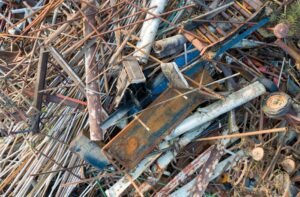
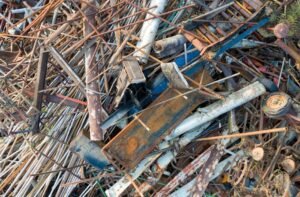
Furthermore, the grade of the metal is the primary determinant of price. A pile of rusted, mixed-grade mild steel will fetch a significantly lower price than a clean, sorted batch of high-grade industrial offcuts. Understanding these nuances is the first step toward maximizing your return on investment.
The Hierarchy of Ferrous Metal: Grading Explained
Not all steel is created equal. In the recycling industry, steel is classified based on its chemical composition and physical state. Ferrous metal—which includes iron and steel—is broadly categorized by the presence of contaminants and the thickness of the material.
When you take your load to a yard, the operator will inspect it against industry standards. You should familiarize yourself with Steel Scrap Grading 1 Prepared 2 Prepared Shredded to understand how the physical preparation of your steel impacts its value. “Prepared” steel refers to material that has been cut to specific dimensions, making it ready for the furnace without further processing. “Unprepared” steel requires the yard to invest time and fuel into cutting, which results in a lower price for the seller.
Sheet metal, for instance, is often considered a lower-grade ferrous product due to its high surface-area-to-volume ratio, which leads to higher oxidation (rust) rates. Conversely, heavy structural steel (beams and plates) is highly sought after by mills because it provides a dense, predictable melt. For specialized alloys, you should also compare these rates against the Stainless Steel Scrap Price, as these contain chromium and nickel, which significantly elevate their market value compared to standard carbon steel.
How the Recycling Process Works
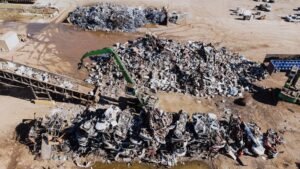
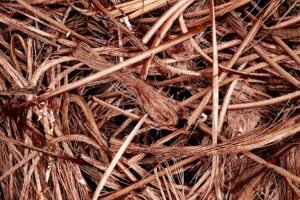
The journey of a scrap steel beam from a demolition site to a new product is a marvel of modern engineering. Once the material is collected, it undergoes a rigorous sorting process. At a professional facility, such as those found on Scrap Trade, the material is weighed and inspected for non-ferrous contaminants like copper wiring or plastic, which can ruin a batch of molten steel.
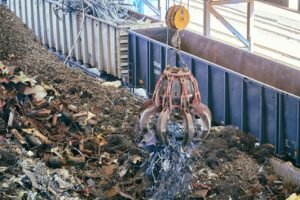
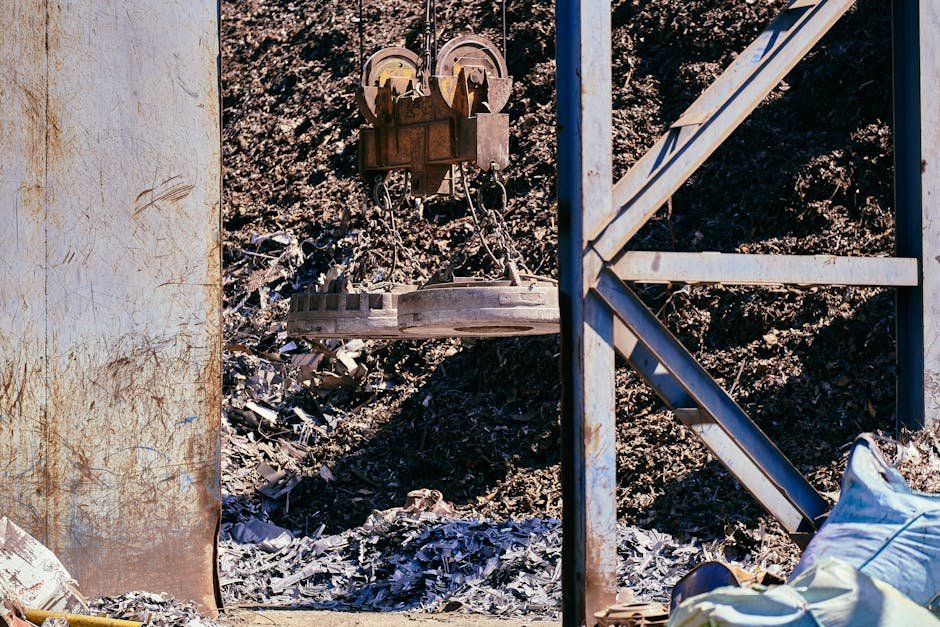
After sorting, the material is often processed through a shredder or a baler. Shredding breaks the steel into small, uniform chunks, allowing magnets to separate the ferrous metal from non-metallic debris. Baling, on the other hand, compresses the steel into dense cubes. This is where Scrap Trade Australia provides critical infrastructure, ensuring that the material is in the optimal form for transport to the steel mills.
Once the scrap is melted in an Electric Arc Furnace (EAF), it is transformed into new steel billets or slabs. This process is infinitely repeatable. Steel does not lose its metallurgical properties during the recycling process, meaning a piece of steel recycled today could be part of a skyscraper or a car frame tomorrow.
Environmental Benefits of Steel Recycling
Recycling steel is one of the most effective ways to reduce industrial carbon footprints. Producing steel from virgin iron ore is an energy-intensive process that requires massive amounts of coal and produces significant carbon emissions. In contrast, recycling steel consumes approximately 75% less energy than producing it from raw materials.
Beyond energy savings, recycling steel preserves natural resources. For every tonne of steel recycled, approximately 1.5 tonnes of iron ore, 0.5 tonnes of coal, and 40% of the water required for virgin production are saved. This circular economy model is the backbone of sustainable construction in Australia. By choosing to recycle, businesses and individuals are directly contributing to the reduction of landfill waste and the preservation of our natural landscapes.
Practical Tips for Maximizing Your Scrap Payout
To ensure you are getting the best value, preparation is everything. First, segregate your metals. Never mix copper, brass, or aluminium with your steel. Yards pay a premium for clean, sorted loads because it saves them the labor cost of sorting it themselves. If you have a large volume of mixed material, consider using a magnet to identify what is ferrous and what is not.
Second, keep your steel clean. Remove as much non-metal debris as possible—concrete, wood, and plastic attachments are considered “tare” and will be deducted from your weight, often at a penalty. If you are dealing with large industrial quantities, speak to a broker about the current steel price per tonne and ask if they offer pick-up services. Sometimes, the cost of hiring a skip bin is offset by the higher price you receive for a clean, industrial-grade load.
Finally, keep an eye on the market. If you have the storage space, it is often wise to hold onto your scrap during periods of low market demand and sell when commodity prices rise. Many professional traders provide regular market updates to help their clients time their sales effectively.
The Future of the Australian Scrap Industry
The Australian scrap metal industry is currently undergoing a digital transformation. With the rise of online platforms, transparency in pricing is becoming the norm. Sellers no longer have to guess the value of their scrap; they can access real-time data to make informed decisions. This shift is empowering smaller operators and individual sellers to participate in the global supply chain with greater confidence.
As Australia moves toward a more circular economy, the demand for high-quality recycled steel is expected to grow. Government initiatives aimed at reducing construction waste are forcing contractors to be more diligent about their waste management, which is driving more steel back into the recycling stream. This creates a more stable supply chain and ensures that the infrastructure for recycling remains robust and efficient.
Common Pitfalls to Avoid in Scrap Trading
One of the most common mistakes beginners make is failing to understand the difference between “dirty” and “clean” steel. Dirty steel contains too many contaminants, which can lead to the entire load being rejected or paid at the lowest possible “mixed steel” rate. Always ask your buyer for their specific requirements before delivery.
Another pitfall is ignoring the weight of the vehicle. If you are delivering your own scrap, ensure your vehicle is weighed correctly on a certified weighbridge. Discrepancies in weight can lead to significant losses over time. Always request a printed weighbridge ticket to ensure transparency.
Lastly, do not underestimate the importance of safety. Scrap metal is sharp, heavy, and often unstable. Always wear appropriate PPE, including heavy-duty gloves, steel-capped boots, and high-visibility clothing. If you are handling large, heavy items, use mechanical lifting equipment. Safety is the foundation of a professional scrap trading operation.
Conclusion: Turning Waste into Wealth
Understanding the value of scrap steel is about more than just checking a price list; it is about understanding the role of metal in the global economy. Whether you are a tradesperson with a few kilograms of offcuts or a demolition company with hundreds of tonnes of structural beams, the principles remain the same: sort your material, keep it clean, and partner with reputable processors. By doing so, you not only maximize your financial return but also support a sustainable, circular economy that benefits the planet. For those looking to stay updated on the latest market trends and pricing, continuing to research and engage with industry experts is the best way to ensure you are getting the most out of every load.
Related: what is scrap steel worth
Related: how much is scrap metal worth
Frequently Asked Questions
How can I tell if my scrap is ferrous or non-ferrous?
The easiest way to identify ferrous metal is by using a magnet; if the magnet sticks, it is ferrous (iron or steel). Non-ferrous metals like aluminium, copper, and brass are not magnetic.
Does rust affect the value of my scrap steel?
Yes, heavy rust can reduce the value of your steel because it represents a loss of metal mass and increases the amount of slag produced during the melting process. Light surface oxidation is usually acceptable, but deep corrosion may lead to a lower grade classification.
Is it worth separating my scrap steel from other metals?
Absolutely. Mixing different metals together creates ‘dirty’ scrap, which usually results in the entire load being paid at the lowest possible rate. Sorting your metals by type and grade ensures you receive the highest market price for each specific material.
How often do scrap steel prices change?
Scrap steel prices are volatile and can change weekly or even daily, depending on global commodity market fluctuations and local demand. It is recommended to check current market rates with your local yard shortly before selling a large consignment.