
When you decide to buy junk metal in the Australian market, you are entering a complex, high-stakes industry that powers the circular economy. Whether you are a manufacturer looking for raw material feedstock or a scrap trader expanding your inventory, understanding the nuances of how to buy junk metal is essential for profitability. Navigating the landscape requires more than just finding a seller; it demands an understanding of commodity cycles, material grading, and logistics. For those looking to optimize their operations, understanding the current Scrap Metal Prices is the first step in ensuring your margins remain healthy in a fluctuating market.
Understanding the Australian Scrap Metal Market
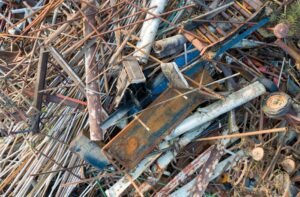
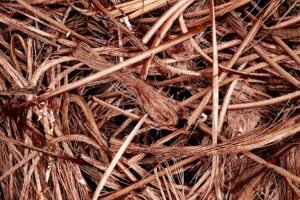
The Australian scrap industry is a vital component of the nation’s infrastructure, turning discarded materials into valuable resources. To buy junk metal successfully, you must first distinguish between ferrous and non-ferrous materials. Ferrous metals, such as iron and steel, are magnetic and generally traded in higher volumes with lower unit prices. Non-ferrous metals—like copper, aluminium, brass, and lead—carry significantly higher value and require more precise identification. Trusted dealers in Australia operate under strict environmental regulations, ensuring that the materials traded are handled sustainably. When sourcing, it is important to consider the source of your material. Is it post-industrial scrap, which is often cleaner and easier to process, or post-consumer scrap, which may require extensive sorting and cleaning? Many professionals use platforms like Scrap Trade to stay connected with the latest market movements and verified industry participants. Furthermore, for those looking to manage their own waste streams or source from local suppliers, knowing where to Scrap Metal Recycling Near Me can provide a significant logistical advantage.
Where to Find Reliable Sources for Metal
Finding a consistent supply of scrap is the biggest challenge for any buyer. You cannot simply walk into any facility and expect to purchase high-quality lots. Instead, you must build relationships with industrial manufacturers, demolition contractors, and automotive wreckers. Many large-scale buyers look for junk metal for sale via online tenders and industrial auctions. These platforms provide a transparent way to bid on bulk lots, ranging from copper cabling to structural steel beams. If you are looking to integrate your operations with local trade, you might want to Sell Scrap Metal Near Me In 2026 as a way to build rapport with yards that may eventually become your suppliers. Always perform due diligence on the seller. Are they a licensed scrap buyer? Do they have the necessary environmental permits? A professional scrap metal directory can help you identify legitimate operators who prioritize transparency and ethical sourcing.
The Valuation Process: Understanding Metal Pricing
Pricing in the scrap metal industry is not static; it is dictated by the London Metal Exchange (LME) and local supply-demand dynamics. When you are looking at junk metal prices, you must account for the purity of the metal and the cost of processing. A buyer must understand that a quoted price for “clean copper” is vastly different from the price of “burnt wire” or “copper with attachments.” Factors that influence the final purchase price include transportation costs, the volume of the material, and the current state of the global manufacturing sector. Expert buyers often hedge their positions by monitoring international commodity trends. By staying informed on junk metal prices, you can avoid overpaying for materials that might not yield a profit after processing. Remember, the price you pay is only one half of the equation; the other half is the efficiency with which you can clean, sort, and re-sell the material to a smelter or end-user.
Logistics and Processing: The Hidden Costs
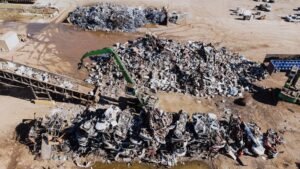
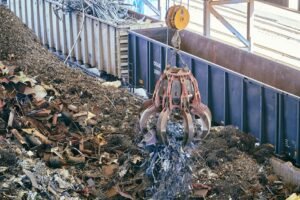
Buying the metal is only the beginning. Once you have acquired a load, you must consider the logistics of transport and processing. Moving heavy scrap requires specialized equipment, including skip bins, flatbed trucks, and potentially heavy-duty cranes. If you are buying in bulk, you must also consider the cost of storage. Scrap metal is bulky and can be a fire or environmental hazard if not stored correctly. Processing involves sorting, shearing, torch-cutting, and baling. Each step adds value to the material, turning a heap of mixed junk into a high-grade commodity ready for the furnace. Many successful traders invest in their own processing equipment to capture the “value-add” margin, rather than selling raw scrap to a larger refinery. This vertical integration is what separates a novice buyer from a seasoned industry veteran.
Regulatory Compliance and Safety in Australia
Australia has some of the most stringent environmental and safety regulations in the world regarding the handling of hazardous materials. When you buy junk, you are often taking on the responsibility for what that material contains. For example, old electronic waste (e-waste) may contain lead or mercury, while older automotive parts might be contaminated with oils or refrigerants. As a buyer, you must ensure that your facility is compliant with state-level environmental protection authority (EPA) standards. This includes proper drainage, spill containment, and record-keeping. Failure to comply can lead to massive fines and the loss of your trading license. Always ensure that your suppliers provide clear documentation regarding the origin of the scrap, especially when dealing with high-value metals that are prone to theft. Trusted dealers will always provide a clear chain of custody.
Building Long-Term Relationships with Metal Buyers
The scrap metal industry is a relationship-driven business. You will find that the best deals are rarely advertised on the open market; they are offered to those who have proven themselves to be reliable partners. To become a preferred buyer, you must be consistent with your payments, transparent about your grading standards, and professional in your logistics. When you approach a supplier, demonstrate that you understand their needs—perhaps they need a quick clearance of their yard to free up space, or they need a partner who can handle hazardous waste responsibly. By positioning yourself as a solution-provider rather than just a buyer, you will gain access to better material at better prices. This network-based approach is essential for long-term success in the Australian market, where trust is the primary currency.
Future Trends: The Rise of the Circular Economy
The future of the scrap metal industry in Australia is tied to the global push for a circular economy. As manufacturers face increasing pressure to reduce their carbon footprint, the demand for recycled metal is skyrocketing. Recycled aluminium, for instance, requires only a fraction of the energy to produce compared to primary aluminium refined from bauxite. This shift is creating new opportunities for those who know how to source and process high-quality scrap. We are also seeing an increase in the use of digital platforms to track the life cycle of metals, providing more transparency for buyers and sellers alike. By staying ahead of these trends—such as the adoption of automated sorting technology and improved tracking of material provenance—you can ensure your business remains competitive in a rapidly evolving market. The goal is to move beyond simple trading and become an integral part of the sustainable supply chain that will define the next decade of Australian industry.
Conclusion: Mastering the Art of the Purchase
Successfully navigating the scrap metal market is a blend of technical knowledge, logistical precision, and relationship management. Whether you are sourcing copper, steel, or rare alloys, the principles remain the same: verify your material, understand the market, manage your risks, and build lasting partnerships. By utilizing resources like our platform, you can stay updated on the latest industry shifts and connect with the right players. The scrap metal industry is not just about buying junk; it is about reclaiming value from the waste of the past to build the infrastructure of the future. With the right strategy, you can turn this challenging market into a highly profitable venture that contributes positively to the Australian economy.
Related: junk metal for sale
Frequently Asked Questions
What is the most important factor when buying junk metal?
The most important factor is accurate grading. Knowing exactly what alloy or material you are purchasing is critical because the price difference between high-grade copper and contaminated scrap can be significant.
How do I ensure the scrap metal I buy is legally sourced?
Always deal with licensed, reputable scrap yards and demand a clear chain of custody. Avoid ‘too good to be true’ deals from unverified sources, as these often involve stolen property.
Do I need special equipment to start buying scrap metal?
Yes, at a minimum, you need accurate scales, metal testing kits (like magnets and acid test kits), and reliable transport. As you scale, you will need processing equipment like shears or balers.
How often do scrap metal prices change?
Scrap metal prices fluctuate daily based on global commodity markets like the London Metal Exchange. It is essential to monitor these trends regularly to ensure your purchase price remains profitable.