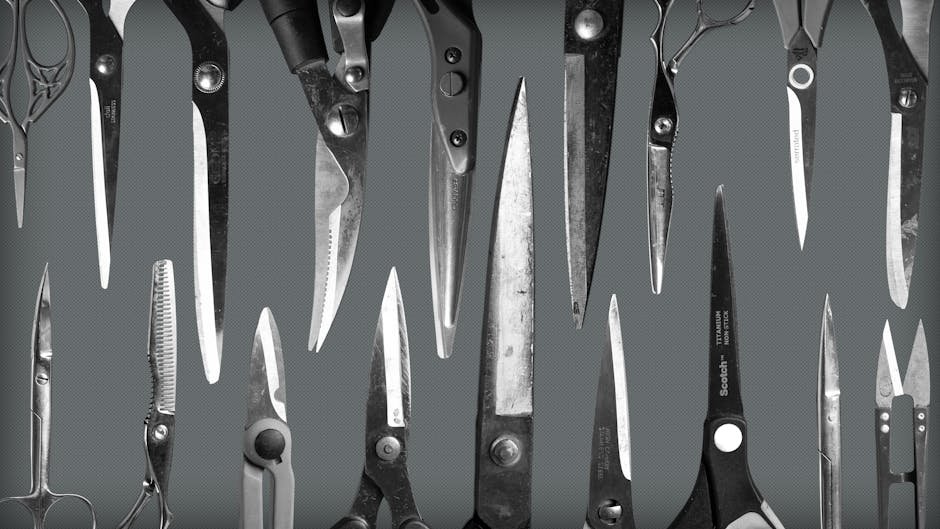

When you need to cut all scrap metal varieties, success depends on understanding the metallurgical properties of each material you handle. Whether you are processing residential aluminum, heavy industrial steel, or specialized automotive components, the ability to effectively reduce material size is the single most important skill for a profitable scrap operation. In the Australian market, where labor costs are high, efficiency in your cutting process directly impacts your bottom line. If you are looking to buy scrap metal Sydney all types competitive prices, you must first ensure your material is sized correctly for transport and smelting. Proper sizing allows for better load density, which reduces logistics costs across the board.
The Essential Toolkit: Industrial Cutting Solutions
To cut all materials safely and efficiently, your workshop requires a tiered approach to tooling. For light-gauge materials like aluminum extrusions or thin steel sheeting, a high-quality angle grinder with a 1mm or 1.6mm cutting disc is the industry standard. These discs provide a clean, narrow kerf that minimizes material loss. For those dealing with non-ferrous metals, it is vital to keep an eye on the latest market trends; check the Aluminum Scrap Price Per Kg Australia 2026 All Grades to ensure your cutting labor is justified by the current commodity value. If you are working with heavy plate steel or structural beams, an angle grinder will be too slow. In these instances, an oxy-acetylene torch or a heavy-duty hydraulic shear is necessary. Oxy-acetylene torches are the workhorse of the scrap yard, capable of cutting through thick, rusted, or coated steel that would destroy standard grinding discs. However, they require significant skill to operate without compromising the grade of the metal through excessive slag or heat-affected zones. For precision work, especially on expensive alloys, plasma cutters offer a superior finish with less heat distortion, preserving the integrity of the scrap for end-users.
Material-Specific Cutting Strategies
Not all metals react the same way to thermal or mechanical cutting. Ferrous metals, such as iron and carbon steel, are prone to oxidation when exposed to high heat. When you prepare these for the furnace, ensure your cuts are clean to avoid slag contamination. Non-ferrous metals, particularly copper and brass, are softer and can be cut effectively with cold-cutting saws. Cold saws are excellent for high-volume operations because they produce a burr-free edge and do not create sparks, significantly reducing the fire risk in your yard. For automotive recyclers, specialized tools are required. For instance, when you Buy Catalytic Converter Scrap All Makes Models 2026 Guide, you are dealing with a complex assembly of stainless steel, ceramic, and precious metals. You should never attempt to cut the ceramic core itself; instead, focus on cutting the steel piping at the weld points to preserve the integrity of the unit. This attention to detail is what separates professional scrappers from hobbyists. By refining your cutting technique, you ensure that your materials meet the strict specifications required by smelting facilities, which often pay premiums for clean, properly sized, and sorted scrap.
Safety Protocols for Professional Scrapping
Safety is the non-negotiable foundation of any scrap yard. When you cut all scrap metal types, you are exposing yourself to flying debris, extreme heat, and toxic fumes. Personal Protective Equipment (PPE) is your first line of defense. Always wear a full-face shield, heavy-duty leather gloves, and flame-retardant clothing when using thermal cutting tools. Furthermore, ensure your work area is well-ventilated. Cutting galvanized steel, for example, releases zinc oxide fumes which can cause metal fume fever; always use a respirator with the appropriate filter rating. Beyond personal safety, structural safety is paramount. Never cut into a closed vessel or a pipe that could contain pressurized gas or liquid. Always verify the contents of a tank before applying a torch. For those interested in industry-standard safety practices, you can find further resources at Scrap Trade, which provides ongoing updates on safety compliance and environmental regulations within the Australian recycling sector. By maintaining a clean and organized workspace, you reduce the risk of accidents and improve the speed at which you can process incoming loads.
Optimizing Logistics Through Strategic Sizing
The ultimate goal of cutting scrap is to maximize density. In the Australian logistics market, transport is often charged by the truckload or the skip bin. If your scrap is bulky and poorly sized, you are paying to transport air. By cutting long pieces of steel into manageable lengths, you can stack them tightly, significantly increasing the weight per cubic meter. This strategy is essential for maximizing the ROI on your transport costs. For example, when dealing with structural steel, cutting beams into 1-meter lengths allows for much higher packing density than leaving them at their original 6-meter lengths. This practice also makes it easier for the smelting facility to unload your material, which can lead to faster processing times and quicker payments. Always coordinate with your local scrap yard to understand their preferred sizing requirements. Some yards have specific dimensions for “prepared” versus “unprepared” steel, and the price difference can be substantial. Understanding these nuances allows you to tailor your cutting efforts to the specific needs of the market, ensuring you get the best possible price for your effort.
Environmental Compliance and Sustainable Processing
As the Australian scrap industry moves toward a circular economy, your processing methods must align with environmental standards. Cutting scrap is not just about size reduction; it is about contamination control. When you cut all scrap metal, you must be careful not to mix different grades. For example, do not cut aluminum on a surface that has been used for lead or battery processing. Cross-contamination can downgrade a high-value load to a generic “mixed” price, costing you significant revenue. Furthermore, ensure that all fluids are drained from equipment before you begin cutting. Oils, coolants, and hydraulic fluids are hazardous and must be disposed of according to local environmental laws. By adopting sustainable processing habits, you not only protect the environment but also build a reputation as a reliable and professional supplier. For more information on local compliance and best practices, visit Scrap Trade Australia to stay updated on the latest industry standards. Professionalism in your processing methods will ultimately open doors to long-term contracts with larger industrial clients who value consistency and environmental responsibility.
Advanced Cutting Techniques for High-Value Alloys
When dealing with high-value alloys such as titanium, nickel-based superalloys, or specialized stainless steels, traditional cutting methods may not suffice. These materials are often heat-sensitive and can lose their metallurgical properties if exposed to extreme temperatures. In these cases, waterjet cutting or diamond-blade sawing is preferred. While these tools require a higher initial investment, they allow for high-precision cuts that preserve the value of the scrap. If you are a high-volume trader, investing in specialized equipment can lead to a significant competitive advantage. You will be able to process materials that others cannot, allowing you to capture higher margins. Additionally, consider the value of the “cut-offs” or “drops” from your processing. Even small pieces of high-grade alloy have significant value. Maintain a separate collection bin for these high-value remnants. By treating your scrap yard like a precision manufacturing facility, you maximize the recovery rate of every kilogram of metal that passes through your gates. This comprehensive approach to material management ensures that you are not just a scrap collector, but a vital link in the Australian manufacturing and recycling supply chain.
Conclusion: Building a Profitable Scrap Operation
Mastering the ability to cut all scrap metal is a journey of continuous improvement. It requires a deep understanding of metallurgy, a commitment to safety, and an eye for logistics. By utilizing the right tools for the right job, adhering to strict safety protocols, and optimizing your loads for transport, you position yourself to thrive in the competitive Australian scrap market. Remember that the market is always evolving; stay informed about pricing trends and regulatory changes to ensure your business remains agile. Whether you are a small-scale operator or managing a large-scale recycling facility, the principles of efficient sizing and contamination control remain the same. Take the time to invest in your equipment and your knowledge, and you will see the results in your bottom line. As you continue to refine your processes, you will find that the scrap metal industry offers immense potential for those who are willing to put in the work to do it right. By focusing on quality, safety, and efficiency, you are not just cutting metal; you are contributing to a more sustainable future for Australia.
Frequently Asked Questions
What is the best tool to cut all scrap metal types?
There is no single tool for every metal; however, a high-torque angle grinder is the most versatile for general scrap. For heavy structural steel, an oxy-acetylene torch is required, while non-ferrous alloys are best handled with cold-cutting saws or plasma cutters.
How does cutting scrap metal improve my profit margin?
Cutting scrap increases density, allowing you to fit more weight into a single transport load, which lowers logistics costs. Additionally, sizing scrap to meet specific mill requirements often qualifies your material for higher ‘prepared’ grade pricing.
What safety precautions should I take when cutting scrap?
Always use appropriate PPE, including a face shield, flame-retardant clothing, and a respirator for fumes. Ensure the area is well-ventilated and verify that no closed vessels or hazardous materials are inside the scrap before applying heat.
How do I prevent cross-contamination when processing scrap?
Use separate cutting areas or surfaces for different metal types to avoid mixing residues. Always drain fluids from equipment before cutting and sort your scrap into clearly labeled bins immediately after processing.