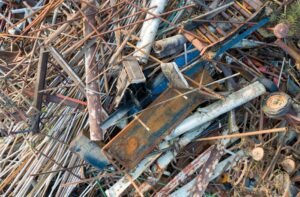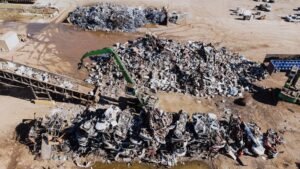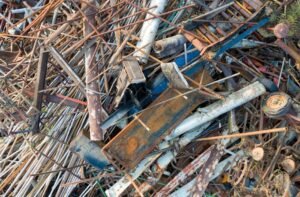

Learning how to get cash for scrap effectively is a blend of market knowledge, logistical efficiency, and understanding the intrinsic value of industrial materials. In the Australian market, scrap metal is not merely waste; it is a vital commodity that powers the circular economy. Whether you are a tradesperson, a construction site manager, or a household owner clearing out a shed, the ability to turn discarded metal into liquid capital requires a systematic approach. When you decide to get cash for scrap, you are participating in a global supply chain that transforms raw, used metal into high-grade industrial feedstock. To succeed, you must move beyond simple collection and start thinking like a trader. This guide provides the authoritative framework needed to navigate the Australian scrap industry, ensuring you understand how to maximize your payouts while adhering to environmental best practices.
Understanding Metal Grades and Market Valuation
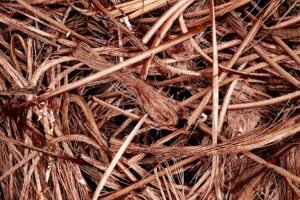
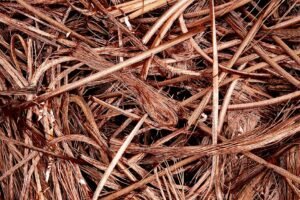
The foundation of any profitable recycling strategy is the accurate classification of metals. Scrap yards do not pay a flat rate; they pay based on purity, weight, and the specific chemical composition of the alloy. Understanding these grades is the primary way to ensure you get cash for scrap at the highest possible market rate. Ferrous metals, which contain iron, are generally lower in value but higher in volume. This category includes steel, cast iron, and wrought iron. Non-ferrous metals, such as copper, aluminum, brass, and stainless steel, command significantly higher prices due to their scarcity and the energy-intensive nature of their primary extraction. For instance, bright shiny copper wire is the gold standard of the scrap world, consistently fetching the highest prices because it requires minimal processing before it can be melted down and reused. Conversely, ‘dirty’ copper—which contains solder, paint, or plastic insulation—will be downgraded, drastically reducing your payout. To avoid this, invest time in stripping insulation from cables and separating brass fittings from aluminum housings. This is the difference between a amateur collector and a professional. If you are managing large volumes, consider utilizing a B2b Scrap Trading Platform to gain better visibility into market trends and bulk pricing structures. Knowing the grade allows you to negotiate with confidence.
The Mechanics of Professional Metal Recycling
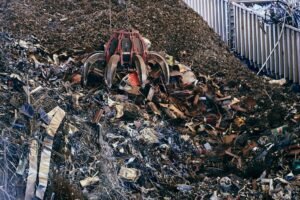
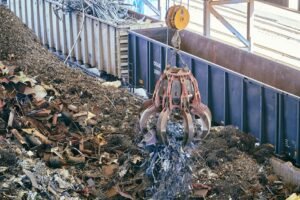
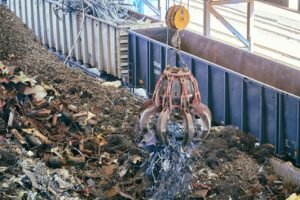
The recycling process is a sophisticated industrial operation designed to recover maximum value from discarded items. Once your metal reaches a facility, it undergoes a rigorous sequence of inspection, sorting, and processing. The first stage is the weigh-in, where the material is assessed for weight and contamination. This is why cleaning your scrap is critical; any non-metal debris is deducted from the total weight, effectively lowering the price per kilogram. Following the weigh-in, the metal is processed through shears, shredders, or balers. These machines reduce the volume of the material, making it easier to transport and feed into furnaces. For those who lack the equipment or the vehicle capacity to transport heavy loads, services that Pick Up Scrap Metal For Cash Near Me can be a game-changer. These services often provide specialized bins or skip services for construction sites, which helps in segregating materials at the source. Efficient segregation is the key to profitability. If you mix your high-value copper with low-value steel, the entire load may be priced at the lower rate. Always aim to keep your grades separate during the collection process. For more detailed insights on how to optimize your workflow, check out our guide on Get Scrap: Grades, Recycling Process & Environmental. By understanding the mechanical reality of the recycling plant, you can tailor your preparation methods to ensure your materials are ‘mill-ready,’ which is the most highly valued state for any scrap yard.
Maximizing Returns and Avoiding Common Pitfalls
Many individuals lose money simply because they do not understand how to navigate the local scrap market. The first rule is to track commodity prices. Just as the stock market fluctuates, metal prices change daily based on global demand, particularly from manufacturing hubs in Asia. If you have a large quantity of a specific metal, it is often worth waiting for a price peak before selling. Furthermore, always ensure you are dealing with a reputable, licensed yard. A professional yard will provide a clear, transparent breakdown of the weight and grade of the material they are purchasing. If you are looking for the best local options, use our resource for Scrap For Cash Near Me How To Get Paid Fast Without Losing Value. This resource helps you identify yards that prioritize fair pricing and fast processing. Avoid the temptation to sell to unlicensed, ‘cash-in-hand’ operators who often offer lower rates and operate outside of environmental regulations. Legitimate businesses are regulated by the Australian Environment Protection Authority (EPA) and are required to maintain strict records, which protects both the seller and the environment. Additionally, always keep a record of your sales. If you are operating a business, these records are essential for tax purposes and for demonstrating your commitment to sustainable waste management. For broader industry information, you can also visit Scraptrade.com.au to stay updated on national standards and industry news.
Environmental Benefits and the Circular Economy
Recycling metal is one of the most effective ways to reduce the environmental footprint of modern industry. The energy required to recycle aluminum, for example, is approximately 95% less than the energy required to produce it from raw bauxite ore. This massive reduction in energy consumption directly translates to lower carbon emissions. When you choose to recycle, you are actively participating in the reduction of landfill waste and the conservation of finite natural resources. Mining is an invasive and destructive process; by keeping metal in the circular economy, we reduce the need for new mines and the associated habitat destruction. Furthermore, recycling prevents hazardous materials from leaching into the soil and groundwater. Old electronic waste, for instance, contains heavy metals that require specialized handling. By taking your scrap to a professional facility, you ensure these materials are managed in accordance with Australian environmental laws. This commitment to sustainability is increasingly important for businesses, as clients and stakeholders are now prioritizing partners who demonstrate strong ESG (Environmental, Social, and Governance) credentials. By choosing to recycle, you are not just making money; you are contributing to a more sustainable future for Australia.
Logistics and Scalability for Businesses
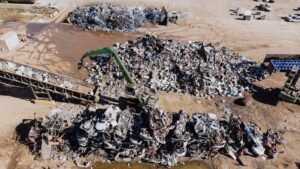
For industrial clients, construction firms, and demolition contractors, the challenge is not just finding a buyer, but managing the logistics of large-scale scrap removal. Scaling your scrap operations requires a strategic approach. Consider the volume of your waste streams and the frequency of your pickups. If you generate consistent amounts of scrap, it is often more cost-effective to lease a skip bin from a scrap metal specialist. This allows for on-site segregation, which ensures that your high-value materials are not contaminated by general site waste. Furthermore, many professional scrap partners offer customized collection schedules that can be integrated into your site management plan. This minimizes downtime and ensures that your site remains clean and safe. When dealing with high-volume scrap, documentation is key. Ensure that you receive weighbridge dockets for every load, as these are your proof of weight and the basis for your payment. If you are managing multiple sites, centralizing your scrap management through a professional partner can provide significant administrative savings and better price stability. Remember that in the world of scrap, volume is leverage. The more you can provide in a clean, sorted, and consistent manner, the better your negotiating position will be with your scrap merchant. This is why many successful businesses treat their scrap metal as a secondary revenue stream rather than a waste management cost.
Future Trends in the Australian Scrap Industry
The Australian scrap metal industry is currently undergoing a significant transformation driven by technology and increased regulation. Digitization is at the forefront of this change. From mobile apps that track metal prices in real-time to advanced sensor-based sorting technologies used in large-scale facilities, the industry is becoming more transparent and efficient. We are also seeing a shift toward more stringent quality controls. As global manufacturers demand higher purity levels in recycled alloys, scrap yards are investing in X-ray fluorescence (XRF) analyzers to instantly determine the exact chemical composition of metal pieces. This technology ensures that alloys are not mixed, which maintains the integrity of the material for high-end manufacturing. For the individual collector or business owner, this means that accuracy is more important than ever. You can no longer rely on guesswork; you must know exactly what you are selling. Furthermore, the push for a ‘Net Zero’ economy in Australia is driving increased demand for recycled metals. As manufacturers look to lower the embodied carbon in their products, they are increasingly turning to recycled steel and aluminum. This long-term trend suggests that the demand for scrap metal will remain strong, providing a stable market for those who understand how to navigate it professionally. Stay ahead of the curve by continuously educating yourself on these shifts and adapting your collection and sorting processes to meet the higher standards of the modern market.
Frequently Asked Questions
What is the most valuable scrap metal to collect?
Copper is consistently the most valuable scrap metal due to its high demand in electrical and plumbing industries. Specifically, clean, bright copper wire fetches the highest prices because it is free of insulation and impurities.
How does the price of scrap metal change?
Scrap metal prices are driven by global commodity markets, similar to gold or oil. Factors such as industrial demand, supply chain availability, and international manufacturing output cause daily or weekly fluctuations in the rates paid by scrap yards.
Do I need to clean my scrap before taking it to a yard?
Yes, cleaning your scrap is essential to maximize your profit. Removing non-metal attachments like plastic, rubber, or wood prevents the yard from downgrading your material or deducting weight, ensuring you receive the highest price per kilogram.
How can I find a reliable scrap metal buyer?
Look for licensed facilities that operate in compliance with local environmental regulations and offer transparent weighing processes. You can use professional platforms or local directories to find reputable buyers who provide fair, market-based pricing and reliable collection services.