
Understanding how to get scrap is the foundational step for anyone looking to engage with the vibrant and economically significant scrap metal industry in Australia. It’s a process that involves far more than simply collecting old metal; it’s about knowing where to find valuable materials, how to correctly identify and grade them, and comprehending the intricate journey they take through the recycling chain. This knowledge is power, whether you’re a sole trader looking to supplement your income, a business managing industrial waste, or simply an environmentally conscious citizen. Mastering how to get scrap effectively means contributing to a robust circular economy that conserves natural resources, reduces landfill waste, and significantly lowers greenhouse gas emissions compared to primary metal production.
Understanding the Scrap Metal Landscape in Australia
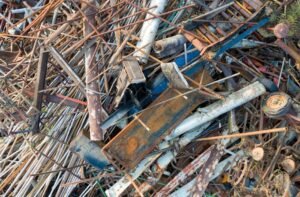
The Australian scrap metal industry is a multi-billion dollar sector that forms a critical pillar of the nation’s manufacturing and environmental management infrastructure. It operates within a well-defined framework of local, state, and federal regulations designed to prevent theft and ensure safe, ethical trading practices. Before you begin, familiarizing yourself with the basics of What Is Scrap Trade is essential. The industry categorizes metal into two primary types: ferrous and non-ferrous. Ferrous scrap contains iron and is magnetic; common examples include steel and cast iron from demolished buildings, old cars, and machinery. Non-ferrous scrap, which is non-magnetic, includes highly valuable metals like copper, aluminium, brass, and stainless steel, often found in electrical wiring, plumbing, and consumer electronics.
Where to Source Scrap Metal: A Guide to Finding Treasure
The first practical step in learning how to get scrap is knowing where to look. Sources range from everyday household items to large-scale industrial waste streams.
- Domestic Sources: Start at home. Common household scrap includes old appliances (whitegoods), broken electronics (e-waste), copper piping from renovations, aluminium window frames, food and beverage cans, and worn-out tools.
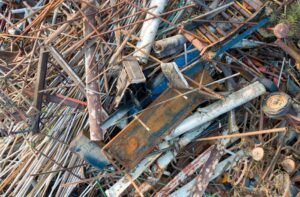
- Commercial and Industrial Sources: This is where larger volumes are found. Factories generate production off-cuts, worn-out machinery, and metal packaging. Construction and demolition sites are treasure troves of structural steel, rebar, copper wiring, and aluminium cladding. Automotive repair shops discard old car parts, exhaust systems, and batteries.
- Professional Sourcing: For serious traders, establishing relationships with businesses is key. This is often referred to as scrap trading, where you arrange to regularly collect scrap from workshops, manufacturers, and plumbers, providing them with a convenient waste solution and you with a steady supply.
- Tips: Always obtain scrap metal legally and ethically. Never take items from a worksite, bin, or roadside without explicit permission. Building a network is crucial for consistent sourcing.
The Crucial Step: Grading and Sorting Your Scrap
Not all scrap is created equal. Its value is directly determined by its grade—a classification based on the metal’s type, purity, and form. Mixing different metals or grades, known as ‘cross-contamination,’ will significantly reduce the value of your entire load. Here’s a breakdown of common grades:
- Copper: The king of non-ferrous scrap. #1 Copper (clean, uncoated wire and pipe) commands the highest price. #2 Copper (solder-coated or slightly dirty) is next, followed by Copper Wire (insulated).
- Aluminium: Extruded Aluminium (clean window frames) is premium. Cast Aluminium (engine blocks, lawnmower bodies) is another common grade. Dirty or painted aluminium is less valuable.
- Brass: Often separated into Clean Brass (plumbing fixtures) and Dirty Brass (contains other metals like iron).
- Stainless Steel: Graded by series (e.g., 304 vs. 316). It must be separated from regular steel.
- Preparing Your Scrap: To maximize value, invest time in preparation. Remove any non-metal attachments like plastic, rubber, or insulation. Use a magnet to quickly separate ferrous (which sticks) from non-ferrous (which doesn’t) metals. Sorting your load into distinct, clean grades before you Sell Scrap will ensure you get the best possible price per kilogram.
The Step-by-Step Process: How to Get Scrap and Recycle It
The journey from waste material to new product is a fascinating and efficient industrial process. Here is a detailed, numbered guide to the entire lifecycle.
- Sourcing and Collection: The cycle begins with the acquisition of scrap metal from the sources outlined above. This can be an individual collecting a small load or a professional operation with trucks and bins servicing commercial clients.
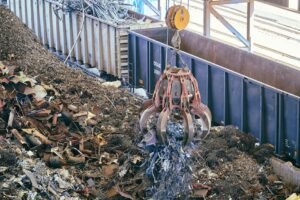
- Sorting and Grading: This is the most critical step for maximizing value. Once collected, the scrap must be meticulously sorted by metal type and grade. This is often done at a yard or depot using manual labour, magnets, and advanced sensor-based sorting technology like eddy current separators and spectrometers.
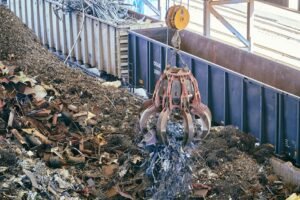
- Processing and Preparation: To make the melting process more efficient, large pieces of scrap are often reduced in size. Shears cut thick steel beams, balers compress light-gauge metals into compact blocks, and shredders use powerful hammers to tear apart cars and appliances into small, fist-sized pieces.
- Transportation to the Mill: The processed and graded scrap is then transported in large quantities to a steel mill or foundry. These facilities are equipped with massive furnaces designed to melt metal on an industrial scale.
- Melting and Purification: The scrap is charged into a furnace—such as an Electric Arc Furnace (EAF) for steel—and melted at extremely high temperatures. During this melt, metallurgists can sample the molten metal and add alloys to achieve the exact chemical composition required for the new product.
- Forming New Products: The molten metal is cast into new forms, such as ingots, billets, or slabs. These semi-finished products are then sent to manufacturing plants where they are rolled, forged, or drawn into final products like new steel beams, aluminium cans, copper wiring, or car parts.
The Powerful Environmental Benefits of Scrap Recycling
Choosing to recycle scrap metal is one of the most impactful green decisions an individual or business can make. The environmental advantages are staggering and provide a powerful incentive for learning how to get scrap.
- Massive Energy Savings: Recycling metal uses a fraction of the energy required to produce new metal from virgin ore. For example, recycling aluminium saves up to 95% of the energy needed for primary production. Recycling steel saves about 60-75%. This drastically reduces the reliance on fossil fuels and lowers the carbon footprint of metal production.
- Conservation of Natural Resources:
Mining for metal ores is a destructive process that involves clearing land, creating open-pit mines, and generating vast amounts of waste rock. By using existing scrap metal as a raw material, we conserve natural habitats, reduce soil erosion, and preserve finite resources for future generations. Every ton of steel recycled conserves 1,100 kg of iron ore, 630 kg of coal, and 55 kg of limestone.
Reduction of Landfill Waste:
Metal is permanent; it does not decompose in a landfill. Diverting scrap metal from the waste stream saves enormous amounts of landfill space and prevents potential soil and water contamination from metals leaching over time. The team at Scrap Trade emphasizes that responsible recycling is key to managing Australia’s waste sustainably.
Lower Greenhouse Gas Emissions:
The significant energy savings directly translate to a massive reduction in greenhouse gas emissions, including carbon dioxide (CO2). The steel industry, for instance, has stated that recycling one ton of steel prevents the emission of 1.5 tons of CO2. This makes the scrap industry a vital player in the global fight against climate change.
Practical Tips for Maximizing Your Scrap Yield and Profit
Whether you’re a hobbyist or a professional, these tips will help you operate more efficiently and safely.
- Invest in Basic Tools: A strong magnet is indispensable for identifying ferrous metals. A set of metal-cutting tools like bolt cutters and a decent pair of gloves and safety glasses are essential for safe handling.
- Know Before You Go: Research your local Scrap yards. Call ahead to confirm their accepted materials, current pricing, and procedures. Prices fluctuate daily based on global commodity markets.
- Prioritize Safety: Be extremely cautious when handling scrap. Watch for sharp edges, exposed wires (ensure they are not live), and heavy objects. Never attempt to remove scrap from a dangerous location like an unstable pile or an active worksite.
- Build Relationships: If you plan to get scrap regularly, building a good relationship with yard operators and commercial suppliers is invaluable. Being known as a reliable, honest, and safe operator can lead to better access and better deals.
- Stay Legal: Always comply with Australian laws. You will need to provide 100 points of ID when selling scrap to help yards combat metal theft. Keep records of your transactions.
Conclusion: Your Role in the Circular Economy
Understanding how to get scrap is more than a manual for making money; it’s an initiation into a critical and sustainable cycle. By responsibly sourcing, sorting, and selling scrap metal, you become an active agent in the circular economy—a system designed to eliminate waste and continually reuse resources. You are directly contributing to energy conservation, environmental protection, and the creation of a greener, more sustainable future for Australian manufacturing. The journey of a piece of scrap, from its first life to its rebirth in a new product, is a powerful story of renewal, and you can be a part of it. Start small, learn the grades, prioritize safety, and connect with the professional community at Scrap.Trade, Australia’s leading platform for scrap metal trading and recycling information.
Frequently Asked Questions
Do I need a license to collect and sell scrap metal in Australia?
While individuals selling small, personally collected amounts typically don’t need a specific license, laws vary by state. If you are operating as a business, collecting scrap commercially, or transporting large quantities, you will likely need a relevant waste transport or trader license. Always check with your local state government regulations (e.g., EPA) to ensure full compliance.
What is the most valuable type of scrap metal I can find?
Clean, unalloyed copper is almost always the most valuable common scrap metal due to its high conductivity and widespread use in electrical applications. After that, other non-ferrous metals like brass, clean aluminium, and certain grades of stainless steel hold significant value. Precious metals from e-waste, like gold and silver, can be extremely valuable but are difficult to extract in quantity.
How does preparing my scrap metal affect the price I get?
Preparation is directly linked to price. A yard pays for pure metal, not for attached plastic, rubber, insulation, or other contaminants. By carefully sorting your metals into clean, distinct grades and removing any non-metallic items, you ensure you are paid the top-tier rate for that specific metal. A dirty, mixed load will always be paid at the lowest grade rate or even rejected.
Why is recycling scrap metal better for the environment than mining?
Recycling metal is dramatically more efficient. It requires up to 95% less energy than mining and processing virgin ore, leading to a massive reduction in greenhouse gas emissions. It also conserves natural habitats by reducing the need for destructive mining operations and diverts significant waste from overcrowded landfills, preventing soil and water contamination.