
Finding the best price for scrap metal near me is a goal for both professional contractors and household recyclers looking to turn waste into profit. The scrap metal industry in Australia is a complex global market, heavily influenced by industrial demand, supply chain logistics, and the purity of the materials being traded. Because prices fluctuate daily, understanding how the market operates is the first step toward maximizing your earnings. Whether you are clearing out a shed or managing industrial waste, knowing the difference between ferrous and non-ferrous metals is essential to securing a fair deal.
Understanding the Market: How Prices Are Set
The global metal market is dynamic, with values determined by the London Metal Exchange (LME). In Australia, local recyclers adjust their offerings based on these global benchmarks, adjusted for currency exchange rates, shipping costs, and local demand. When you search for the Best Scrap Metal Prices Near Me, you are essentially looking for a facility that offers the most competitive margin against these global indices. Factors such as the cost of energy, the price of iron ore, and the manufacturing health of nations like China directly impact the market rate you receive at the scale.
A local scrap yard typically publishes a price list, but these are often base rates. High-volume suppliers often negotiate a premium above the standard price per kg or price per tonne. To understand how these numbers move, consider the geopolitical landscape. If global supply chains are disrupted, scrap becomes a vital resource for manufacturers who cannot access raw ore, driving up prices. Conversely, when the economy slows, demand for raw materials drops, leading to a softening of metal prices today. Staying informed via a reliable scrap metal trading platform can provide you with the data needed to time your sale for maximum profit.
The Importance of Grading: Ferrous vs. Non-Ferrous
Not all scrap is created equal. To get the best price for scrap metal near me, you must understand the grading system. Metals are broadly categorized into two types: ferrous and non-ferrous.
- Ferrous Metals: These contain iron and are magnetic. Examples include mild steel, carbon steel, and cast iron. While these are usually sold in larger quantities, the price per tonne is generally lower than non-ferrous options.
- Non-Ferrous Metals: These are highly prized for their conductivity and resistance to corrosion. Copper, brass, aluminium, and lead fall into this category. If you are specifically looking for information on high-value materials, check out our guide on Scrap Copper Near Me Where To Sell Copper Scrap For The Best Price.
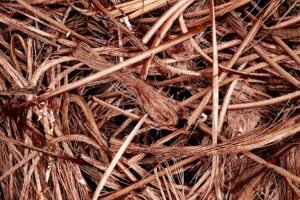
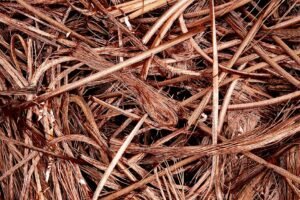
Within these categories, purity is the defining factor for price. A piece of copper pipe with solder, insulation, or plastic attachments will be downgraded to a lower grade, fetching a lower price than clean, bright wire. Always strip your wires and remove plastic or rubber attachments to ensure you receive the top-tier current scrap prices for your inventory.
Factors Affecting Your Payout
Beyond the raw commodity price, several practical factors dictate your final payout at a nearby recycler. The first is volume. Recyclers prefer dealing with large, consistent loads because they are cheaper to process and transport. If you are a small-scale seller, consider stockpiling your material until you have a significant weight, which may grant you access to better pricing tiers.
Contamination is the enemy of profit. If you bring a load of aluminium that is heavily mixed with steel bolts or plastic, the yard must spend time and energy separating these materials. They will pass this cost on to you by offering a lower rate. If you are dealing with specialized alloys, you might be interested in the current stainless scrap metal price, which varies significantly based on the nickel and chromium content. Furthermore, if you are looking for localized data, such as a scrap metal price sydney update, ensure you are checking sources that reflect the specific logistical costs of your region.
The Global Perspective: Sourcing and Exporting
Australia plays a significant role in the global recycling ecosystem. While much of the scrap collected is processed domestically, a significant portion is exported to manufacturing hubs. Understanding the supply chain helps you appreciate why prices move the way they do. For those interested in the broader industry, reading about the Best Countries To Source Scrap Metal provides insight into where your materials eventually end up. By participating in the recycling market, you aren’t just making money; you are part of a circular economy that reduces the need for destructive open-pit mining.
For professional traders or businesses looking to manage large-scale recycling operations, utilizing a digital platform like Scrap Trade Australia can streamline the process of finding buyers and tracking market trends. These platforms bridge the gap between small collectors and large-scale industrial consumers, ensuring that the market rate is transparent and fair for all parties involved.
How Recycling Works: From Yard to Industry
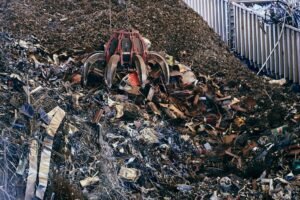
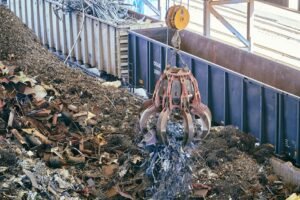
The lifecycle of scrap metal is a marvel of industrial efficiency. Once you drop off your scrap at a nearby recycler, the material is weighed and inspected. It is then sorted, often using advanced technology like X-ray fluorescence (XRF) analyzers to determine exact chemical composition. Once sorted, the metal is shredded or sheared into smaller pieces to increase density, making it easier to transport.
These processed materials are then melted down in furnaces, where they are refined and cast into ingots or billets. These ingots become the raw material for new products, ranging from automotive parts to construction beams. This process uses significantly less energy than refining virgin ore. For instance, recycling aluminium saves roughly 95% of the energy required to produce new aluminium from bauxite. By selling your scrap, you are directly contributing to a lower carbon footprint and a more sustainable future.
Maximizing Your Returns: Practical Tips
To consistently secure the best price for scrap metal near me, adopt these professional habits:
- Sort and Separate: Never mix your metals. Keep your copper separate from your aluminium, and keep your clean metals separate from your “dirty” (contaminated) metals.
- Clean Your Scrap: Remove plastic, wood, and rubber. The time spent cleaning is usually rewarded with a higher price per kg.
- Check the Timing: If you have a large amount of a specific metal, keep an eye on the market. If prices are trending upward, it might be worth waiting a week or two to sell.
- Build Relationships: If you are a regular supplier, talk to the yard manager. Establishing a relationship often leads to better communication regarding price fluctuations and potential volume bonuses.
- Use Digital Tools: Leverage apps and websites that provide real-time updates on metal prices today so you aren’t walking into a yard blind.
Being prepared is the most effective way to ensure you aren’t being short-changed. Always ask for a breakdown of the weight and the grade assigned to each material before the final transaction is processed.
Environmental Benefits of Scrap Recycling
The environmental impact of recycling is profound. Mining virgin metals involves massive land disturbance, water pollution, and high energy consumption. By recycling, we keep millions of tonnes of metal out of landfills and reduce the demand for new mining operations. Every kilogram of recycled metal represents a reduction in greenhouse gas emissions and a preservation of natural resources.
Furthermore, the scrap metal industry is a major employer in Australia, supporting thousands of jobs in collection, processing, and logistics. When you choose to recycle your metal rather than throwing it in a general waste skip, you are supporting a vital industry that is essential for the transition to a green economy. It is a win-win scenario: you get paid for your effort, and the planet benefits from reduced industrial waste.
The Future of Metal Trading
The industry is currently undergoing a digital transformation. We are seeing more transparency in pricing and easier access to global market data. As sustainability becomes a core focus for corporations, the demand for recycled metal is set to increase. This will likely lead to more competitive pricing and more sophisticated sorting technologies at local yards. Keeping yourself updated with the latest trends via industry-leading platforms is the best way to stay ahead of the curve.
In conclusion, finding the best price for your scrap isn’t just about luck; it’s about preparation, knowledge, and choosing the right partners. By understanding the grading system, keeping your materials clean, and staying informed about global market shifts, you can turn your scrap metal into a reliable source of income while contributing to a healthier, more sustainable world. Always remember to check with your local scrap yard for their specific requirements and current rates before you make your trip.
Frequently Asked Questions
How can I find the best price for scrap metal near me?
To find the best price, compare the daily rates of several local scrap yards and check online platforms for current market trends. Always ensure your scrap is sorted and clean to qualify for the highest grade pricing.
Does the price of scrap metal change every day?
Yes, scrap metal prices are highly volatile and fluctuate based on global commodity markets, supply and demand, and currency exchange rates. It is recommended to check the market rate on the day you plan to sell.
What is the difference between ferrous and non-ferrous scrap?
Ferrous metals contain iron and are magnetic, such as steel and iron, and generally have a lower value. Non-ferrous metals do not contain iron, such as copper, aluminium, and brass, and are typically more valuable.
How does cleaning my scrap metal increase the price?
Cleaning scrap by removing non-metal attachments like plastic, rubber, or wood increases the purity of the material. Recyclers pay more for ‘clean’ scrap because it requires less processing and labor to prepare for melting.