
When you decide to recycle carbide drills, you are not just managing industrial waste; you are participating in a critical circular economy that preserves rare earth metals. Tungsten carbide, a composite material prized for its extreme hardness and thermal resistance, is a cornerstone of modern manufacturing. Because virgin tungsten mining is energy-intensive and environmentally taxing, reclaiming these materials from industrial scrap is essential. Whether you are a small machine shop or a large-scale manufacturer, understanding the lifecycle of your cutting tools allows you to turn overhead expenses into revenue streams.
The Critical Importance of Carbide Tool Recovery
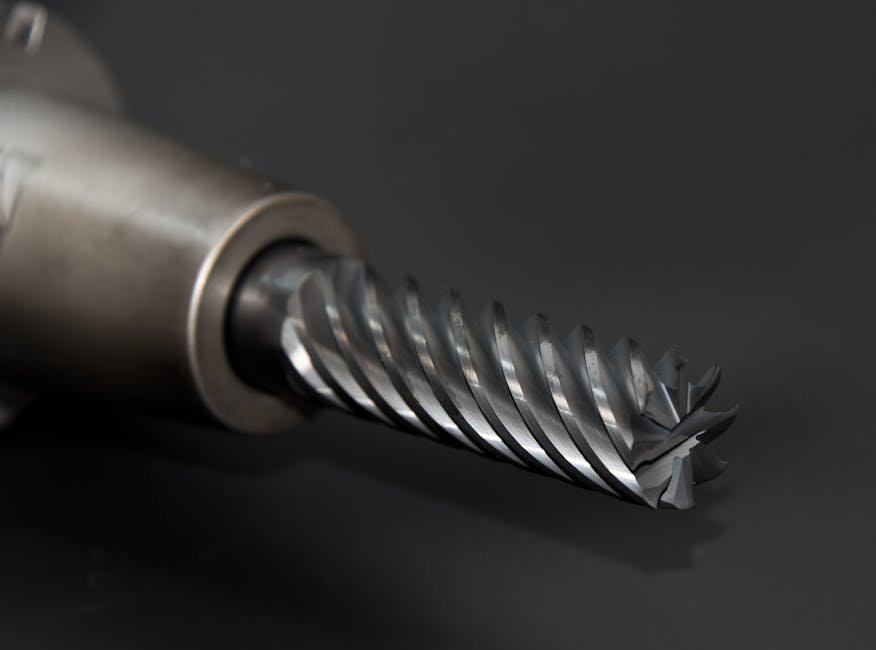
Tungsten carbide is not a simple alloy; it is a complex matrix of tungsten carbide particles bonded by a cobalt binder. This unique composition makes it incredibly difficult to mine and process from raw ore. When companies fail to recycle their used inserts, end mills, and drills, they essentially throw away a high-value commodity. The global demand for tungsten continues to rise, driven by its necessity in aerospace, automotive, and mining sectors. By choosing to scrap carbide drills, you are ensuring that these materials are re-processed into new high-performance tools, effectively reducing the need for destructive mining practices.
Furthermore, the economic incentive is substantial. The scrap value of carbide is significantly higher than that of standard steel or aluminum scrap. Because the material is dense and contains high concentrations of cobalt and tungsten, specialized recyclers are willing to pay a premium for clean, sorted material. If you are looking to maximize your returns, you must understand the fundamentals of Carbide Recycling How To Recover Sell And Profit. This involves more than just dumping tools into a bin; it requires rigorous sorting to remove contaminants like brazed steel shanks or ceramic inserts, which can lower the value of your shipment.
The Industrial Recycling Process: From Scrap to New Tool
The journey of a recycled carbide drill is a marvel of modern chemical engineering. Once your material reaches a professional recycling centre, it undergoes a series of sophisticated steps. The most common method for industrial-scale recovery is the Zinc Process. In this method, the scrap is immersed in molten zinc, which reacts with the cobalt binder. This causes the carbide matrix to swell and disintegrate, allowing the manufacturer to reclaim the tungsten carbide powder in its raw form. This powder is then milled, re-blended with virgin materials, and pressed into new tool shapes.
Alternatively, chemical leaching processes are used to separate the cobalt from the tungsten, allowing for even higher purity levels. Understanding this process helps you see why contamination is such a significant issue. If your scrap pile is riddled with steel, brass, or plastic, the recycling facility must invest extra labor and energy to separate these materials. By learning Scrap Processing How To Efficiently Recycle And Maximize Profit, you can ensure your material is “clean,” which directly correlates to the price per kilogram you receive. Always aim to keep your carbide separate from other metal streams to ensure the highest purity and, consequently, the highest payout.
Drop-Off vs. Pickup: Choosing the Right Logistics
For many businesses, the logistics of moving heavy industrial scrap are the biggest hurdle. When you have a significant volume of scrap carbide drills, you have two primary options: a dedicated drop-off or a professional pickup service. A drop-off at a local facility is often the fastest way to get paid. You can bring your material directly to the scales, have it weighed in your presence, and receive an immediate valuation. This is ideal for smaller shops or those with irregular scrap generation patterns.
However, for larger operations that generate consistent waste, a scheduled pickup service is the gold standard. A professional service will provide you with secure, heavy-duty containers to store your carbide. Once full, they will transport the material to their processing facility. This method is not only more convenient but often safer for your staff, as it minimizes the need for manual handling of sharp cutting tools. If you are managing large volumes, consider the long-term benefits of a tailored collection schedule. You can find more information on managing your industrial waste streams at scrap metal recycling experts in Australia.
Environmental Impact and Sustainable Manufacturing
The environmental footprint of mining virgin tungsten is massive. It involves open-pit mining, extensive chemical processing, and massive water usage. By contrast, recycling existing carbide uses roughly 70% less energy than producing new tungsten from ore. This is a critical metric for companies aiming to improve their ESG (Environmental, Social, and Governance) scores. When you recycle your tools, you are directly contributing to a reduction in carbon emissions associated with the global tool supply chain.
This sustainability push extends beyond just carbide. Modern recycling facilities are now integrated hubs that handle everything from Metal Disposal How To Recycle Responsibly And Profitably to complex auto parts recovery. When a vehicle reaches its end of life vehicle (ELV) stage, it is processed by car wreckers who strip the machine of all recyclable components. Integrating your carbide recycling into this broader ecosystem allows for a more streamlined approach to waste management. By viewing your shop’s waste as a resource rather than a liability, you align your business with the future of sustainable manufacturing.
Maximizing Your Returns: Sorting and Storage Tips
To get the best price for your carbide, you must treat your scrap like a high-value asset. Start by establishing a segregation protocol at the machine level. Operators should have a dedicated bin for carbide inserts and drills, separate from the general steel swarf or coolant-soaked waste. Contamination is the enemy of profit. A single piece of high-speed steel (HSS) mixed into a batch of carbide can trigger a lower grading for the entire shipment.
Storage also plays a role in your bottom line. Keep your containers in a dry, secure location. While carbide is corrosion-resistant, excess coolant, oil, or sludge adds weight that isn’t paid for and makes the material harder to process. If you are dealing with large volumes, talk to your recycling partner about the specific grades they are looking for. Some facilities pay more for specific tungsten-cobalt ratios or for “clean” carbide that is free from brazing materials. Taking the time to understand these nuances will significantly improve your bottom line over the course of a year.
The Future of Carbide Recycling in Australia
Australia is uniquely positioned to lead in the circular economy, particularly in the mining and manufacturing sectors. As we move away from a “take-make-dispose” model, the infrastructure for recycling is expanding rapidly. We are seeing more investment in local processing facilities that can handle complex alloys, reducing the need to export scrap overseas. This local processing capability is a win-win: it reduces transport-related emissions and keeps the economic value of the material within the local economy.
As technology evolves, we expect to see more automated sorting technologies, such as X-ray fluorescence (XRF) scanners, becoming standard at local facilities. These scanners can instantly identify the chemical composition of a tool, ensuring that you receive the exact market value for the specific grade of carbide you are recycling. By staying ahead of these trends and partnering with forward-thinking recyclers, your business can remain competitive while doing its part for the planet.
Common Pitfalls to Avoid in Scrap Management
One of the biggest mistakes businesses make is waiting too long to sell their scrap. While market prices fluctuate, holding onto massive quantities of carbide for years can lead to storage issues and safety hazards. Sharp, used drills are a workplace injury risk if stored improperly. Establish a routine—perhaps once a quarter or when a specific volume is reached—to clear out your scrap bins. This keeps your shop floor clean, improves safety, and ensures a steady cash flow.
Another pitfall is failing to verify the credentials of your recycler. Always ensure that the facility you choose is licensed and adheres to environmental regulations. A reputable recycler will provide transparent weighing processes and clear documentation of where your material is going. Avoid “fly-by-night” operations that offer suspiciously high prices but lack the infrastructure to prove they are recycling the material responsibly. Transparency is the hallmark of a reliable partner in the recycling industry.
Conclusion: Turning Waste into Wealth
The decision to prioritize the recycling of your industrial tools is a strategic business move that pays dividends in both profit and sustainability. By understanding the value of your scrap carbide drills, you transform a disposal problem into a revenue stream. Whether you are a small workshop or a large industrial plant, the path to profitability lies in clean sorting, reliable logistics, and choosing the right recycling partner. As the global demand for tungsten continues to climb, your commitment to the circular economy will not only benefit your bottom line but also ensure a more sustainable future for the manufacturing industry at large. Start today by reviewing your current scrap practices and reaching out to a professional recycler to see how you can maximize your returns.
Frequently Asked Questions
How do I know if my scrap is actually tungsten carbide?
Tungsten carbide is significantly heavier than steel and is non-magnetic or only weakly magnetic. You can also use a spark test; carbide produces a very short, dark red spark compared to the long, bright yellow sparks produced by steel.
Does the condition of the carbide drill affect the price?
Yes, cleanliness is the primary factor. Carbide drills that are free of brazed steel shanks, ceramic inserts, and heavy oil/coolant residue will command a much higher price than contaminated scrap.
How often should I schedule a pickup for my scrap carbide?
The frequency depends on your production volume. Most industrial shops find that a quarterly or bi-annual pickup is sufficient, but high-volume manufacturers may require monthly service to manage floor space and safety.
Is there a minimum weight requirement for selling carbide?
Most professional recyclers do not have a strict minimum, but shipping costs for small amounts can eat into your profits. It is generally recommended to accumulate a significant batch before scheduling a pickup to ensure the logistics costs remain low relative to the value of the material.