
When you look to recycle catalytic converters in Czech Republic, you are entering a sophisticated market defined by strict environmental regulations and high-value commodity recovery. The Czech automotive industry serves as a central hub for European manufacturing, creating a steady stream of end-of-life catalysts that contain significant concentrations of Platinum Group Metals (PGMs). Understanding the logistics of this industry requires more than just finding a local scrap yard; it necessitates a deep dive into metallurgical assaying, compliance with EU waste directives, and strategic timing of your sales. Whether you are an individual mechanic or a large-scale industrial operator, the ability to accurately value and process these units is paramount to your financial success.
The Metallurgical Value of Catalytic Converters
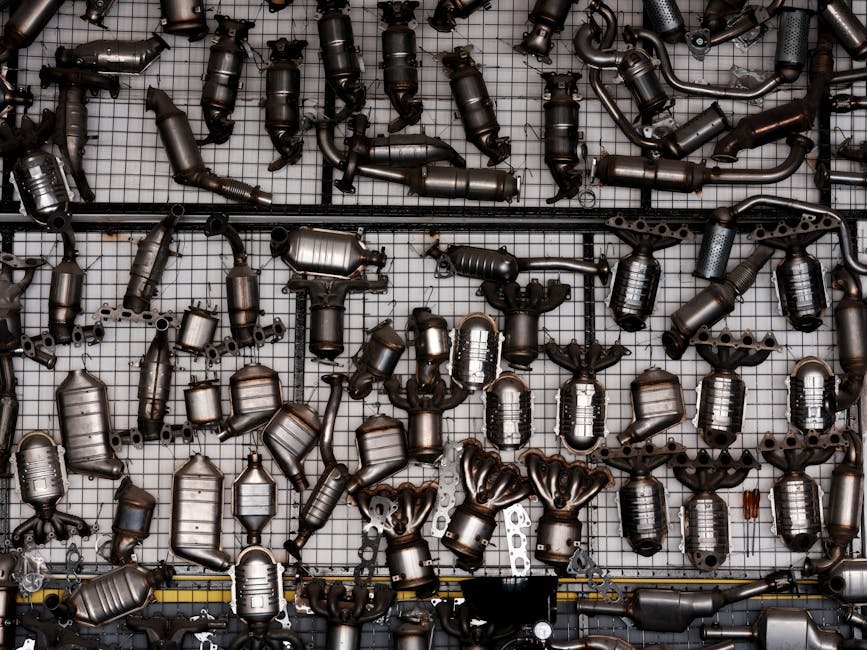
The core of a catalytic converter is a ceramic honeycomb structure coated with a washcoat containing precious metals. These metals—platinum, palladium, and rhodium—are essential for reducing toxic exhaust emissions. Because these metals are finite and difficult to mine, recycling them is significantly more energy-efficient than primary extraction. In the Czech Republic, the market value of these units is dictated by the daily London Metal Exchange (LME) spot prices for these three specific elements. When you decide to recycle catalytic converters in Czech Republic, you are essentially trading in refined commodities. The extraction process involves crushing the ceramic monolith, milling it into a fine powder, and using chemical leaching or smelting to isolate the metals. This is a high-tech operation that requires specialized equipment, which is why working with reputable entities like Ecotrade Group Catalytic Converters ensures that you are receiving an accurate payout based on the actual metal content rather than a flat, arbitrary rate.
Logistics: Drop-off vs. Pickup Service
Managing the physical movement of scrap catalysts requires careful consideration of volume and safety. For small quantities, a local drop off at a licensed recycling centre is the most common route. This allows for immediate on-site inspection and, in some cases, instant payment. However, for workshops, wrecking yards, or industrial collectors accumulating hundreds of units, a professional pickup service is highly recommended. A dedicated pickup service ensures that the hazardous materials are transported in compliance with regional transport laws, reducing the risk of damage to the ceramic cores, which can lose value if pulverized during transit. When preparing for a pickup, ensure that your inventory is cataloged by serial number, as this is the industry standard for tracking yield expectations. For those looking to scale their operations, learning the nuances of these logistics is covered extensively in Selling Catalytic Converters How To Maximize Your Profit Safely. This resource provides the necessary framework to avoid common pitfalls during the transport and sale of your scrap inventory.
Compliance and Environmental Impact
The Czech Republic operates under stringent European Union environmental standards, specifically those governed by the Waste Framework Directive. Recycling catalytic converters is not just a business transaction; it is a critical environmental necessity. Proper recycling prevents heavy metals from leaching into groundwater and soil, which occurs when units are illegally dumped or improperly processed. Furthermore, the recovery of PGMs reduces the carbon footprint associated with mining operations in South Africa and Russia. By choosing a certified recycling centre, you ensure that the hazardous dust generated during the milling process is captured using industrial-grade filtration systems. This commitment to sustainability is a key differentiator for businesses operating in the modern circular economy. If you are interested in the broader context of industrial recycling, you can find further insights at Scrap Trade Australia, which provides a global perspective on the movement of scrap metals.
Maximizing Profit Through Accurate Assay
The most common mistake sellers make is accepting a flat rate per unit. Because the precious metal content varies wildly depending on the vehicle model, engine type, and year of manufacture, a flat rate will almost always result in a loss for the seller. To truly maximize your profit, you must insist on an assay-based payment model. This involves taking a representative sample of your processed material and subjecting it to X-ray fluorescence (XRF) testing. This technology provides a precise breakdown of the platinum, palladium, and rhodium content. For those who deal with diverse scrap streams, including jewelry and industrial components, the comprehensive guide Sell Platinum Scrap Jewelry Catalytic Converters Industrial 2026 Guide offers a roadmap for diversifying your scrap portfolio and ensuring you are not leaving money on the table.
Regional Comparison: The European Market
The Czech market does not exist in a vacuum. It is part of a larger, interconnected European network of refineries. Prices and processing standards can fluctuate based on cross-border logistics and regional demand. For instance, when comparing the Czech landscape to other parts of Europe, such as the Mediterranean, you will find differences in collection density and regulatory enforcement. For a detailed look at how these dynamics play out in other regions, refer to the Recycle Catalytic Converters in Greece: Complete Guide. Understanding these regional variations allows you to negotiate better terms with buyers who may have access to different refining capacities or international export routes. Always verify that your chosen partner has a valid permit for the transboundary movement of waste if you are planning to ship your material outside of the Czech Republic for processing.
The Future of Catalytic Converter Recycling
As the automotive industry shifts toward electric vehicles (EVs), the supply of traditional catalytic converters will eventually peak and begin to decline. However, the demand for PGMs remains high, not only for internal combustion engines but also for the burgeoning hydrogen fuel cell technology. This shift ensures that the recycling industry will remain robust for decades to come. The most successful scrap dealers are those who are already preparing for this transition by diversifying their intake to include other high-value electronic scrap and industrial metals. By staying ahead of these trends, you position yourself as a leader in the secondary metals market. The focus must remain on transparency, technological integration, and high-standard environmental practices. Whether you are a local collector or an industrial supplier, the principles of accurate valuation and responsible handling will remain the cornerstones of your success in this sector.
Operational Best Practices for Dealers
To operate effectively, maintain a clean, organized, and well-documented inventory. Each converter should be stored in a way that prevents the ceramic monolith from breaking. Use sturdy pallets and shrink-wrap for larger shipments to ensure stability during transport. Keep detailed records of every batch, including the serial number, the vehicle make/model, and the assay results. This data is your most valuable asset during price negotiations. Furthermore, always perform a visual inspection of the converter before purchase to ensure the core is intact. A hollow or empty shell is worthless, and identifying these early saves you significant transport costs. By implementing these professional standards, you build a reputation as a reliable supplier, which often leads to better pricing and priority service from major refineries. Remember that in the scrap metal business, your reputation is as valuable as the metal itself. Consistently delivering high-quality, well-sorted material will always command a premium in the Czech market.
Conclusion: Sustaining the Cycle
The decision to recycle catalytic converters in Czech Republic is a significant step toward both personal profitability and global environmental stewardship. By leveraging the expertise provided by industry leaders and utilizing advanced assaying techniques, you ensure that your scrap contributes to a sustainable future. Focus on building long-term relationships with certified processors, prioritize accurate valuation over quick cash, and keep your logistics efficient. As the market evolves, those who remain informed and agile will continue to thrive in the complex, high-stakes world of precious metal recovery. Your commitment to these standards not only maximizes your bottom line but also supports the essential infrastructure required to keep our planet cleaner and our resources more secure.
Frequently Asked Questions
How do I determine the value of my catalytic converter?
The value is determined by the specific concentration of platinum, palladium, and rhodium inside the ceramic core. You should use a professional refinery that provides an assay report based on XRF analysis rather than accepting a flat price.
Is it legal to recycle catalytic converters in the Czech Republic?
Yes, it is legal provided you work with licensed waste management companies that comply with EU environmental regulations. Always ensure your partner holds the necessary permits for handling and processing hazardous automotive waste.
What is the difference between a drop-off and a pickup service?
A drop-off is suitable for smaller quantities where you bring the units to a recycling center for immediate inspection. A pickup service is designed for large-scale industrial quantities and involves professional logistics to safely transport bulk scrap to a refinery.
Why is the serial number on the converter important?
The serial number allows refineries to look up the specific metal content for that exact make and model of vehicle. This ensures you are paid the correct market rate based on the manufacturer’s original specifications.