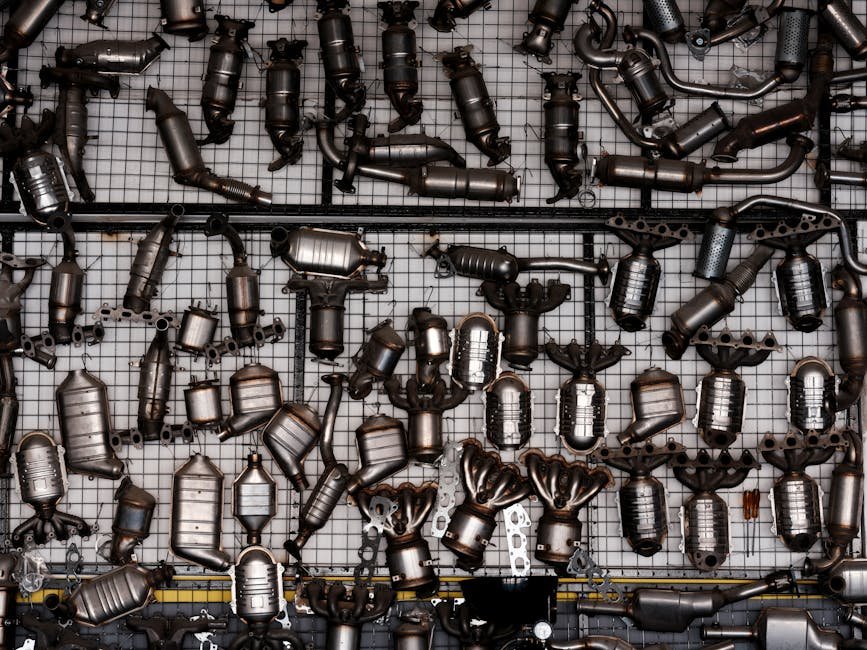

When you decide to recycle catalytic converters in Lithuania, you are participating in a sophisticated global supply chain that transforms automotive waste into high-value industrial commodities. Lithuania’s strategic position within the European Union means that scrap metal traders must adhere to strict environmental regulations while navigating a market that demands precision and transparency. Whether you are an individual mechanic or a large-scale scrap yard operator, understanding the chemical composition of these units is the first step toward profitability. For those looking to understand the broader market, Ecotrade Group Catalytic Converters provides an essential benchmark for global pricing and quality standards. Managing these units effectively requires more than just collecting scrap; it demands a deep understanding of how precious metal prices fluctuate and how to identify the specific ceramic monoliths that hold the most value.
The Scientific Process of Catalytic Converter Recycling
The recycling process is a marvel of modern hydrometallurgy and pyrometallurgy. Once a unit reaches a professional recycling centre, it undergoes a multi-stage transformation. First, the metal housing is removed through mechanical shearing. The internal ceramic honeycomb, which contains the precious metal washcoat, is then milled into a fine powder. This powder is sampled and analyzed using X-ray fluorescence (XRF) to determine the exact concentration of platinum, palladium, and rhodium. This data-driven approach is why you should always consult resources like Selling Catalytic Converters How To Maximize Your Profit Safely before committing to a sale. Without an accurate assay, you are essentially guessing at the value of your scrap. The powder is then smelted, and the precious metals are separated through chemical leaching. This process is highly specialized and requires industrial-grade facilities to ensure that no toxic heavy metals are released into the Lithuanian ecosystem. By adhering to these rigorous standards, the industry minimizes the need for environmentally destructive open-pit mining, effectively creating a circular economy for automotive components.
Drop-off vs. Pickup: Logistics for Lithuanian Traders
Choosing between a drop-off service and a professional pickup service depends largely on the volume of your inventory and your proximity to major industrial hubs in Vilnius, Kaunas, or Klaipėda. A drop-off at a certified recycling centre allows for immediate weight verification and, in many cases, faster payment. However, for large-scale operations, a pickup service is often more efficient. Professional buyers often provide specialized containers and secure transport to mitigate the risks associated with transporting hazardous materials. If you are managing large quantities, it is vital to work with logistics partners who understand the legal requirements for transporting automotive scrap across international borders. For those operating on a smaller scale, or those looking to expand into other precious metal streams, our Australian scrap metal trading resources provide excellent insights into global logistics and inventory management that apply equally well to the Baltic market. Regardless of the method, always ensure that your buyer provides a formal manifest and certificate of destruction, which is a mandatory requirement under EU waste management protocols.
Environmental Impact and Regulatory Compliance
Lithuania’s commitment to the European Green Deal necessitates that all scrap metal recycling operations operate with total transparency. When you recycle catalytic converters in Lithuania, you are preventing the leaching of toxic heavy metals into the soil and groundwater. The washcoat, which contains the precious metals, also contains alumina and ceria, which require careful handling to prevent respiratory harm to workers. Regulatory compliance is not just about avoiding fines; it is about maintaining the integrity of the secondary metal market. Illegal scrap operations often bypass the necessary scrubbing equipment, leading to hazardous emissions. By choosing to work with authorized, high-end recyclers, you contribute to a cleaner environment and ensure that the precious metals are recovered with a minimal carbon footprint. This commitment to sustainability is increasingly becoming a competitive advantage for scrap yards looking to attract institutional clients who prioritize ESG (Environmental, Social, and Governance) metrics in their supply chain.
Maximizing Profitability and Market Trends
The market for catalytic converters is inherently volatile, tied directly to the prices of platinum group metals (PGMs) on the London Metal Exchange. To maximize your returns, you must stay informed about these fluctuations. Many traders make the mistake of selling based on outdated price lists. Instead, utilize real-time data and consider hedging strategies if you handle large volumes. For a comprehensive look at how to manage your inventory for the next year, refer to our guide on how to Sell Platinum Scrap Jewelry Catalytic Converters Industrial 2026 Guide. This resource covers the nuances of industrial-grade material and how to differentiate between high-yield and low-yield converters. Furthermore, understanding the difference between OEM (Original Equipment Manufacturer) and aftermarket converters is crucial, as the latter often contain significantly lower levels of precious metals, impacting their market value. By categorizing your stock correctly before it hits the scale, you prevent the common pitfall of undervaluing your high-grade inventory.
Comparing Regional Markets: Lessons from Abroad
Lithuanian recyclers can learn a great deal from the maturation of the market in other parts of Europe. For example, the regulatory framework in Southern Europe offers a blueprint for how to handle large volumes of automotive waste while maintaining strict quality control. You can find detailed insights into these regional best practices in our Recycle Catalytic Converters in Greece: Complete Guide. These cross-border comparisons highlight the importance of standardized sampling techniques and the role of digital platforms in connecting sellers with international smelters. As the Lithuanian market continues to integrate with the broader European scrap economy, the ability to provide certified, assay-backed material will become the primary differentiator for successful scrap metal businesses. Moving forward, the focus will shift toward more advanced automated sorting technologies, which use AI and computer vision to identify converter models instantly, further increasing the efficiency of the recycling process.
Strategic Planning for Scrap Metal Businesses
Success in the catalytic converter industry requires a long-term strategic approach. You must invest in proper storage, security, and staff training to ensure that your business remains profitable and compliant. Security is a major concern, as the high value of these units makes them a target for theft. Implementing robust inventory management software can help you track every unit from acquisition to final sale. This not only prevents loss but also provides the detailed documentation required for tax and environmental audits. Additionally, fostering strong relationships with primary smelters is essential. By cutting out unnecessary intermediaries, you can capture a larger share of the value chain. As you grow, consider diversifying your scrap portfolio to include other PGM-bearing materials, such as industrial sensors and laboratory equipment, which follow similar recycling pathways. The future of the industry lies in the adoption of circular economy principles, where every gram of metal is accounted for and returned to the manufacturing cycle, ensuring that the legacy of your business is one of efficiency, responsibility, and consistent profitability.
Related: Ecotrade Group Catalytic Converters
Frequently Asked Questions
What documentation is required when selling catalytic converters in Lithuania?
You must provide proof of legal acquisition, such as purchase invoices or scrap logs, to satisfy environmental and anti-theft regulations. A formal certificate of destruction from the processor is also essential for your records.
How does the price of a catalytic converter get determined?
Pricing is determined by the current market value of the precious metals (platinum, palladium, and rhodium) contained within the ceramic monolith. Professional recyclers perform an XRF assay to measure the specific metal content of your unit.
Is it better to use a pickup service or drop off at a recycling centre?
Drop-off is usually faster for small quantities and allows for immediate weight verification. Pickup services are more convenient and secure for large-scale commercial volumes, provided you use a licensed, reputable logistics provider.
Why is it important to recycle converters through certified channels?
Certified channels ensure that toxic heavy metals are processed safely without harming the environment, and they provide the legal documentation required by EU law. Uncertified scrap operations often lack the technology for efficient metal recovery, leading to waste and potential legal liability.