
The ability to sale scrap online has transformed the scrap metal industry in Australia, making it faster, more transparent, and more profitable for both industrial and individual sellers. With digital platforms now driving the trade of ferrous and non-ferrous metals, businesses and households alike can efficiently turn waste into revenue. This comprehensive guide explores the core elements of online scrap trading, including scrap metal grades, how recycling works at industrial scales, the environmental impact of metal reclamation, and why digital marketplaces are rapidly overtaking traditional methods. Whether you’re a manufacturer, demolition contractor, or DIY enthusiast with leftover copper wiring, understanding how to sale scrap online effectively is essential to maximizing value and contributing to a circular economy.
Understanding Scrap Metal Grades in the Online Marketplace
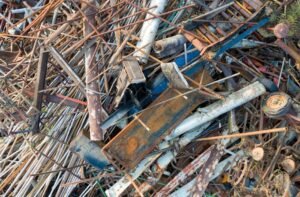
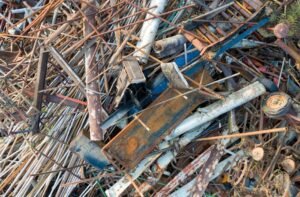
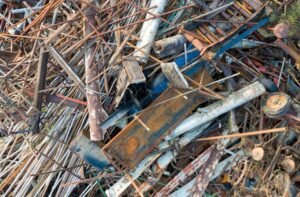
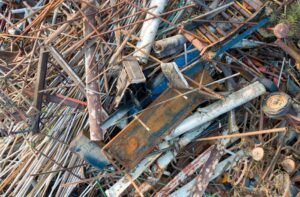
One of the most critical factors in any sale scrap online transaction is accurately identifying the grade of the metal you’re selling. Scrap metal is not a one-size-fits-all commodity—its value fluctuates significantly based on purity, composition, and market demand. In Australia, standardized grading systems exist for both ferrous (iron-based) and non-ferrous (non-iron) metals, ensuring consistency in pricing and quality across transactions.
For ferrous metals, common grades include:
- Shredded Steel (No. 1 Heavy Melt): Clean, dense steel pieces over 1/4 inch thick, free of contaminants like rubber, plastic, or galvanization.
- PI&I Bundles (Processed Iron and Steel): Compressed bundles of sheet metal from appliances or automobiles, processed to remove non-metallic content.
- Turnings: Metal shavings or cuttings from machining processes, typically requiring drying to remove oils before sale.
Non-ferrous metals, which generally command higher prices due to their resistance to corrosion and conductivity, are graded even more precisely. Key categories include:
- Copper: Divided into Copper #1 (bare, unalloyed, clean wire over 16 AWG), Copper #2 (slightly tarnished or soldered), and Bushings (heavily insulated or mixed with other materials).
- Aluminum: Aluminum 6061 (from structural beams), Aluminum UBC (used beverage cans), and Mixed Clean Aluminum (uncontaminated but unsorted).
- Stainless Steel: Graded by alloy content (e.g., 304, 316), with 316 being more valuable due to higher nickel and molybdenum content.
- Lead and Brass: Often sourced from batteries and plumbing fixtures, respectively, and priced based on lead content or zinc alloy ratios.
Accurate grading directly impacts your returns when you scrap sale online. Mislabeling or failing to separate metals can lead to downgrades and lower per-tonne rates. Digital platforms now offer AI-assisted photo recognition and detailed drop-down forms to help sellers classify materials correctly before listing. This reduces disputes and ensures fair pricing—critical for building trust in online transactions.
How the Scrap Recycling Process Works: From Collection to Reuse
The lifecycle of scrap metal doesn’t end when you sale scrap online; it’s just the beginning of a complex industrial recycling chain that converts waste into new products. Understanding this process helps sellers appreciate the downstream value of their materials and reinforces the importance of proper sorting and preparation.
The recycling journey typically follows these stages:
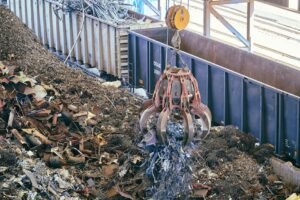
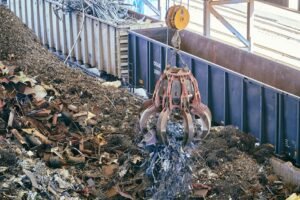
- Collection and Sorting: After a successful scrap sale online, materials are transported to recycling facilities. Here, they undergo initial sorting—often using magnets (to separate ferrous metals), eddy currents (for non-ferrous), and optical scanners (to detect alloys).
- Shredding and Size Reduction: Large items like cars or appliances are shredded into smaller pieces to increase surface area and facilitate further separation. This step also removes trapped contaminants like dirt or fluids.
- Density Separation and Purification: Metals pass through air classifiers, water baths, or vibrating screens to separate light materials (plastic, rubber) from heavy metals. Advanced facilities use X-ray fluorescence (XRF) guns to verify alloy composition in real time.
- Melting and Refining: Sorted metals are melted in electric arc furnaces (EAFs) or induction furnaces. The molten metal is then refined—impurities are skimmed off, and alloying elements may be added to meet specific industry standards.
- Casting and Distribution: The refined metal is cast into ingots, billets, or coils and shipped to manufacturers for use in new products—from construction beams to consumer electronics.
In Australia, major recycling hubs like Visy Metals in Sydney and Sims Metal in Adelaide process over 5 million tonnes of scrap annually. These facilities are integrated into global supply chains, with Australian exports of processed scrap metal reaching markets in Southeast Asia and Europe. The efficiency of this system depends heavily on inbound material quality—underscoring why sellers must adhere to grading standards when they scrap metal for sale online.
Environmental Benefits of Selling Scrap Metal Online
Choosing to sale scrap online isn’t just economically advantageous—it’s one of the most impactful environmental decisions a business or individual can make. Recycling scrap metal conserves natural resources, reduces greenhouse gas emissions, and minimizes landfill usage.
Consider these key environmental metrics:
- Recycling one tonne of steel saves 1,100 kg of iron ore, 630 kg of coal, and 55 kg of limestone.
- Producing aluminum from recycled scrap uses 95% less energy than extracting it from bauxite ore.
- According to the Australian Bureau of Statistics, over 70% of all steel in the country is recycled annually, preventing millions of tonnes of CO₂ emissions.
- Landfill diversion: Construction and demolition waste accounts for nearly 40% of Australia’s total waste stream. Recycling scrap metal from these sources reduces pressure on landfills like the Woodlawn Bioreactor in NSW.
Digital platforms amplify these benefits by increasing participation rates. When sellers can easily why scrap sellers are moving online, more scrap is captured before it ends up in landfills or illegally dumped. Real-time pricing, pickup coordination, and remote verification tools lower the barrier to entry—especially for small-scale generators like electricians or renovators.
Moreover, online transparency enables environmental reporting. Many platforms now provide carbon offset certificates or recycling impact summaries, allowing businesses to include metal recycling in their ESG (Environmental, Social, and Governance) disclosures. This trend is supported by federal policies like the National Waste Policy Action Plan, which targets a 10% improvement in resource productivity by 2030.
Why the Shift to Online Scrap Trading Is Accelerating
The transition to digital platforms for scrap trading is not a passing trend—it’s a structural shift driven by economic efficiency, technological innovation, and regulatory support. Today, more Australian businesses are choosing to sale scrap online because it offers superior pricing, faster payments, and greater compliance assurance compared to traditional yard-based sales.
One of the primary drivers is market transparency. In the past, scrap sellers relied on local yards with opaque pricing models that could vary dramatically between regions. Now, online platforms aggregate real-time bid data from multiple buyers, allowing sellers to compare offers and select the best rate. This competitive dynamic has increased average returns by up to 15% in some sectors.
Another factor is logistics optimization. Digital marketplaces use geolocation and load-matching algorithms to pair sellers with nearby recyclers, reducing transport costs and emissions. Some platforms even offer scheduled pickups, eliminating the need for sellers to haul materials themselves—a major advantage for SMEs and remote operations.
Security and traceability are also improved. Every transaction on a regulated platform is documented with digital manifests, weight tickets, and buyer verification. This reduces the risk of fraud and supports compliance with the Police Offences (Stolen Goods) Act, which requires scrap dealers to record seller information and material descriptions.
For deeper insights into this transformation, read our analysis of why scrap trade online is growing across Australia’s manufacturing, construction, and energy sectors.
How to Maximize Returns When You Sale Scrap Online
While the process of selling scrap online is straightforward, maximizing your return requires strategy and preparation. Follow these expert tips to get the best value from your materials:
- Sort and Separate Metals Rigorously: Mixing copper with brass or steel with aluminum leads to significant downgrades. Use handheld magnets and conductivity testers to verify materials before listing.
- Clean Materials Before Sale: Remove non-metallic attachments like plastic housings, rubber insulation, or concrete residue. Clean copper wire, for example, can fetch up to 20% more than insulated or contaminated variants.
- Time Your Sale Strategically: Global commodity markets influence scrap prices. Monitor LME (London Metal Exchange) trends—copper and aluminum prices often peak in Q2 and Q3 due to increased industrial activity.
- Use Weight Estimation Tools: Many platforms allow you to input dimensions and density to estimate weight. This helps avoid discrepancies during verification and builds trust with buyers.
- Leverage Auction Models: Instead of accepting flat-rate offers, consider listing your scrap in an Online Scrap Auction, where recyclers bid competitively for your lot. This can yield premium prices, especially for high-demand grades like 316 stainless or clean copper.
- Build Relationships with Buyers: Repeat transactions with the same buyer can lead to volume discounts, faster pickups, and priority bidding in auctions.
Additionally, keep detailed records of your sales for tax and audit purposes. The ATO classifies scrap sales as assessable income, and proper documentation ensures compliance during reviews.
The Role of Digital Platforms in Modern Scrap Trading
Digital platforms have become the backbone of modern scrap trading in Australia, replacing outdated phone-and-yard models with seamless, data-driven experiences. These platforms act as central marketplaces where sellers list materials, buyers place bids or offers, and logistics are coordinated automatically.
Leading platforms like Scrap.Trade offer end-to-end solutions, including:
- Real-time price indices based on global and regional markets
- Secure payment gateways with escrow options
- Compliance tools for identity verification and record-keeping
- Mobile apps for photo uploads and instant quotes
These features reduce friction and increase trust, making it easier than ever to sale scrap online. For industrial clients, APIs allow integration with ERP systems, enabling automated scrap disposal workflows. For individuals, simple web forms and guided grading tools lower the learning curve.
The rise of these platforms is also fostering industry innovation. Blockchain-based tracking, for instance, is being piloted to create immutable records of scrap origin and chain of custody—critical for companies seeking to prove sustainable sourcing. Meanwhile, AI-powered pricing engines analyze historical data and market signals to recommend optimal sale times.
Common Challenges and How to Overcome Them
Despite the advantages, some challenges persist when selling scrap online. Awareness and preparation are key to navigating them successfully.
Challenge 1: Price Volatility
Scrap metal prices fluctuate daily based on global supply and demand. To mitigate this, set price alerts and use forward contracting options if available on your platform.
Challenge 2: Quality Disputes
Buyers may reject materials if they don’t match the described grade. Always provide clear, high-resolution photos from multiple angles and disclose any impurities upfront.
Challenge 3: Logistics Coordination
Scheduling pickups can be difficult for remote sellers. Choose platforms that partner with national transport providers or offer freight calculators to estimate costs.
Challenge 4: Regulatory Compliance
Australian states have varying rules for scrap sales. New South Wales, for example, requires photo ID and proof of address for all transactions over $500. Platforms like ScrapTrade Australia ensure compliance by embedding these checks into the listing process.
By understanding these hurdles and using the right tools, sellers can minimize risk and maximize efficiency in every transaction.
Conclusion: The Future of Scrap Trading Is Digital
The ability to sale scrap online represents a fundamental shift in how Australia manages its metal waste. No longer limited by geography or opaque pricing, sellers now have unprecedented access to competitive markets, transparent processes, and environmental impact tracking.
As digital infrastructure continues to evolve—with advancements in AI, blockchain, and logistics integration—the scrap metal industry will become even more efficient and inclusive. Whether you’re managing a large-scale demolition project or cleaning out a garage, online platforms provide the tools to turn scrap into value safely and sustainably.
To get started, visit Scrap.Trade and explore how you can list your materials, compare offers, and contribute to a greener economy. For insights into market trends, see our guide on why scrap trade online is growing, and learn why more recyclers are adopting digital-first strategies.
Frequently Asked Questions
What types of scrap metal can I sell online in Australia?
You can sell a wide range of ferrous and non-ferrous metals online, including steel, copper, aluminum, stainless steel, lead, and brass. Most digital platforms accept industrial offcuts, demolition debris, end-of-life vehicles, and electronic waste, provided they are properly sorted and described.
How is the price of scrap determined when selling online?
Scrap prices are based on global commodity markets, material grade, purity, and local supply-demand dynamics. Reputable platforms use real-time pricing data from sources like the London Metal Exchange and adjust for transport and processing costs to provide accurate quotes.
Is it safe to sell scrap metal online?
Yes, selling scrap online is safe when using verified platforms that enforce identity verification, secure payments, and compliance with state regulations. Always choose platforms that provide transaction records and support dispute resolution.
How do I prepare scrap metal for online sale?
To prepare scrap for online sale, sort metals by type and grade, remove contaminants like plastic or rubber, clean oily residues, and take clear photos. Accurate descriptions and proper categorization ensure fair pricing and smooth transactions.