
If you are looking to sell appliances for cash, you are not just clearing out your garage; you are participating in a vital circular economy that diverts thousands of tonnes of waste from Australian landfills every year. Whether you are a homeowner clearing out a renovation or a trade professional managing site cleanup, understanding the value of your whitegoods and electronic waste is essential. When you decide to Sell Scrap, you are essentially acting as a primary processor in the metal recycling supply chain.
Understanding the Value of Your Old Appliances
Most household appliances are comprised of a complex mix of metals, plastics, and circuitry. To get the best price, you must understand what lies beneath the outer casing. Heavy whitegoods like washing machines, dryers, and ovens are primarily made of steel, which has a base commodity value. However, the real profit often lies in the internal components—the copper wiring, the aluminum heat exchangers, and the brass fittings. When you prepare to sell appliances for cash, you should categorize your items based on their metal composition. For instance, a refrigerator is not just a steel box; it contains a compressor that is rich in high-grade copper and steel. If you are wondering where to start, our guide on how to sell old appliances provides a breakdown of which components offer the highest return on investment.
The market for scrap metal fluctuates daily based on the London Metal Exchange (LME) and local demand. To consistently get the best price, keep an eye on these trends. If you are looking for a reliable partner, visit Australia’s leading scrap metal recycling platform to track current market rates. Professional scrap dealers value clean, sorted materials. If you bring a mixed load of plastic-covered steel and pure copper, you will likely receive a lower “mixed scrap” rate. By separating your metals, you ensure that you are paid for the premium content of your appliances.
How to Prepare Your Appliances for Maximum Profit
Preparation is the difference between a small handful of change and a significant payout. Before you head to a Sell Scrap Metal Near Me In 2026 facility, take the time to dismantle your units safely. Always use appropriate personal protective equipment (PPE) such as heavy-duty gloves and safety glasses. Start by removing all plastic, glass, and insulation materials. These are considered “contaminants” by scrap yards and can lead to your load being rejected or downgraded in price.
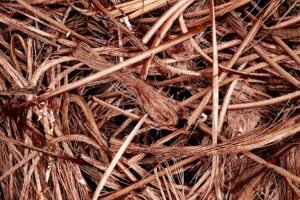
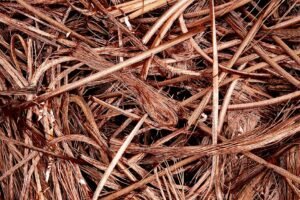
Focus on the “high-value” parts. Copper wiring is one of the most lucrative materials in an appliance. Use wire strippers to remove the plastic casing if you have the time, as “bright and shiny” copper fetches a much higher price than insulated wire. If you have electronic boards, keep them separate; some specialized recyclers offer higher rates for circuit boards due to the trace amounts of precious metals like gold and silver. For those dealing with specialized parts, you might also want to check if you have components that fall into other categories, such as when you sell old tv for cash, which often involves different handling procedures for cathode ray tubes or modern LED panels.
Legal Requirements and Documentation
In Australia, the scrap metal industry is strictly regulated to prevent the trade of stolen goods. When you arrive at a scrap yard to sell appliances for cash, you must be prepared to provide government-issued photo identification. This is a non-negotiable requirement under state-based scrap metal dealer acts. Most yards will record your driver’s license or passport details, your vehicle registration, and sometimes even take a photograph of your load.
Furthermore, ensure you are not bringing in hazardous materials. Appliances like old refrigerators may contain refrigerants (CFCs or HFCs) that are harmful to the ozone layer. Reputable scrap dealers will require you to provide a “degassing certificate” or will charge a fee to degas the appliance on-site. Do not attempt to vent these gases yourself, as it is illegal and environmentally damaging. By adhering to these legal standards, you establish yourself as a professional seller, which often leads to better long-term relationships with scrap yard managers and, ultimately, better pricing.
Finding the Right Scrap Dealer
Choosing the right partner is crucial. Not all yards are created equal; some specialize in heavy industrial steel, while others focus on non-ferrous metals like copper and aluminum. Use our comprehensive platform at Scrap.Trade to locate verified dealers in your area. When calling a yard, ask them specifically about their current buying rates for “prepared” versus “unprepared” steel. Prepared steel is cut to a specific size (usually under 1 meter), which makes it easier for the yard to process and feed into their shredders.
If you have a large volume of appliances, inquire about collection services. While this may reduce your overall profit margin due to transport costs, it saves you the time and fuel required to haul heavy items. Always ask for a printed receipt that itemizes the weight and the type of metal sold. This transparency is key to ensuring you get paid accurately. If you have automotive-related scrap alongside your appliances, you might also be interested in how to Sell My Catalytic Converter, as these are often collected during the same cleanup projects.
Advanced Tips for Scrap Metal Arbitrage
To truly master the art of scrap metal, you need to view your appliances as a collection of assets. Advanced recyclers often keep a “scrap log” where they record the weight of different metals recovered from various appliance types. Over time, this data allows you to predict which appliances are worth your effort and which are better left for bulk collection. For example, a heavy-duty commercial oven will yield significantly more steel and high-grade copper than a standard residential toaster.
Networking is another secret to success. If you are a contractor or a property manager, you likely have access to a steady stream of old appliances. By establishing a professional account with a scrap yard, you may be eligible for “commercial rates,” which are often 10-20% higher than the walk-in public rates. Consistency is highly valued in this industry; a seller who brings in clean, sorted metal every month is a much more attractive client than a one-off seller with a truckload of mixed, dirty junk.
Safety and Environmental Responsibility
The scrap metal industry is a cornerstone of environmental sustainability. Every tonne of recycled steel saves over a tonne of iron ore and significant amounts of coal and limestone. When you recycle your appliances, you are reducing the energy required for virgin metal production. However, safety must always come first. Never attempt to cut into pressurized cylinders, sealed compressors, or items containing capacitors without proper training, as these can pose severe risks of explosion or electrical shock.
Always dispose of non-metal waste responsibly. If you find yourself with a large amount of plastic or glass after stripping an appliance, do not dump it. Check your local council’s waste management guidelines. Being a responsible recycler means ensuring that the non-recyclable components of your appliances are handled in a way that minimizes environmental impact. This holistic approach to scrapping not only protects the planet but also reinforces the integrity of the recycling industry, ensuring that it remains a viable and respected profession for years to come.
Conclusion: Turning Waste into Wealth
Selling appliances for cash is a practical and profitable endeavor when approached with the right knowledge and tools. By understanding the composition of your items, preparing them correctly, and choosing the right scrap dealer, you can maximize your returns while contributing to a greener Australia. Remember that the market is dynamic, and your success depends on staying informed about commodity prices and local regulations. Start by sorting your current inventory, use our online resources to find a reputable buyer, and turn those old, unused appliances into a source of income today. Whether you are a hobbyist or a professional, the scrap metal industry offers a unique opportunity to monetize waste and support the sustainable future of our economy.
Frequently Asked Questions
- Question: Do I need a license to sell scrap metal in Australia?
Answer: No, you do not need a professional license to sell domestic scrap metal as an individual. However, you must provide valid government-issued photo identification to the scrap dealer at the time of the transaction to comply with state anti-theft laws. - Question: What is the most valuable metal found in household appliances?
Answer: Copper is generally the most valuable metal found in appliances, specifically in the form of wiring and motor windings. Aluminum and brass are also valuable, while steel makes up the bulk of the weight but has a lower price per kilogram. - Question: Should I strip the plastic off wires before selling them?
Answer: Yes, stripping the plastic insulation off copper wires significantly increases their value. “Bright and shiny” copper is a premium product, whereas insulated wire is bought at a lower rate because the buyer must pay to strip it themselves. - Question: How do I know if I am getting a fair price for my scrap?
Answer: You can verify if you are getting a fair price by checking current market rates on reputable industry websites and calling multiple scrap yards in your area for quotes. Always ask for a breakdown of the weight and the specific grade of metal you are being paid for.