
When you decide to sell appliances online, you are entering a market that balances consumer demand for second-hand goods with the industrial necessity of metal recycling. Whether you are offloading a functional washing machine or a dead refrigerator, understanding the secondary market is vital to securing the best price. In Australia, the shift toward a circular economy has made it easier than ever to monetize old equipment, provided you know where to look and how to prepare your inventory. If you are looking to Learn How To Sell Used Products Online, you must first distinguish between items that can be resold for reuse and those that should be processed as raw material.
The Strategic Approach to Selling Appliances Online
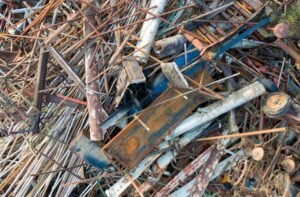
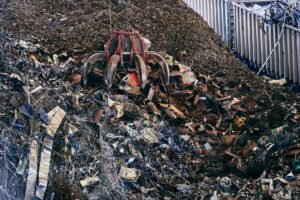
The decision to sell appliances online requires a clear-eyed assessment of the item’s condition. If an appliance is functional, it belongs on consumer-facing marketplaces. If it is broken, rusted, or obsolete, it belongs in the scrap metal stream. Many Australians lose money by attempting to sell broken machines to private buyers who have no use for them. Instead, understanding the value of the internal components—such as copper motors, aluminum heat exchangers, and steel casings—allows you to approach a professional scrap metal recycling facility to get cash for scrap based on weight and metal grade. This guide, titled How to Sell Old Appliances Online: The Ultimate Australian Guide, serves as your roadmap to navigating these dual pathways.
Maximizing Your Returns: Where to Sell for the Best Price
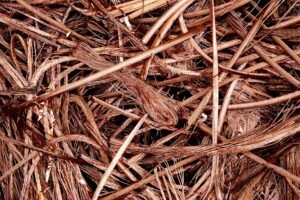
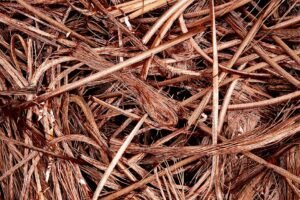
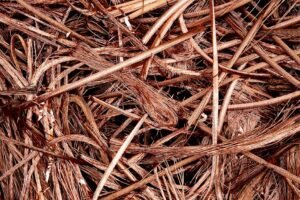
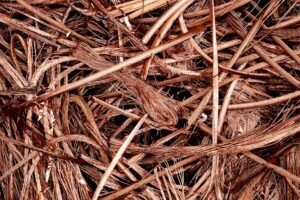
To achieve the best price, you must match the item to the right buyer. For functional whitegoods, Facebook Marketplace is currently the dominant force in Australia due to its localized reach and integrated messaging. Gumtree remains a strong secondary option for larger appliances. However, when the appliance is non-functional, these platforms become less efficient. This is where you pivot to professional buyers. You can Sell Scrap directly to licensed facilities that offer transparent pricing based on the London Metal Exchange (LME) rates. Always check the daily rates before finalizing a sale. If you have significant volumes, such as a collection of old wiring or internal coils, you might also want to research How To Sell Surplus Copper Wire Scrap Online to ensure you aren’t leaving money on the table by bundling high-value copper with low-value steel.
Preparing Your Appliances for Sale
Preparation is the single biggest factor in determining the final transaction value. For functional items, this means a deep clean, testing all cycles, and recording a short video of the machine in operation. For scrap metal, preparation means ‘stripping’ or ‘cleaning’ the load. A scrap dealer will pay more for ‘clean’ copper or aluminum than for ‘dirty’ loads contaminated with plastic, rubber, or mixed metals. Use basic hand tools to remove plastic casing or non-metallic attachments. This simple act of separation can increase your payout by 20% to 50% depending on the current market demand for high-purity metals.
Understanding Documentation and Legal Requirements
In Australia, selling scrap metal is subject to state-based legislation designed to curb the trade of stolen goods. When you visit a scrap dealer, you must provide valid government-issued photo identification, such as a driver’s license or passport. Some facilities may also require proof of address. If you are selling commercial quantities of appliances, you may need an ABN and a tax invoice. Keeping accurate records of your sales is not just a legal requirement; it helps you track your profitability over time. Always ensure you receive a weight docket from the facility, which itemizes the material types and the price paid per kilogram. This documentation is your primary evidence of a fair transaction.
Market Trends and Timing Your Sale
The scrap metal market is volatile and influenced by global manufacturing demand. When global steel production is high, the value of your old refrigerator casing rises. Similarly, when the transition to electric vehicles accelerates, the demand for copper and aluminum spikes, directly impacting the price you receive for appliance motors and wiring. Smart sellers track these trends by visiting the scrap trade hub to stay updated on market shifts. Do not rush to sell during a market dip if you have the storage space to wait for a price recovery. Understanding these macro-economic factors transforms you from a casual seller into a strategic market participant.
Avoiding Common Pitfalls
One of the most common mistakes is underestimating transportation costs. If you are selling a heavy washing machine for $50 to a private buyer, but it costs you $40 in fuel and labor to transport it, your net profit is negligible. When dealing with scrap, many facilities offer collection services, but this often comes with a fee or a reduction in the scrap price. Calculate your ‘all-in’ cost before committing to a deal. Furthermore, be wary of ‘scrap pirates’—unlicensed individuals offering to take your appliances for free. While they may seem convenient, they often engage in illegal dumping, which can lead to environmental fines that may eventually be traced back to the original owner of the waste.
Building Long-Term Relationships with Buyers
If you frequently upgrade your appliances or manage properties with whitegoods, building a relationship with a local, reputable scrap dealer is invaluable. Reliable dealers will often provide you with specific instructions on how they prefer materials to be sorted, which allows you to maximize your returns. They may also offer better rates for consistent suppliers. Treat your scrap metal as a commodity, not as trash. By maintaining a professional approach, documenting your transactions, and staying informed about market rates, you ensure that you are always getting the best possible value for your end-of-life appliances. This professionalization of the process is the hallmark of a successful trader in the Australian recycling ecosystem.
Frequently Asked Questions
What documents do I need to sell scrap metal in Australia?
You must provide valid government-issued photo identification, such as a driver’s license or passport. Some facilities may also require proof of address and an ABN if you are selling as a business.
Is it better to sell appliances for parts or as scrap?
If the appliance is functional, selling it for reuse on platforms like Facebook Marketplace will almost always yield a higher return. If the item is broken or obsolete, selling it to a scrap dealer for its raw material value is the most efficient and profitable option.
How can I ensure I get the best price for my scrap?
Clean your scrap by removing non-metallic components like plastic and rubber to increase the purity of the metal. Additionally, track current metal prices on the LME and call multiple local scrap dealers to compare their buying rates before you sell.
Are there any risks to giving my old appliances to ‘free’ collectors?
Yes, many unlicensed collectors engage in illegal dumping. If the appliance is traced back to you, you may be held liable for environmental fines and cleanup costs, so always use licensed and reputable scrap metal facilities.