
When you decide to sell brass, understanding the nuances of the scrap metal market is the most effective way to maximize your profit. Brass is a versatile alloy primarily composed of copper and zinc, making it a highly sought-after commodity in the recycling industry. Whether you are a tradesperson clearing out a job site or a homeowner with old plumbing fixtures, knowing how to properly identify, clean, and prepare your materials will ensure you receive the best price per kg. In this comprehensive guide, we will walk you through the entire process, from sorting your scrap to navigating the legal requirements for selling metal in Australia.
Understanding Brass Grades and Market Value
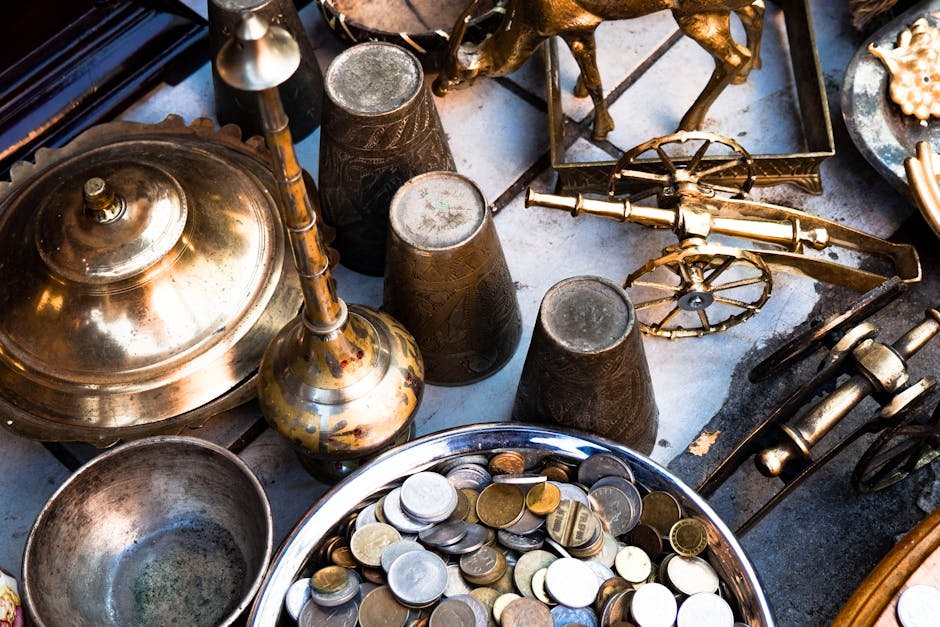
Not all brass is created equal. To get the best price, you must understand the difference between the various grades that scrap yards use to categorize your metal. The most common type encountered by tradespeople is yellow brass, which is the standard alloy used in many household items and industrial components. Yellow brass typically contains a higher percentage of zinc, which gives it its characteristic golden-yellow color. Because of its composition, it is generally easier to recycle but may command a different price point compared to high-copper alloys.
Another common category is red brass, which contains a higher concentration of copper. Because copper is a more valuable metal, red brass is almost always worth more than yellow brass. When you are looking to Sell Scrap, take the time to separate these two categories. If you mix them, a scrap dealer will often pay you the lower “mixed brass” price for the entire batch. By keeping them separate, you ensure that the high-value red brass is priced appropriately. Beyond these, you will encounter brass fittings and brass pipe remnants. These are often clean and easy to process, making them highly desirable for recycling facilities. If you are unsure about the composition of your metal, a simple magnet test can help. Pure brass is non-magnetic; if your item sticks to a magnet, it likely contains steel or iron attachments that must be removed to achieve the highest grade.
How to Prepare Your Brass for Maximum Profit
Preparation is the single most important factor in determining your payout. Scrap yards operate on efficiency; the less work they have to do to process your material, the more they are willing to pay. Start by removing any non-metallic attachments. This includes plastic washers, rubber seals, or steel screws found in brass fittings. Even small amounts of contamination can downgrade your entire load from ‘Clean Brass’ to ‘Dirty Brass,’ significantly reducing the price per kg you receive.
For those dealing with large quantities, such as demolition contractors or plumbing companies, consider the logistics of transport. If you are looking for information on How To Sell Bulk Brass Scrap Internationally, the requirements for cleanliness and documentation become even more stringent. For local sales, simply ensuring your brass is dry and free of debris is usually sufficient. Remember, when you Sell Scrap Metal Near Me In 2026, you want to present your material in a way that allows the yard to quickly weigh and grade it. This professionalism often builds a rapport with the yard manager, which can lead to better long-term pricing agreements.
Where to Sell Brass and Finding the Right Dealer
Choosing the right scrap dealer is just as important as the quality of the scrap itself. Not all yards offer the same services or pricing structures. When researching where to sell, prioritize facilities that are transparent about their pricing and have a track record of fair weighing practices. You can start your search by looking at our Australian scrap metal directory to find verified buyers in your state. It is also helpful to compare your options if you are asking where to sell metal generally, as some specialized yards focus exclusively on non-ferrous materials like copper and brass, while others handle general mixed scrap.
If you have a mix of metals, you might also be wondering where can i sell copper near me. Often, the best scrap yards handle both copper and brass, allowing you to offload all your non-ferrous metals in one trip. When you arrive, ask for the current brass price per kg. Do not be afraid to ask if they offer a ‘trade’ or ‘commercial’ rate if you have a significant volume. Building a relationship with a local, reputable yard on the Scrap Trade platform can provide you with consistent market insights and better returns over time.
Documentation and Legal Requirements
In Australia, the scrap metal industry is strictly regulated to prevent the trade of stolen goods. When you sell brass, you should be prepared to provide valid photo identification, such as a driver’s license or passport. Most reputable scrap yards are required by law to record your details and the details of the transaction. This is not just a regulatory hurdle; it is a sign that you are dealing with a legitimate, law-abiding business.
Additionally, if you are selling on behalf of a business, you may need to provide an ABN (Australian Business Number) and potentially a tax invoice. This is particularly relevant when selling bulk quantities. Keeping accurate records of your sales is also good practice for your own tax reporting. If you are a contractor, these records can help you track your waste management costs and recycling credits, which can be a valuable metric for your business sustainability reports.
The Economics of Brass Recycling
The global demand for recycled brass is driven by the construction, automotive, and manufacturing industries. Because brass is infinitely recyclable without losing its properties, it is a circular economy powerhouse. When you sell brass, you are contributing to a supply chain that reduces the need for energy-intensive mining of virgin copper and zinc. This environmental impact is becoming increasingly important to industrial buyers, and some scrap yards now offer premium pricing for ‘certified recycled’ batches that are documented from source to smelter.
Understanding the market cycle can also help you time your sales. Brass prices fluctuate based on the London Metal Exchange (LME) and local currency exchange rates. While you cannot predict the market perfectly, you can track trends. If you notice a steady increase in copper prices, brass prices usually follow shortly after. Avoid selling during periods of extreme market volatility if you can afford to hold your stock, but generally, the best advice is to sell when you have a sufficient volume to make the transport costs worthwhile.
Safety and Handling Tips
Handling scrap metal carries inherent risks. Brass fittings and pipes can have sharp edges, and heavy loads can cause injury if not properly secured during transport. Always wear appropriate PPE, including thick leather gloves and steel-capped boots. If you are dismantling old machinery to recover brass components, ensure you have the right tools to do so safely. Avoid using makeshift tools that could slip and cause injury.
Furthermore, consider the environmental aspect of your scrap. Ensure that any brass you are recycling is not contaminated with hazardous materials like lead or asbestos, which are sometimes found in old industrial plumbing or insulation. If you suspect your scrap is contaminated, inform the scrap dealer immediately. Most yards have strict protocols for handling hazardous waste, and honesty will prevent you from being blacklisted or facing legal issues.
Maximizing Your Returns: A Strategic Approach
To truly maximize your returns, treat your scrap collection as a business process. Implement a sorting system at your workshop or site. Use clearly labeled bins for different grades: Yellow Brass, Red Brass, and Mixed Brass. By sorting at the source, you save time at the scrap yard and prevent the accidental mixing of high-value items with lower-value scrap. This discipline is what separates casual sellers from professional traders who consistently secure the best price.
Consistency is also rewarded. If you visit the same yard regularly, they will get to know the quality of your material. A seller who consistently brings in clean, well-sorted brass is much more likely to receive ‘top-tier’ pricing compared to a one-off seller who brings in a bucket of dirty, mixed, and contaminated metal. Treat your scrap metal as a commodity, and the market will treat you as a valuable supplier.
Conclusion: Taking the Next Step
Selling brass is a straightforward process when you have the right knowledge and approach. By understanding the grades, preparing your material correctly, and choosing a reputable scrap dealer, you can turn your waste into a significant revenue stream. Whether you are a small-scale recycler or a large commercial operator, the principles of cleanliness, sorting, and relationship-building remain the same. Start by cataloging what you have, checking the current market rates, and reaching out to a local facility that values your business. With the right strategy, you can ensure that every time you sell brass, you are getting the absolute best value for your efforts.
Frequently Asked Questions
How can I tell if my scrap is yellow or red brass?
Yellow brass has a distinct golden-yellow appearance and is commonly used in household fixtures. Red brass has a higher copper content, giving it a reddish-brown hue, and is typically more valuable.
Do I need to clean my brass before selling it?
Yes, cleaning your brass by removing plastic, rubber, or steel attachments is essential. Clean, sorted brass commands a significantly higher price per kg than dirty or contaminated scrap.
What documentation do I need to sell scrap metal in Australia?
You will need a valid government-issued photo ID, such as a driver’s license. If you are selling on behalf of a business, you may also need your ABN and a tax invoice.
How often do brass prices change?
Brass prices fluctuate daily based on global market demand, the London Metal Exchange (LME) copper prices, and currency exchange rates. It is best to call your local scrap dealer for the most current rate before you visit.