
When you decide to sell catalytic converter scrap, you are entering a sophisticated global market driven by the fluctuating value of platinum group metals (PGMs) like platinum, palladium, and rhodium. These components are essential for modern emission control, yet their end-of-life value is significant for those who understand how to navigate the recycling chain. Whether you are a mechanic, a fleet manager, or an individual looking to Sell My Catalytic Converter, the process requires precision, documentation, and an understanding of market dynamics. To successfully sell catalytic converter scrap, you must move beyond generic scrap metal yards and partner with specialists who utilize advanced XRF (X-ray fluorescence) analysis to determine the exact composition of the ceramic honeycomb inside your unit.
Understanding the Value: Why Catalytic Converters Are Valuable
The core value of any catalytic converter lies in the ceramic substrate coated with a washcoat containing precious metals. These metals—platinum, palladium, and rhodium—are rare and highly sought after for industrial applications, not just for automotive manufacturing. As emission standards tighten globally, the demand for these metals remains high, making the recycling of these units a critical component of the circular economy. When you sell catalytic converter scrap, you are essentially selling a concentrated ore of high-value metals.
Factors that influence the value include the vehicle make, model, and year, as these dictate the original PGM loading. High-end European vehicles often contain higher concentrations of rhodium, which is currently one of the most expensive precious metals. Conversely, older models may have lower concentrations, meaning they hold less scrap value. Understanding these grades is the first step in ensuring you receive fair compensation. For those looking to Sell Scrap, it is vital to keep batches organized by these grades to avoid ‘averaging down’ your payout.
How to Identify and Grade Your Scrap
Before you approach a dealer, you need to identify your converter. Most units have a serial number stamped on the metal casing. This number is the ‘key’ that allows professional recyclers to look up the specific PGM content in their database. Do not attempt to remove the ceramic honeycomb yourself; this is illegal in many jurisdictions due to the toxicity of the dust and the loss of material. Instead, keep the unit intact.
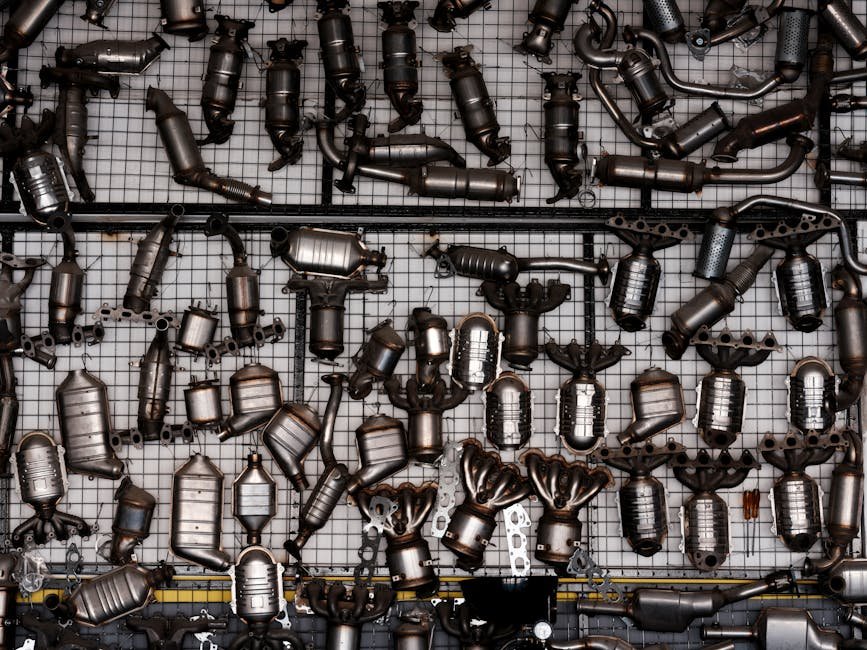
Grading is categorized primarily by the type of vehicle (e.g., domestic, import, heavy-duty) and the size of the converter. A professional scrap dealer will categorize your units into specific buckets: small, medium, large, and manifold converters. Manifold converters, which are attached directly to the engine block, often contain higher PGM levels due to the heat they must withstand. If you are preparing to Catalytic Converter Sell for Scrap: Complete Guide, ensure you have a clear inventory list of these serial numbers to get an accurate quote.
Where to Sell: Choosing the Right Buyer
Finding the right buyer is the difference between a fair market price and a low-ball offer. Avoid general scrap yards that treat catalytic converters as ‘dirty’ steel; they typically do not have the equipment to assay the precious metals accurately. Instead, look for specialized refiners or established aggregators like Ecotrade Catalytic Converter services that provide transparent pricing based on current London Metal Exchange (LME) spot prices.
When selecting a buyer, ask about their assay process. Do they perform a ‘buy on sight’ based on a catalog, or do they offer a ‘de-canning and assay’ service? The latter is more accurate for large quantities, as it involves grinding the ceramic into a homogeneous powder and testing it for exact metal content. Always verify that the buyer is licensed to handle hazardous waste and complies with local environmental regulations. A legitimate buyer will provide you with a detailed settlement report showing the weight, the assay results, and the price per gram for each metal.
Documentation and Legal Compliance
In Australia, the scrap metal industry is heavily regulated to prevent the trade of stolen goods. When you sell, you will likely be required to provide proof of identity and a record of the origin of the scrap. This may include a business registration, tax invoice, or a declaration that the units were sourced legally. Keeping thorough records protects you from potential legal issues and builds your reputation as a professional seller.
Ensure your buyer provides a ‘Certificate of Destruction’ or a similar document confirming that the unit has been recycled in accordance with environmental standards. This is not just for your records; it is a vital part of the audit trail for the entire recycling industry. If a buyer refuses to provide documentation or asks you to bypass standard identification procedures, treat it as a red flag and walk away.
The Environmental Benefits of Recycling
The environmental impact of recycling catalytic converters is profound. Mining for platinum and rhodium is an energy-intensive and ecologically destructive process. By recovering these metals from end-of-life vehicles, we reduce the need for primary mining, lower carbon emissions associated with metal extraction, and keep hazardous heavy metals out of landfills. Every converter recycled is a step toward a more sustainable automotive industry.
Furthermore, the recycling process itself has become cleaner over the decades. Modern facilities utilize closed-loop systems that capture dust and emissions during the smelting process, ensuring that the recycling operation itself does not contribute to pollution. When you choose to recycle, you are supporting a green supply chain that values resource efficiency over consumption.
Maximizing Your Returns: Pro Tips for Sellers
To get the best price, timing is everything. Keep an eye on global PGM spot prices. When the price of rhodium or palladium spikes, your scrap becomes significantly more valuable. However, don’t wait too long; market volatility is the nature of the beast. Another tip is to consolidate your scrap. Shipping or transporting a large volume of converters is more cost-effective than making multiple small trips, and many buyers offer better rates for larger, well-sorted batches.
Avoid ‘cherry-picking’ your high-value units and selling them separately from the low-value ones. While it might seem like a good idea, professional buyers prefer ‘run-of-mine’ (ROM) batches. If you present a professional, organized inventory, you establish credibility, which often leads to better long-term relationships and more favorable pricing tiers. Remember, the goal is to build a partnership with a buyer who views you as a reliable source of quality scrap.
The Future of Catalytic Converter Recycling
As the automotive industry shifts toward electric vehicles (EVs), some speculate about the future of the catalytic converter market. However, with millions of internal combustion engine vehicles still on the road and a long lifespan for these machines, the demand for PGM recycling will persist for decades. Furthermore, the technology used to extract metals from converters is being adapted to recycle battery components, meaning the expertise you gain today in the scrap trade will be highly transferable to the next wave of automotive recycling. Stay informed, keep your documentation tight, and continue to prioritize transparency in your transactions to ensure you remain profitable in this evolving industry.
In conclusion, the path to maximizing profit when selling scrap is paved with knowledge. By understanding the grading, choosing the right partners, and maintaining legal compliance, you turn a complex regulatory landscape into a consistent revenue stream. Whether you are a small operator or a large-scale collector, the principles remain the same: quality, transparency, and market awareness are your best tools. Use the resources provided by platforms like Scrap.Trade to stay updated on current market trends and ensure you are always getting the best value for your inventory.
Frequently Asked Questions
How do I know if my catalytic converter is valuable?
The value is determined by the precious metal content (platinum, palladium, and rhodium) inside the ceramic honeycomb. You can identify the potential value by locating the serial number on the casing and checking it against a professional recycler’s database.
Why is it important to use a licensed scrap dealer?
Licensed dealers are required to follow strict environmental and legal regulations, including verifying the origin of the scrap to prevent the trade of stolen goods. They also have the specialized equipment, such as XRF analyzers, necessary to provide an accurate and fair valuation of your scrap.
What documentation is required to sell scrap?
You will typically need a valid government-issued photo ID and proof of business registration if you are selling as a commercial entity. Some jurisdictions also require a declaration of origin to ensure the materials were sourced legally.
How often do scrap prices change?
Scrap prices for catalytic converters fluctuate daily, mirroring the spot prices of platinum group metals on the global commodities market. It is recommended to check current market trends before finalizing a sale to ensure you receive the most up-to-date pricing.