
Understanding how to sell copper effectively is the difference between earning pocket change and securing a significant return on your industrial or renovation waste. In the Australian scrap metal market, the value of your haul is determined by purity, cleanliness, and current global commodity trends. Whether you are a trade professional clearing a job site or a DIY enthusiast managing a home renovation, mastering the logistics of scrap metal management is essential. When you decide how to sell copper, you are entering a sophisticated supply chain that feeds directly into global manufacturing. This guide provides the expert-level insights required to navigate the industry, identify high-value materials, and ensure you receive the best price for your scrap. For those ready to move their inventory, you can Sell Scrap through our streamlined platform to connect with reputable buyers. Learning how to sell copper requires more than just finding a yard; it demands a deep understanding of how metal grades like Bare Bright and Number 2 copper are assessed by professionals.
Understanding Copper Grades and Market Value
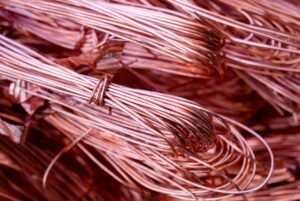
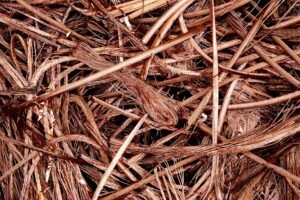
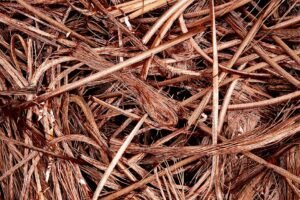
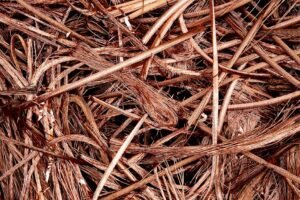
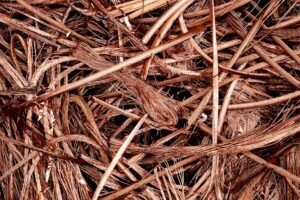
The Australian scrap market operates on a strict grading system. To get the best price, you must understand the distinction between grades. Bare Bright copper is the gold standard; it consists of clean, unalloyed, uncoated copper wire, usually 16-gauge or thicker, free of insulation, paint, or oxidation. This material is highly sought after because it can be melted down with minimal processing. In contrast, Number 2 copper includes wire that has been lightly tarnished, contains soldered joints, or has minor impurities. While still valuable, the copper price per kg for Number 2 is lower because the refinery must work harder to remove contaminants. Copper pipe is another common source of high-value scrap. If your pipe is free of heavy oxidation, lead-based solder, or plastic fittings, it often fetches a premium. We recommend visiting Scrap Copper to see visual guides on grading. Always aim to strip insulation from your cables. While it takes time, the weight of the copper compared to the weight of the plastic insulation significantly alters your profit margins. A scrap dealer will always pay more for ‘bright and shiny’ than for ‘heavy-coated’ wire.
The Logistics of Preparing Your Scrap
Preparation is the most critical step in maximizing your return. Many sellers lose money by bringing in mixed loads. When you mix clean copper wire with dirty, insulated, or contaminated materials, a yard will often grade the entire batch at the lowest common denominator—usually the Number 2 or even a ‘mixed copper’ rate. Sort your materials into distinct bins: Bare Bright, Number 1 pipe, Number 2 wire, and insulated cables. If you are dealing with large volumes, invest in a wire stripping machine. These tools pay for themselves quickly by allowing you to convert low-value insulated wire into high-value Bare Bright copper. Furthermore, ensure your copper pipe is cut into manageable lengths and that any brass fittings or plastic valves are removed. These ‘contaminants’ are often deducted from your total weight. For a deep dive into these techniques, refer to our guide on Copper Per Kilo How To Sell And Maximize Returns. By presenting clean, sorted material, you signal to the yard that you are a professional seller, which often leads to better long-term relationships and preferential pricing.
Selecting the Right Scrap Dealer
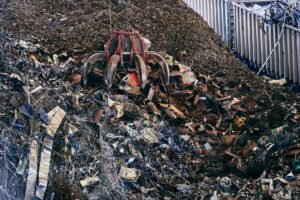
Not all yards are created equal. When searching for where to sell, prioritize yards that are transparent about their pricing. A reputable buyer will display their current copper price per kg, or at least provide a clear quote over the phone. Avoid yards that refuse to weigh your material in your presence. In Australia, the best scrap dealer will have certified digital scales that are calibrated regularly. Check for industry memberships or certifications, as these indicate a commitment to ethical business practices and environmental compliance. You can find a list of verified partners at Scrap Trade Australia. When you call, ask specifically for their current rates for ‘Bare Bright’ and ‘Number 2’ copper. If a yard is evasive, move on. Furthermore, consider the distance to the yard. If you have a small load, the cost of fuel might eat into your profits. For larger commercial quantities, some yards offer collection services, though this will usually result in a lower payout than if you deliver the material yourself. Always keep a record of your sales to track market trends over time.
Documentation and Legal Requirements
The Australian metal recycling industry is heavily regulated to prevent the trade of stolen goods. When you arrive at a scrap yard, you must be prepared to provide valid identification. This is not optional; it is a legal requirement under state-based scrap metal theft prevention acts. Acceptable forms of ID typically include a current Australian driver’s license, a passport, or a government-issued photo ID card. Additionally, many yards now require an ABN (Australian Business Number) if you are selling as a business or a trade contractor. If you are selling large quantities, you may be asked to provide proof of origin, such as an invoice from a demolition job or a letter of authority. Keeping clean, organized records of your transactions is also vital for your own tax purposes, as scrap metal income is considered taxable revenue for businesses. For a comprehensive overview of these requirements, read our resource: How to Sell Copper in Australia: Your Complete Guide. Being prepared with your paperwork makes you a preferred client and ensures the transaction process is seamless and professional.
Market Trends and Timing Your Sale
Copper is a global commodity, and its price is influenced by factors far beyond the local scrap yard. Demand from the construction sector, automotive manufacturing, and the transition to renewable energy all play a role in the daily copper price per kg. Tracking the London Metal Exchange (LME) can give you a general sense of where the market is heading, though remember that your local yard’s price will always be lower than the LME spot price to account for their processing costs and profit margins. If you have the storage space, consider hoarding your scrap until the market hits a peak. However, do not let this become a liability; copper is heavy and can be a target for theft if not stored securely. If you are a high-volume seller, consider negotiating a ‘fixed-plus’ contract with a local yard, where you receive a set margin above the daily LME price. This provides stability in a volatile market. Always stay informed by subscribing to industry newsletters and monitoring the performance of the Australian dollar, as a weaker AUD often correlates with higher local scrap prices due to the export-oriented nature of the industry.
Advanced Strategies for Industrial Sellers
For electricians, plumbers, and demolition contractors, copper is a significant revenue stream. If you are generating consistent scrap, treat it as a managed asset rather than a byproduct. Implement a ‘bin system’ on your job sites. Use color-coded containers for different grades of copper, which saves hours of sorting time at the end of a project. Train your staff on the value of different metals; a worker who knows the difference between clean copper pipe and brass fittings can save the company hundreds of dollars per week. When negotiating with a scrap dealer, leverage your volume. If you can guarantee a specific tonnage per month, you are in a strong position to demand higher rates. Do not be afraid to shop your business around. Many yards will match or beat a competitor’s price if it means securing a steady supply of high-grade material. Remember that the scrap industry is built on relationships. A yard that knows you are reliable, provide clean material, and have your paperwork in order will always prioritize your business, especially during market downturns when supply is tight.
Frequently Asked Questions
What is the difference between Bare Bright and Number 2 copper?
Bare Bright copper is clean, unalloyed, uncoated wire that is free of insulation and oxidation. Number 2 copper includes wire that is tarnished, contains solder, or has minor impurities, which reduces its value.
Do I need an ABN to sell scrap copper?
While individuals can often sell small amounts of scrap, professional tradespeople and businesses are required to provide an ABN. Most scrap yards will ask for an ABN and valid photo ID to comply with anti-theft regulations.
How often does the copper price per kg change?
The copper price per kg fluctuates daily based on global commodity markets like the London Metal Exchange. It is best to call your local scrap dealer on the morning of your visit to get the most accurate, up-to-date quote.
Is it worth stripping insulation from copper wire?
Yes, stripping insulation significantly increases the value of your scrap. Bare Bright copper fetches a much higher price than insulated wire, and the time spent stripping is usually well-compensated by the higher payout.