
When you decide to sell my appliances, you are entering a circular economy that rewards preparation and knowledge of metal markets. Many homeowners view old whitegoods as junk, but to a professional metal recycler, a washing machine, refrigerator, or oven is a treasure chest of high-value commodities like copper, aluminium, and steel. Understanding the intrinsic value of these items is the first step in ensuring you receive top dollar. Whether you are clearing out a garage or managing a commercial appliance upgrade, the process remains consistent: identify, prepare, and transport. If you are looking to maximize your return, you must treat your scrap as a refined product rather than a pile of waste. For those ready to move forward, our Sell Scrap portal provides the necessary tools to connect with verified buyers across the country. By following the steps outlined in How to Sell Old Appliances for Scrap Metal: The Ultimate Guide, you can transform heavy, cumbersome items into liquid cash while supporting sustainable environmental practices.
The Economics of Appliance Recycling: Why Preparation Matters
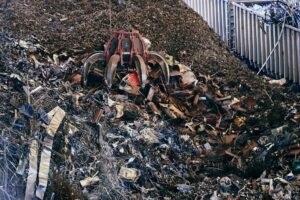
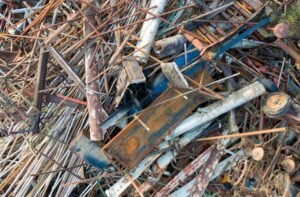
The scrap metal industry operates on global commodity prices, which fluctuate based on supply and demand. When you prepare to sell my appliances, you are essentially acting as a processor. A scrap dealer will always pay more for ‘clean’ scrap than ‘dirty’ or ‘mixed’ scrap. ‘Dirty’ scrap refers to appliances that still contain plastic, rubber, insulation, or hazardous materials like CFCs (chlorofluorocarbons) found in older fridges. These contaminants require the recycler to spend time and energy on separation. By doing this work yourself, you increase the value of your load significantly.
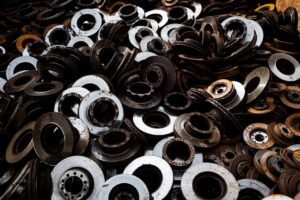
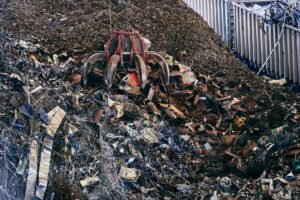
Consider the composition of a standard washing machine. It consists of a heavy steel outer shell, a stainless steel drum, and an electric motor containing copper windings. If you drop the entire unit off as a single piece, you will be paid the ‘light iron’ or ‘mixed steel’ price, which is the lowest tier. However, if you remove the motor—which contains high-value copper—and separate the stainless steel drum, you can sell those components individually for a much higher rate. This strategy is the secret to obtaining the best price in the Australian market. For those seeking local options, researching where to sell is simplified by using resources like Sell Scrap Metal Near Me In 2026 to find facilities equipped to handle your specific volume and material type.
Identifying High-Value Components
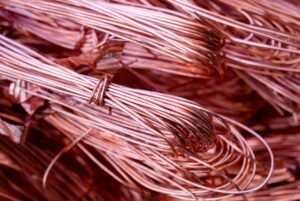
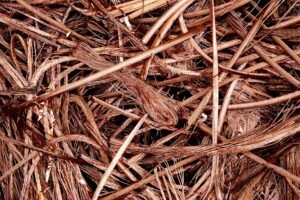
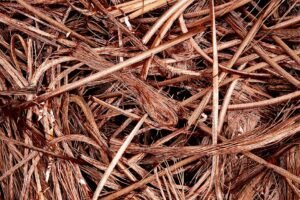
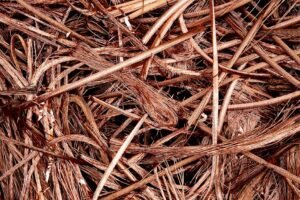
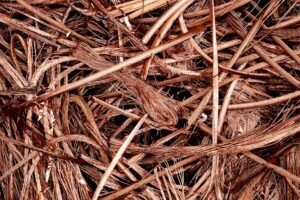
Not all parts of an appliance are created equal. To maximize your returns, you must learn to identify the ‘money’ parts. Copper wiring is the gold standard of the scrap world. Almost every appliance with a plug has a power cord, and many have internal wiring looms. These should be cut off and collected in a separate bin. Electric motors, found in dryers, washing machines, and dishwashers, contain heavy copper coils. These are highly sought after by recyclers. If you have a large volume of these, you might even consider using a wire stripping tool to extract the pure copper, which commands a premium price over insulated wire.
Aluminum is another common metal found in appliances, particularly in heat exchangers and some structural frames. It is lighter than steel and generally fetches a higher price per kilogram. Stainless steel, often found in the drums of washing machines or the interior lining of high-end ovens, is a distinct category. Do not mix stainless steel with mild steel; the scrap dealer will downgrade the entire load to the lower price. By keeping these metals segregated, you demonstrate professionalism, which often leads to better long-term relationships with your local yard. If your appliance happens to contain an automotive-style component, you might also be interested to Sell My Catalytic Converter, as these contain precious metals like platinum and palladium, often worth far more than the steel frame of the appliance itself.
Legal Requirements and Documentation
In Australia, the scrap metal industry is strictly regulated to prevent the trade of stolen goods. When you arrive at a facility to sell my appliances, you will be required to provide valid government-issued identification. This usually includes a driver’s license or a passport. Some states require additional documentation, such as proof of residency or a statutory declaration if you are selling large quantities of non-ferrous metal. These laws are designed to protect the industry and ensure that all transactions are traceable.
Furthermore, if you are a business owner selling commercial-grade appliances, you may need an ABN (Australian Business Number) and a tax invoice for the transaction. Always keep a record of your sales. This is not just for tax purposes; it helps you track your ‘scrap yield’ over time, allowing you to refine your collection and processing methods. Reliable recyclers, such as those listed at Scraptrade.com.au, prioritize compliance and transparency, ensuring that your transaction is handled legally and efficiently. Never deal with ‘cash-only’ buyers who refuse to record your details, as this is a red flag for illegal operations that may not offer fair market value.
Logistics: Transporting and Weighing Your Scrap
The final hurdle in the process is logistics. Appliances are heavy and bulky. If you have a large quantity, the cost of fuel and time may eat into your profits. Before you load up your trailer, call your local scrap dealer to confirm their current ‘buy’ prices for the specific types of metal you have. Some yards offer a ‘bin service’ for large quantities, where they drop off a skip bin at your location and collect it when full. This is often the most cost-effective solution for commercial clean-outs.
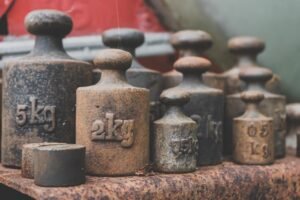
When you reach the yard, you will be directed to a weighbridge. Ensure your vehicle is weighed both ‘gross’ (full) and ‘tare’ (empty) to get an accurate reading. Watch the scale carefully. A reputable yard will have a digital display visible to the customer. If you have sorted your scrap, you will likely have multiple loads or piles. Ask for a separate weight for each category—copper, aluminum, stainless steel, and iron. This granular data allows you to verify your payout against the daily market rates. Remember, the best price is achieved through precision and honesty in the sorting process.
Market Trends and Future-Proofing Your Scrap Strategy
The Australian scrap metal market is increasingly influenced by global shifts toward green energy and the circular economy. As manufacturers face pressure to use recycled materials, the demand for secondary metals—those recovered from scrap—is rising. This is good news for anyone looking to sell my appliances. Prices for copper and aluminum are historically strong, driven by the electrification of the automotive and construction sectors. By staying informed about these trends, you can time your sales to coincide with market highs.
Additionally, technology is changing how we recycle. New sensor-based sorting technologies at large-scale facilities mean that even smaller, mixed loads are becoming easier to process. However, the ‘manual’ advantage remains. The more ‘clean’ you can make your scrap, the more you will outperform the average seller. Keep an eye on industry reports and local news regarding scrap metal prices. Many scrap dealers now provide SMS alerts or online dashboards where you can track price changes. Being proactive in your research will ensure that you are not just dumping waste, but actively participating in a profitable and necessary industrial supply chain. Whether you are a one-time seller or a regular contributor to the scrap market, your efforts in cleaning and sorting are directly rewarded at the scale.
Common Pitfalls to Avoid
One of the most common mistakes when selling appliances is failing to account for ‘hidden’ materials that can cause a load to be rejected. For example, many fridges and freezers contain coolant gases that are strictly regulated under the Ozone Protection and Synthetic Greenhouse Gas Management Act. If you bring a fridge to a recycler that is not equipped to handle gas extraction, they may turn you away or charge a disposal fee. Always call ahead to ask if they accept ‘whitegoods with gas.’ If they do, ensure the unit is intact so they can safely extract the refrigerant.
Another pitfall is the inclusion of ‘non-metal’ weight. While it might seem easier to leave the glass door on an oven or the plastic shelving in a fridge, this adds significant weight that is essentially worthless. In fact, it can be detrimental. If a recycler has to manually remove these items, they may impose a ‘deduction’ on your final payout to cover their labour costs. Always strip these items out. The time you spend with a screwdriver and a pair of pliers is time you are effectively paying yourself. Finally, never attempt to burn plastic-coated wire to ‘clean’ it. This is illegal in most Australian jurisdictions due to toxic emissions and will result in significant fines. Always use mechanical stripping methods to maintain the integrity and value of your copper.
Building a Relationship with Your Scrap Dealer
Consistency is key to getting the best price. If you find a yard that treats you well, offers fair prices, and has a transparent weighing process, stick with them. Over time, as you become a regular, the yard staff will get to know you and your material quality. They are more likely to offer you advice on how to better sort your loads or even provide a slightly better ‘loyalty’ rate for high-quality, pre-sorted scrap. This relationship is a two-way street; by providing them with clean, easy-to-process material, you save them money, and they, in turn, reward you with better service and pricing.
Ask the yard manager about their specific requirements for different grades. Some yards have specific preferences for how they want copper wire bundled or how they want aluminum extrusions separated. Adapting to these preferences makes you a ‘preferred supplier.’ This is the professional way to approach the scrap business. By treating your appliance recycling as a small-scale business venture, you remove the ‘junk’ mindset and replace it with a ‘commodity’ mindset. This shift in perspective is what separates the casual seller from the expert who consistently maximizes their returns every time they visit the yard.
Frequently Asked Questions
Do I need to clean my appliances before selling them for scrap?
Yes, cleaning appliances by removing plastic, glass, and rubber significantly increases their value. Separating these materials allows the recycler to pay you for the specific metal grades rather than a low ‘mixed scrap’ rate.
What documents do I need to sell my appliances to a scrap dealer?
In Australia, you must provide valid government-issued photo identification, such as a driver’s license or passport. Some facilities may also require an ABN if you are selling as a business.
Which parts of an appliance are the most valuable?
Copper wiring and electric motors are the most valuable components found in common appliances. Removing these items and selling them separately from the steel frame will yield the highest return.
Can I sell a fridge that still contains coolant gas?
You must check with your local scrap yard first, as they must be licensed to handle refrigerant gases. Many facilities will only accept fridges if the gas has been professionally removed or if they have the equipment to do it safely.