When you decide it is time to sell my car Mount Gambier, you are likely looking for a process that is both profitable and hassle-free. Mount Gambier, being a regional hub, has a robust network of automotive recyclers and scrap metal specialists ready to assist. Whether your vehicle is a non-runner, accident-damaged, or simply an end of life vehicle (ELV), understanding the local market dynamics is the key to maximizing your return. Selling a vehicle for scrap is not just about getting rid of an eyesore; it is an environmentally responsible way to contribute to the circular economy through professional vehicle recycling.
Understanding the Value of Your Vehicle in Mount Gambier
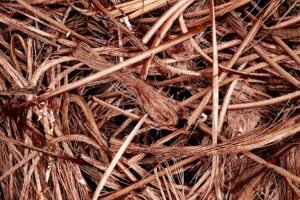
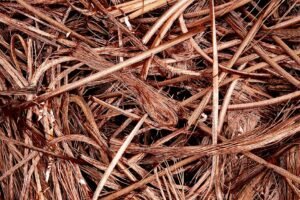
The value of a car destined for the scrap heap is determined by several factors, primarily the weight of the steel and the presence of valuable non-ferrous metals. When you look to sell my car Mount Gambier, you aren’t just selling a machine; you are selling a collection of raw materials. Modern vehicles contain significant amounts of aluminium, copper wiring, and precious metals found in the exhaust system. For instance, if you are looking to Sell My Catalytic Converter separately, you might find a higher return, as these units contain platinum, palladium, and rhodium.
To get the best price, you should avoid selling to the first buyer who makes an offer. Instead, compare quotes from local car wreckers. Remember that the market for scrap metal fluctuates based on global demand. If you are also clearing out your garage, you might want to look into how to Sell Scrap alongside your vehicle to maximize your total payout. Professional scrap dealers in the Limestone Coast region evaluate the vehicle based on its make, model, and the current market rate for scrap steel. A heavy vehicle like a large SUV or an old 4WD will naturally fetch a higher price than a small hatchback due to the sheer volume of metal involved.
The Process: How to Sell My Car Mount Gambier Effectively
The process of selling a scrap car is straightforward if you follow the correct legal and logistical steps. First, ensure you have your identification and proof of ownership ready. In South Australia, this is vital for the transfer of title. When you contact a dealer, be prepared to provide the VIN and an honest assessment of the vehicle’s condition. If the car is missing major components like the engine or transmission, mention this upfront, as it affects the weight and the recycling process.
You might find it helpful to visit local resources like supercheap mount gambier to see if they offer any trade-in or disposal advice, though professional scrap yards are your primary point of contact for end-of-life vehicles. Once you have agreed on a price, the dealer will arrange for the collection of the vehicle. This is a significant convenience, especially if the car is no longer roadworthy. Never pay for towing; a reputable dealer will include this in their service. For those in other parts of the state, you might also be interested in how to sell my car port pirie if you have assets located elsewhere.
Preparing Your Vehicle for Recycling
Before the tow truck arrives, there are several steps you should take to ensure a smooth transaction. Start by removing all personal items from the glove box, boot, and under the seats. Many people forget items like registration papers, spare keys, or even loose change. It is also important to remove your license plates, as you will need to notify Service SA that the vehicle has been disposed of. This protects you from any liability associated with the vehicle after it leaves your property.
If you are interested in the broader industry, you can learn more about the future of the trade by visiting Sell Scrap Metal Near Me In 2026. Understanding the industry trends helps you realize why scrap dealers are willing to pay for your car. They are not just buying a car; they are buying a supply of recyclable materials that are essential for manufacturing new products. By choosing a certified recycler, you ensure that hazardous fluids like oil, coolant, and battery acid are disposed of according to environmental regulations, preventing soil and water contamination in the Mount Gambier area.
The Role of Car Wreckers and ELV Processing
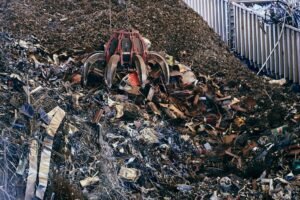
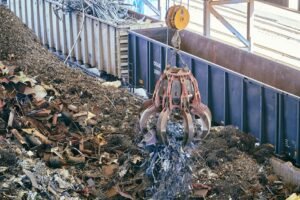
Car wreckers play a pivotal role in the automotive lifecycle. When a car reaches the end of its life (ELV), it is stripped of any usable auto parts that can be refurbished and sold. This is a sustainable practice that keeps high-quality components in circulation and reduces the demand for new, energy-intensive manufacturing. The remaining hulk is then crushed and shredded, with the metal sorted by magnets and eddy current separators. This high-tech approach ensures that almost every part of the car is recovered.
When you look for where to sell, prioritize businesses that hold environmental permits. You can find a wealth of information regarding nationwide recycling standards at the professional scrap metal trading platform. By dealing with experts, you are guaranteed that the vehicle is processed in a facility that adheres to Australian safety and environmental standards. This is the most ethical way to dispose of a vehicle that is no longer safe to drive.
Documentation and Legal Requirements
Selling a scrap vehicle requires minimal but essential paperwork. You must provide a copy of your driver’s license and proof of ownership. If the vehicle is registered, you should complete a ‘Notice of Disposal’ form. This is a critical step that many sellers overlook. By notifying the authorities, you confirm that you are no longer the registered owner of the vehicle. This prevents you from receiving future fines or registration renewal notices for a car that has been scrapped.
If the vehicle has been sitting for a long time and you have lost the registration documents, contact the Department of Planning, Transport and Infrastructure (DPTI) to confirm the process for declaring the vehicle as ‘scrapped’. Most scrap dealers are very familiar with this process and can guide you through it. They often handle the administrative side of the transfer, but the responsibility for notifying the government remains with the seller.
Maximizing Your Return: Tips for Sellers
To ensure you get the best price, timing can sometimes be a factor. Scrap metal prices fluctuate based on international demand. While you cannot predict the market perfectly, you can ensure your car is as accessible as possible for the buyer. If the car is parked in a garage or a difficult-to-reach spot, the buyer may charge a fee for the extra effort required to extract it. Clear a path for the tow truck to save time and potentially negotiate a better price.
Additionally, consider the value of individual parts. If your car has a set of high-quality alloy wheels or a relatively new battery, these items might have a higher resale value than the scrap metal price of the car itself. You could potentially remove these parts and sell them separately, provided the car remains a complete, towable unit for the scrap dealer. Always discuss this with the buyer beforehand to ensure they are still willing to purchase the vehicle.
The Environmental Impact of Vehicle Recycling
Choosing to recycle your vehicle is an act of environmental stewardship. Every year, thousands of vehicles in Australia are abandoned or sent to landfills, which is a waste of valuable resources. By choosing a professional recycling path, you ensure that steel, aluminium, and plastics are recovered and fed back into the industrial supply chain. This reduces the need for mining virgin ores and significantly lowers the carbon footprint associated with new metal production.
For more insights into how to handle large-scale metal disposal, you can visit the main portal at the leading scrap metal trading site. They provide resources that help both individuals and businesses understand the value of their scrap. In Mount Gambier, supporting local recyclers helps maintain a clean, green community. It is a win-win situation: you get paid for your unwanted vehicle, and the environment benefits from the responsible management of hazardous materials and the recovery of precious resources.
Conclusion: Taking the Next Step
Selling your scrap car in Mount Gambier does not have to be a daunting task. By researching local buyers, preparing the necessary documentation, and understanding the value of your vehicle’s components, you can ensure a profitable and environmentally sound transaction. Whether you are dealing with a rusted-out shell or a vehicle that has simply seen better days, there is always value to be found. Remember to prioritize safety, clear your personal items, and notify the relevant authorities to finalize the process. By following this guide, you are well on your way to a successful sale.
As you move forward, keep in mind that the scrap industry is constantly evolving. Staying informed about the latest recycling practices and market rates will always put you in a position of strength. If you have any further questions about the process or need to find a reputable dealer in your area, utilize the resources provided in this guide to connect with experts who can help you get the most out of your end-of-life vehicle.
Frequently Asked Questions
What is the first step when I decide to sell my car Mount Gambier?
The first step is to gather your proof of ownership and identification. Then, contact several local scrap dealers or wreckers to get quotes based on your vehicle’s make, model, and current condition.
Do I need to remove the registration plates before scrapping my car?
Yes, you should always remove your license plates before the car is towed. You must then notify Service SA that the vehicle has been disposed of to ensure you are no longer liable for it.
How do scrap dealers calculate the price for my car?
Dealers base the price on the current market value of the scrap metal, the weight of the vehicle, and the potential value of any salvageable auto parts. The presence of non-ferrous metals like copper and aluminum also influences the offer.
Is it better to sell my car for parts or for scrap?
Selling for parts can yield more money but requires significant time, effort, and mechanical knowledge to dismantle and market individual components. Selling for scrap is a much faster, easier, and more convenient option for most people.