
When you decide to sell old appliances online, you are entering a sophisticated ecosystem that balances consumer resale value against raw material commodity pricing. In the Australian market, the difference between a successful sale and a wasted asset often comes down to understanding whether your appliance holds more value as a working unit or as a source of high-grade scrap metal. If you are looking to maximize your returns, you must first assess the condition of the appliance. Functional items should be marketed to second-hand buyers, while non-functional units should be processed through metal recovery channels. For those ready to dive into the specifics of marketplace dynamics, Learn How To Sell Used Products Online to ensure your listings attract the right buyers. Understanding the lifecycle of your appliance is the first step in our comprehensive guide on how to sell old appliances online effectively.
The Dual-Market Approach: Resale vs. Scrap
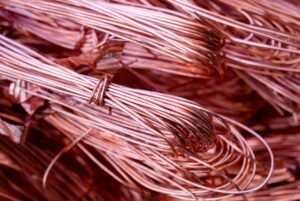
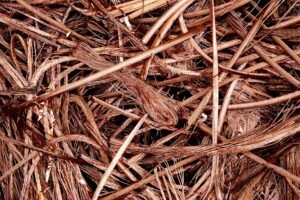
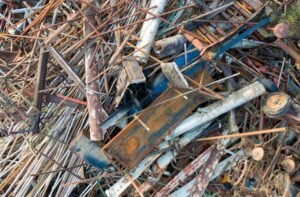
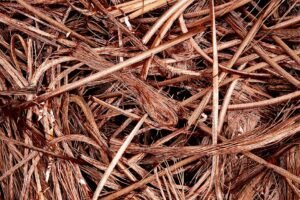
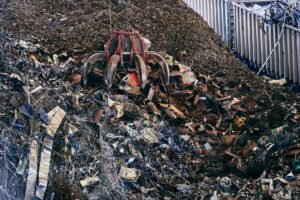
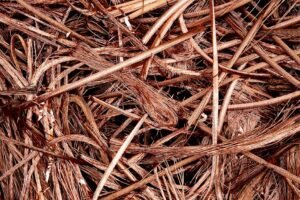
The Australian appliance market is bifurcated into two distinct streams: the secondary appliance market and the industrial scrap metal market. To get the best price, you must determine which stream your item belongs to. If you possess a modern refrigerator, washing machine, or dryer that is less than five years old and in working order, your primary goal is to target household consumers. However, if the appliance is damaged, obsolete, or beyond economic repair, it transitions into the realm of industrial recycling. In these cases, you are not selling a product; you are selling a collection of raw materials, including copper, aluminium, and steel. For detailed insights on handling specific metal components, refer to our guide on How To Sell Surplus Copper Wire Scrap Online, which provides the foundational knowledge required to identify high-value components often found inside heavy-duty appliances. Many sellers mistakenly discard these items, failing to realize that professional scrap dealers pay based on the weight and purity of these internal metals. If you are dealing with large-scale industrial units, you might also consider How To Sell Scrap Metal Online To International Buyers 2 to understand the broader export market. For a deeper dive into the mechanics of the recycling industry, read How to Sell Old Appliances for Scrap Metal: The Ultimate Guide.
Identifying Value: What Makes an Appliance Worth Money?
Not all appliances are created equal in the eyes of a scrap dealer. To ensure you receive cash for scrap, you must understand the material composition. Modern appliances contain a significant amount of ‘white goods’ scrap, which includes a mix of ferrous and non-ferrous metals. Ferrous metals, such as steel and iron, are heavy but lower in value, whereas non-ferrous metals like copper, brass, and aluminium are the true profit drivers. When you prepare to sell old appliances online, take the time to inspect the wiring. If you can safely remove the power cords and internal wiring harnesses, you can increase your payout significantly. This is because scrap dealers value clean, stripped copper far higher than mixed, insulated cable. Always use a professional scrap metal trading platform to check daily commodity prices before you commit to a sale. By tracking the London Metal Exchange (LME) or local Australian market indices, you can time your sale to coincide with price peaks, ensuring you get the best price for your materials.
Preparing Your Appliance for Sale: The Professional Standard
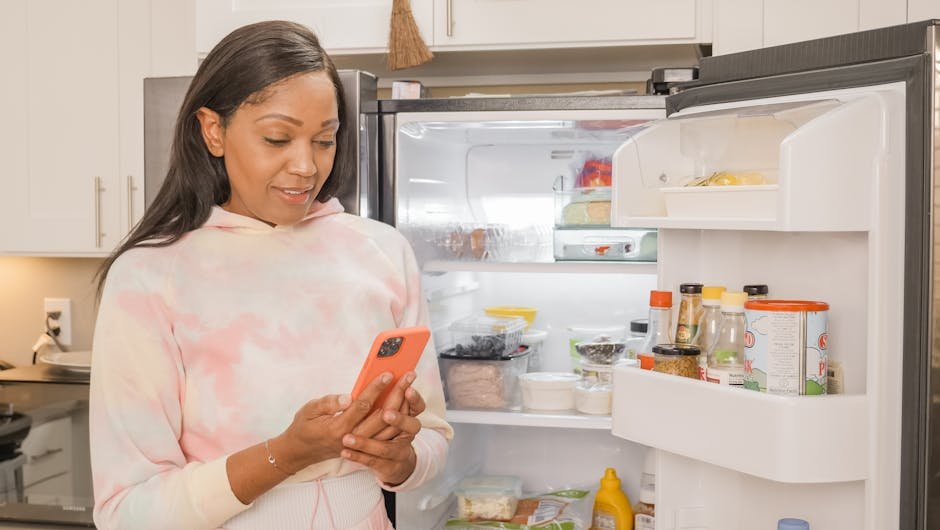
Preparation is the difference between a quick sale and a lingering listing. If you are selling a functional appliance, thorough cleaning is non-negotiable. A clean, well-photographed item can command 20-30% more than a dirty, neglected one. Remove all food debris from fridges, clear lint from dryers, and ensure that all hoses and power cables are included and neatly coiled. If you are selling for scrap, the preparation is different. You want to remove any non-metallic contaminants. Plastic casings, glass shelves, and rubber seals are considered ‘trash’ by scrap yards and can lead to a lower price per tonne due to the cost of disposal. By pre-sorting your scrap, you demonstrate professionalism, which often leads to better long-term relationships with local scrap dealers. Remember, when you sell old appliances online, the photos you provide are your only chance to prove the condition of the item. Take high-resolution images from multiple angles, including the manufacturer’s label, which contains vital information like the model number and energy rating, which buyers use to verify the appliance’s age and efficiency.
Navigating Online Platforms and Local Buyers
Where you choose to list your appliance depends on your target audience. Facebook Marketplace and Gumtree remain the dominant platforms for consumer-to-consumer sales in Australia. These platforms are excellent for functional items where you want to reach local buyers who can arrange their own transport. When writing your listing, be transparent about the condition. If there is a minor fault, mention it; this builds trust and prevents time-wasting haggling upon inspection. For scrap items, however, online marketplaces are often less effective than direct outreach. Instead of waiting for a buyer on a consumer platform, contact local scrap metal recycling facilities directly. Many yards offer ‘cash for scrap’ services and may even provide collection for large, heavy items if the volume is sufficient. Always verify the credentials of the dealer. A reputable dealer will operate with a valid scrap metal dealer’s license, which is a legal requirement in most Australian states. This ensures that the recycling process is environmentally compliant, particularly regarding the safe disposal of refrigerants found in air conditioners and fridges, which are strictly regulated under the Ozone Protection and Synthetic Greenhouse Gas Management Act.
Documentation and Legal Requirements
When you sell old appliances online for scrap, you are often required to provide specific documentation, especially if you are selling in bulk or as a business entity. In Australia, scrap metal dealers are required to comply with ‘cashless’ payment laws in several states to prevent the trade of stolen goods. Expect to provide a valid form of identification, such as a driver’s license, and potentially a bank account number for an electronic funds transfer. Keep a record of every transaction, including the date, the weight of the metal, and the price paid per kilogram. This documentation is essential for your own records and for tax purposes if you are frequently selling scrap. If you are selling functional appliances, ensure you provide a basic receipt or bill of sale, especially for high-value items, to protect yourself from any future claims regarding the item’s functionality. Clear communication and proper record-keeping are the hallmarks of a savvy seller who understands the value of their assets.
Maximizing Your Returns: Market Timing and Strategy
To truly master the market, you must treat your appliances as commodities. The scrap metal market is volatile and influenced by global manufacturing demand, particularly from China and Southeast Asia. When global demand for raw materials is high, local scrap yards will pay more to secure supply. Use resources from the leading industry portal for scrap metal news to stay informed about market trends. If you have a large volume of appliances, consider holding onto them until the market sentiment improves. Conversely, if you have limited storage space, prioritize the items with the highest copper content. Copper is a high-value metal that rarely loses its worth, making it a reliable asset to hold. By understanding the composition of your appliances—knowing, for example, that a dishwasher contains more valuable motor components than a microwave—you can prioritize which items to strip and which to sell as a whole. This strategic approach ensures that you are not just clearing space, but actively managing a portfolio of recyclable assets, effectively turning what many see as ‘junk’ into a consistent revenue stream.
Case Studies: Real-World Scenarios
Consider the case of a small business owner who regularly upgrades office kitchen equipment. Instead of paying a removalist to take away old fridges and microwaves, they began separating the copper power cables and the steel chassis. By selling the stripped copper to a specialist buyer and the steel to a local scrap yard, they turned a $200 disposal cost into a $150 profit per unit. Another example involves a household seller who listed a high-end washing machine on Facebook Marketplace. By cleaning the unit, providing a video of it in operation, and offering delivery for an extra fee, they sold the item in under two hours for the full asking price. These examples highlight that whether you choose to sell old appliances online to consumers or to industrial recyclers, the key is value-add. Whether it is through cleaning and marketing or through systematic dismantling, the effort you put into the process directly correlates to the financial return you receive. Utilize these strategies to transform your old appliances from liabilities into liquid assets, ensuring you always get the best price for your items in the competitive Australian market.
Frequently Asked Questions
Is it better to sell appliances as a whole or for scrap?
If the appliance is functional and less than 5-7 years old, you will almost always get a higher price by selling it as a working unit on a consumer marketplace. If the appliance is broken or obsolete, stripping it for scrap metal is the only way to recover value.
Do I need a license to sell scrap metal in Australia?
As an individual selling personal household items, you generally do not need a license. However, you must provide valid photo identification to the scrap yard, as most Australian states have strict regulations requiring dealers to record seller details to prevent the trade of stolen property.
How can I find the best price for my scrap metal?
Check current commodity prices for copper, aluminium, and steel on industry websites or the London Metal Exchange. Call 2-3 local scrap yards in your area to compare their current ‘buy’ rates, as prices can vary significantly based on their current inventory needs.
What should I do with old fridges that contain refrigerant?
Refrigerants are hazardous and strictly regulated. You must ensure the appliance is handled by a licensed scrap dealer who is certified to degas appliances, or take it to a council-approved recycling facility that follows environmental safety protocols for synthetic greenhouse gases.