
When you decide to sell plastic scrap, you are not just clearing out warehouse clutter or industrial waste; you are participating in a vital circular economy. As Australia moves toward stricter environmental regulations, the demand for high-quality, sorted plastic feedstock has never been higher. Whether you are a manufacturing business, a logistics firm, or a waste management contractor, understanding the nuances of the market is essential to maximizing your returns.
Understanding Plastic Scrap Grades and Sorting
The first step in the process is identifying exactly what you have. Plastic is not a homogenous material; it is a complex family of polymers, and recyclers pay based on purity and resin type. If you want to sell plastic scrap at a premium, you must avoid cross-contamination. Mixing PET with HDPE, for example, can render an entire batch worthless for high-end recycling.
Common grades include:
- PET (Polyethylene Terephthalate): Often found in bottles and food packaging.
- HDPE (High-Density Polyethylene): Common in crates, drums, and heavy-duty containers.
- LDPE (Low-Density Polyethylene): Typically found in industrial shrink wrap and plastic films.
- PP (Polypropylene): Used in automotive parts, battery cases, and rigid packaging.
- PVC (Polyvinyl Chloride): Used in pipes and construction materials.
To get the best price, you should implement a rigorous sorting system at the source. If you are looking for advice on how to handle other materials alongside plastics, check out our guide on How to Sell Aluminium Scrap in Australia | 2026 Guide. Proper segregation ensures that your Plastic Scrap maintains its value throughout the supply chain.
How the Recycling Process Works
Understanding how your material is processed helps you appreciate why quality control is so important. Once you contact a scrap dealer, your plastic is usually collected and transported to a processing facility. The steps include:
- Shredding: Large plastic items are broken down into smaller flakes.
- Washing: Removing labels, adhesives, and organic contaminants.
- Sorting/Density Separation: Using water or air to separate different types of plastics based on their weight.
- Extrusion: Melting the flakes down and turning them into pellets, which are then sold to manufacturers to create new products.
If you are looking for a streamlined way to manage your waste, you might want to Sell Scrap through our dedicated portal. By understanding the end-to-end process, you can better prepare your materials to meet the specific requirements of the recycling facility, thereby increasing your chances of getting the best price for your volume.
Where to Sell and Finding a Reliable Partner
Knowing where to sell is the difference between a profitable transaction and a logistical headache. You need a partner who offers transparency in weighing, fair market pricing, and reliable logistics. For those in the industry, knowing Sell Scrap Metal Near Me In 2026 is a common search, but plastic requires a different set of specialized buyers. Many scrap metal yards do not handle high volumes of plastic, so it is crucial to verify the capabilities of your chosen buyer.
If you are wondering about the digital landscape, our guide on How to Sell Scrap Online in Australia: A Complete Guide provides actionable insights into navigating online marketplaces. When you sell plastic scrap, always ask for a certificate of recycling or a waste transfer note. This documentation is not only important for your own environmental compliance but also proves that your waste is being handled ethically.
Documentation and Environmental Compliance
In Australia, environmental regulations are becoming increasingly stringent. When you deal with professional scrap buyers, they will often require specific documentation to ensure the material is non-hazardous. This may include:
- Waste Classification: Ensuring the material is not contaminated with hazardous chemicals.
- Chain of Custody: Tracking the movement of the material from your site to the final processor.
- Tax Invoices: Essential for your business records when receiving cash for scrap.
Environmental benefits are the primary driver of the industry. By diverting plastic from landfills, you are reducing the carbon footprint of your business and preserving natural resources by reducing the need for virgin plastic production. Every tonne of plastic recycled saves significant amounts of energy and reduces greenhouse gas emissions.
Maximizing Your Returns: Expert Tips
To ensure you get the most value for your materials, consider these expert tips:
- Minimize Moisture: Water adds weight and can lead to mold, which degrades the quality of the plastic.
- Remove Non-Plastic Attachments: Metal rings, paper labels, and rubber seals can contaminate your batch.
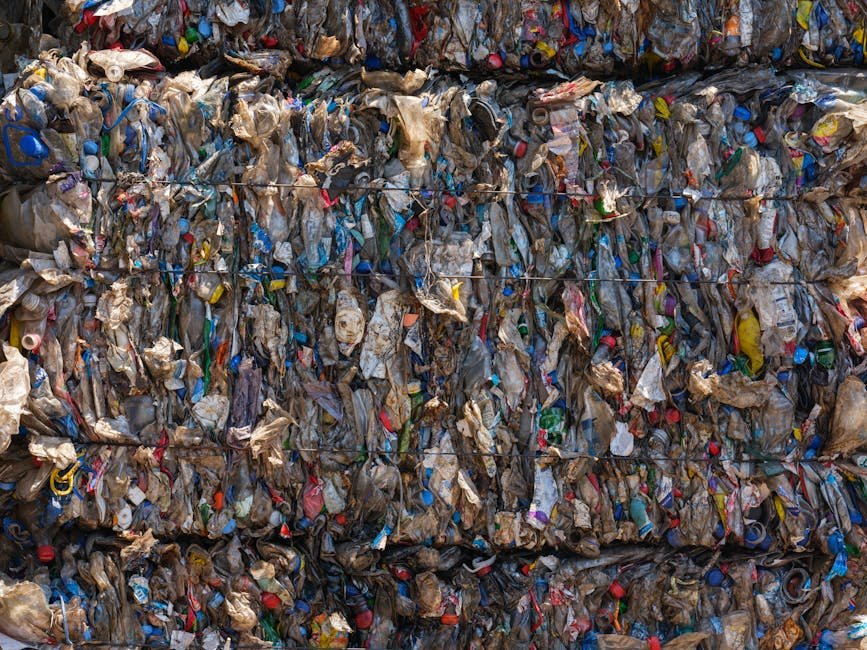
- Baling: If you have high volumes, investing in a baler can significantly reduce transport costs and increase the value of your load.
- Build Relationships: Consistency is key. A recycler who knows your material is clean and sorted is more likely to offer you preferential pricing.
As you scale your operations, keep an eye on market fluctuations. Plastic prices, like metal prices, are subject to global supply and demand. By staying informed, you can choose the right time to move your stock.
Future Trends in Plastic Recycling
The Australian industry is currently undergoing a massive transformation. With the implementation of the National Waste Policy Action Plan, there is a renewed focus on domestic processing. This means that in the coming years, we will see more facilities capable of handling complex plastic streams. This is great news for businesses, as it means more competition for your scrap and potentially more competitive pricing. Always keep your options open and continue to evaluate your waste management strategy to ensure you are getting the best possible value.
Frequently Asked Questions
How do I identify the plastic grade for recycling?
Look for the resin identification code, which is a number inside a triangle symbol on the product. Common numbers include 1 for PET, 2 for HDPE, and 5 for PP.
Does the cleanliness of the plastic affect the price?
Yes, significantly. Clean, dry, and sorted plastic is considered high-grade feedstock and will command a much higher price than contaminated or mixed loads.
What documentation do I need to sell plastic scrap?
You generally need a valid tax invoice, identification for the business, and any relevant waste transfer certificates required by local environmental authorities.
Why should I use an online platform to sell my scrap?
Online platforms connect you with a wider network of verified buyers, allowing you to compare prices and find the most efficient logistics solutions for your location.