
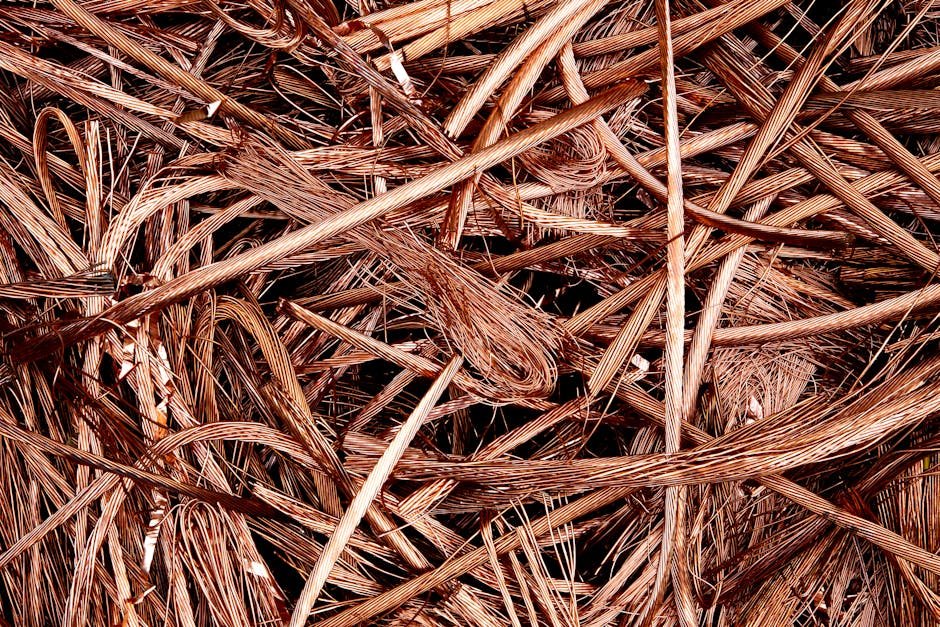

When you decide to sell scrap aluminium wire, you are participating in a multi-billion dollar circular economy that preserves energy and reduces the need for virgin ore mining. Whether you are an electrician clearing out a job site or a construction manager managing demolition waste, understanding the nuances of the scrap metal market is essential to maximizing your returns. In Australia, the demand for high-quality secondary aluminium continues to grow, making it more important than ever to know how to prepare your materials correctly.
Understanding Aluminium Scrap Grades and Market Value
The first step in the process is recognizing that not all aluminium is created equal. When you sell scrap aluminium wire, the price you receive is heavily dependent on the purity and the presence of contaminants. Aluminium is typically traded in several distinct grades, each with its own price point determined by the London Metal Exchange (LME) and local supply-demand dynamics.
- EC Aluminium Wire: This is the gold standard of aluminium scrap. It is Electrical Conductor grade, typically found in high-voltage power lines and overhead cables. Because it is highly pure, it fetches the highest prices.
- Aluminium Extrusion: Often found in window frames, door frames, and architectural components. This is a clean, wrought alloy that is highly sought after by recyclers.
- Aluminium Cans: Known as UBCs (Used Beverage Cans), these are a common form of scrap but require high-volume collection to be profitable.
- Mixed Aluminium: This includes items that are cast or painted, or materials that have been contaminated with steel screws, plastic, or rubber. This grade commands the lowest price.
When you look to sell aluminium scrap, you must ensure that your materials are sorted. Mixing grades can downgrade your entire load to the lowest common denominator, significantly reducing your profit margin. Always check for steel attachments or heavy oxidation, as these contaminants will lead to deductions at the weighbridge.
Preparation: How to Maximize Your Payout
Preparation is the difference between a good payout and a great one. Many people attempt to sell scrap aluminium wire while it is still encased in its plastic or rubber insulation. While some yards will accept insulated cable, it is almost always more profitable to strip the insulation if you have the tools to do so. This is similar to the logic applied when you How To Sell Surplus Copper Wire Scrap Online, where the purity of the metal dictates the final price.
If you are dealing with large volumes of cable scrap, consider investing in a wire stripping machine. These devices pay for themselves quickly by allowing you to separate the aluminium conductor from the plastic coating. The plastic insulation is often considered waste, whereas the clean aluminium wire is a premium commodity. If you cannot strip the wire, ensure you categorize it as ‘insulated’ when calling for a quote, as the recycler will need to factor in the processing costs of separating the materials.
Where to Sell Your Scrap Metal in Australia
Finding a reliable buyer is crucial. You want a partner who provides transparent pricing, accurate weighing, and prompt payment. With the rise of digital platforms, it has never been easier to Sell Scrap. Our platform connects you with verified buyers across the country. If you are wondering how to find a facility, searching for Sell Scrap Metal Near Me In 2026 will provide you with a list of reputable yards that adhere to Australian environmental standards and fair trade practices.
For those managing large industrial projects, it is worth looking at professional scrap metal trading services that specialize in bulk logistics. These companies often provide skip bins or collection services, which can save you significant time and transport costs. If you are specifically looking to sell scrap wire, ensure you ask the buyer about their current ‘buy’ price per kilogram, as this fluctuates daily based on the global market.
The Recycling Process: From Scrap to New Metal
Once you have successfully sold your scrap, it enters a sophisticated recycling loop. Aluminium is a ‘permanent’ material, meaning it can be recycled infinitely without losing its physical properties. The process begins with shredding and sorting. Powerful magnets are used to remove any ferrous metals (iron and steel), while eddy current separators are used to eject non-metallic contaminants like plastic and glass.
After the aluminium is cleaned, it is melted in massive furnaces. This process uses approximately 95% less energy than producing new aluminium from bauxite ore. The molten metal is then cast into ingots or billets, which are then sold back to manufacturers to create new products, ranging from aircraft parts to new aluminium extrusions. By choosing to recycle, you are directly contributing to a lower carbon footprint for the entire manufacturing sector.
Environmental Benefits and Sustainability
The environmental impact of recycling aluminium cannot be overstated. Mining bauxite, the raw material for aluminium, is an energy-intensive and ecologically disruptive process. It involves clearing large tracts of land and processing ore with caustic chemicals. By contrast, recycling existing aluminium scrap is a highly efficient way to meet global demand.
Furthermore, the recycling of insulated cable scrap prevents hazardous materials from ending up in landfills. When cables are dumped, the PVC or rubber insulation can break down and leach toxins into the soil and groundwater. Professional recycling facilities are equipped to handle these materials safely, ensuring that the plastic is either recycled or disposed of in an environmentally compliant manner.
Documentation and Legal Requirements
When you sell scrap metal in Australia, you are subject to specific state-based regulations designed to prevent the trade of stolen goods. Most states require you to provide valid photo identification, such as a driver’s license or passport. Additionally, you may need to provide a bank account number for electronic funds transfer, as many scrap yards are moving away from cash payments to ensure a transparent audit trail.
If you are a business owner, you may need to provide an ABN and potentially a tax invoice for the transaction. Keeping accurate records of your sales is not just good business practice—it is often a legal requirement for tax purposes. Always ask for a weighbridge receipt that clearly states the weight, the grade of the material, and the price paid per unit.
Market Trends and Future Outlook
The scrap metal market is inherently volatile, influenced by global industrial production, trade tariffs, and the transition toward green energy. As the world moves toward electric vehicles and renewable energy infrastructure, the demand for high-conductivity metals like aluminium and copper wire is expected to rise. This shift ensures that scrap metal will remain a valuable commodity for the foreseeable future.
Staying informed about the market is key. Subscribe to industry newsletters or monitor the LME prices to get a sense of when to sell. If the market is currently experiencing a dip, it might be better to store your scrap until prices recover. However, for most small-scale sellers, the best strategy is to sell regularly to maintain cash flow and keep your workspace clear of clutter.
Common Mistakes to Avoid
One of the biggest mistakes sellers make is failing to clean their scrap. While it might seem like a small amount of dirt or plastic won’t matter, it can lead to a significant price reduction. Another common error is failing to shop around. Prices can vary significantly between different yards based on their current inventory and their proximity to export hubs. Always get at least two quotes before committing to a sale.
Finally, safety should be your top priority. Scrap metal can be sharp, heavy, and potentially hazardous if it contains electrical components. Always wear appropriate personal protective equipment (PPE), including gloves and steel-toed boots, when handling and transporting your scrap. If you are unsure about the nature of a specific piece of scrap, ask the buyer for guidance before attempting to process it yourself.
Conclusion
Selling your scrap aluminium wire is a smart financial and environmental decision. By taking the time to sort, clean, and find the right buyer, you ensure that you receive the maximum value for your materials. Whether you are a professional contractor or an individual with a small pile of wire, the steps outlined in this guide will help you navigate the Australian scrap market with confidence. Remember to prioritize safety, keep your documentation in order, and utilize digital platforms to stay connected with the best buyers in the industry.
Frequently Asked Questions
Is it worth stripping insulation from aluminium wire?
Yes, it is almost always worth it. Stripping the insulation increases the purity of the aluminium, which allows you to sell it as a higher-grade product and receive a significantly better price per kilogram.
What identification do I need to sell scrap metal?
In Australia, you typically need a valid government-issued photo ID, such as a driver’s license or passport. Some yards may also require an ABN if you are selling on behalf of a business.
How often do scrap metal prices change?
Scrap metal prices are volatile and can change daily. They are influenced by global market trends, the London Metal Exchange, and local demand for recycled materials.
Can I sell dirty or mixed aluminium scrap?
Yes, you can sell mixed or dirty scrap, but it will be classified as a lower grade. This means you will receive a lower price compared to clean, sorted aluminium.











