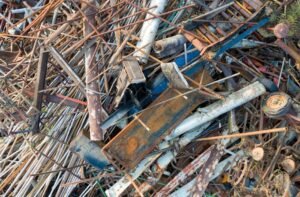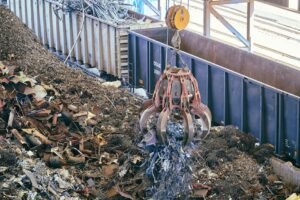

Understanding how to sell scrap metal effectively is essential for individuals and businesses across Australia looking to turn waste into cash. Whether you’re clearing out old appliances, construction debris, or industrial offcuts, knowing the right processes, regulations, and market dynamics ensures you sell scrap metal at the best price. This comprehensive guide covers every aspect of the scrap metal lifecycle—from preparation and grading to locating trusted dealers and maximising returns—while highlighting the environmental and economic benefits of recycling. If you’re ready to sell scrap metal, this authoritative resource will equip you with expert insights and practical steps to navigate the industry confidently.
Why You Should Sell Scrap Metal
Selling scrap metal isn’t just about making extra money—it’s a sustainable practice that supports Australia’s circular economy. Every year, millions of tonnes of metal waste are generated from households, construction sites, automotive repair shops, and manufacturing facilities. Instead of ending up in landfills, this material can be recycled and repurposed into new products, reducing the need for raw mining and conserving energy.
From copper wiring and aluminium sheets to steel beams and household appliances, nearly all metals have resale value. By choosing to Sell Scrap, you contribute to resource efficiency and reduce greenhouse gas emissions. For example, recycling aluminium saves up to 95% of the energy required to produce new aluminium from bauxite ore. Similarly, steel recycling reduces CO₂ emissions by over 50% compared to virgin production.
Moreover, the financial incentive is real. With global demand for base and precious metals rising—driven by infrastructure development, electric vehicle production, and renewable energy systems—the market for recycled scrap remains strong. Whether you’re an individual with a few kilograms of copper or a contractor managing tonnes of demolition waste, there’s a buyer willing to pay cash for scrap.
Where to Sell Scrap Metal in Australia
Finding the right place to sell scrap metal is crucial for safety, legality, and profitability. Not all scrap yards are created equal—some offer better pricing, cleaner facilities, faster service, and more transparent weighing practices. The key is to identify reputable, licensed scrap metal recyclers near you.
One of the most efficient ways to locate a nearby facility is through digital platforms like Scrap.Trade, Australia’s leading online scrap metal trading and recycling network. It connects sellers with verified dealers, streamlining the process of comparing prices and arranging drop-offs. For those searching for convenience, the guide Sell Scrap Metal Near Me In 2026 provides updated maps, contact details, and real-time pricing data across major cities and regional areas.
In urban centres like Perth and Sydney, local demand is high due to industrial activity and population density. If you’re based in Western Australia, sell scrap metal perth offers targeted advice on regional pricing trends, depot locations, and regulatory compliance. Similarly, residents in Western Sydney can refer to sell scrap metal leppington for hyperlocal guidance on accessing nearby recycling centres with competitive rates.
Rural and regional operators shouldn’t feel left out. Many mobile scrap collectors operate across remote areas, offering pickup services for bulk loads. Alternatively, joining industry groups or checking with local councils can reveal temporary collection events or partnerships with national recyclers like Sims Metal or APR Energy.
How to Get the Best Price When Selling Scrap Metal
Maximising your return when you sell scrap metal involves more than just showing up with a truckload of old pipes. Several factors influence the final payout, including metal type, purity, preparation, timing, and negotiation skills.
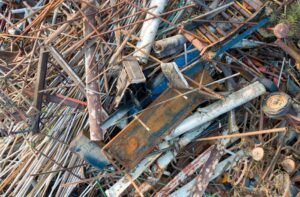
Know Your Grades: Different grades of scrap command vastly different prices. For instance, bare bright copper (clean, uncoated wire) fetches the highest rate, while mixed copper with insulation sells for less. Similarly, #1 heavy melting steel (HMS 1) is priced above shredded or contaminated steel. Always sort your materials before delivery—dealers often apply deductions for contamination or mixed loads.
Track Market Prices: Scrap metal values fluctuate daily based on global commodity markets, exchange rates, and supply chain dynamics. Websites like Metal Prices and industry reports from the Australian Bureau of Statistics provide real-time benchmarks. Use these as reference points when negotiating with a scrap dealer to ensure you’re getting a fair deal.
Prepare and Clean: Remove non-metal components such as plastic, rubber, wood, or dirt. Clean, well-sorted metals not only weigh more accurately but also avoid processing fees. For example, stripping insulation from electrical cables increases copper recovery and boosts value.
Shop Around: Don’t assume the first quote is the best. Call or visit multiple yards to compare buy-back rates. Some dealers may offer bonuses for volume, regular deliveries, or referrals. Always ask if their price includes weighbridge fees, handling charges, or GST deductions.
Time Your Sale: Prices tend to rise during periods of strong industrial demand—typically in spring and summer when construction activity peaks. Avoid selling during economic downturns or global trade disruptions unless urgent liquidity is needed.
Negotiate Transparently: Reputable dealers will explain how they calculate weight and price. Ask for a breakdown of tare weight (container weight), net weight, and per-kilo rate. If something seems off, request a re-weigh or seek a second opinion. Remember, transparency builds trust—and repeat business.
Documents Needed to Sell Scrap Metal in Australia
To combat metal theft and ensure legal compliance, Australian states and territories have strict identification requirements for anyone looking to sell scrap metal. These laws vary slightly by jurisdiction but generally require proof of identity and address.
Commonly accepted documents include:
- Valid photo ID (driver’s licence, passport, or proof-of-age card)
- Proof of residence (utility bill, lease agreement, or bank statement issued within the last three months)
- For businesses: ABN, company registration documents, and authorised signatory verification
- In some cases, a statutory declaration explaining the origin of the material
Most scrap yards use electronic logging systems to record seller information, transaction details, and material descriptions. This data is retained for audit purposes and may be shared with law enforcement if suspicious activity is detected.
It’s important to note that dealers are prohibited from accepting anonymous sales or cash payments without proper ID. Attempting to bypass these rules can result in refusal of service, fines, or even criminal charges under state anti-theft legislation.
Always bring originals—photocopies or digital versions are typically not accepted. If you’re selling on behalf of a business or estate, ensure you have written authorisation. Being prepared with the correct paperwork streamlines the process and helps you get paid quickly and securely.
Understanding Scrap Metal Grades and Categories
Accurate grading is the foundation of fair pricing in the scrap industry. Metals are categorised based on composition, form, and condition. Misidentification can lead to undervaluation or rejection. Here’s a breakdown of the most common types and their market value:
Copper: One of the most valuable non-ferrous metals. Subtypes include:
- Bare Bright: Clean, uncoated copper wire — highest price
- #1 Copper: Clean tubing or wire with minimal tarnish
- #2 Copper: Slightly oxidised or soldered pieces
- Insulated Copper: Lower value due to processing costs
Aluminium: Lightweight and widely used in construction and packaging.
- Cast Aluminium: Engine blocks, pistons — moderate value
- Extruded Aluminium: Window frames, trim — higher purity
- Aluminium Cans: Beverage containers — low value but highly recyclable
Stainless Steel: Resistant to corrosion; used in kitchens, medical equipment, and industrial parts.
- 304 (18/8): Most common grade, high nickel content
- 316 Marine Grade: Contains molybdenum, higher value
- 430 Ferritic: Lower alloy content, less valuable
Ferrous Metals (Iron & Steel): Magnetic and less valuable than non-ferrous but traded in large volumes.
- HMS 1 (Heavy Melting Steel): Thick sections over 6mm
- HMS 2: Thinner steel, includes punchings and plate
- Shredded Steel: Processed fragments, often from automobiles
Brass: Alloy of copper and zinc; found in plumbing fixtures and musical instruments.
- Red Brass: High copper content, more valuable
- Yellow Brass: Higher zinc content, common in fittings
- Car Radiators: Mixed material, lower value unless separated
Other specialty metals like lead (from batteries), zinc, and nickel alloys also have niche markets. Always verify the grade before selling—many dealers offer free onsite sorting assistance to help customers maximise returns.
How Scrap Metal Recycling Works: From Collection to Reprocessing
The journey of scrap metal from your driveway to a new product involves several high-tech stages. Understanding this process underscores why proper sorting and preparation matter—and how your participation supports sustainability.
Step 1: Collection and Delivery
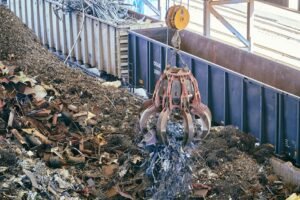
Scrap is collected via drop-off at recycling centres, scheduled pickups, or mobile collection units. Once delivered, it’s weighed on certified scales and logged into the system.
Step 2: Sorting and Grading
Materials are sorted manually and mechanically using magnets, eddy current separators, and optical scanners. Ferrous metals are pulled out first, followed by separation of non-ferrous types. Contaminants like plastic or wood are removed to improve purity.
Step 3: Processing
Large items are sheared, cut, or baled for easier handling. Wire is granulated to separate copper from insulation. Aluminium is shredded and dried to remove coatings. Steel is compacted into dense bundles suitable for furnace feeding.
Step 4: Shredding and Separation
Automotive and electronic scrap often go through industrial shredders. The resulting fragments are separated using air classifiers, magnets, and water flotation systems. Non-metallic residues (ASR) are responsibly disposed of or repurposed.
Step 5: Melting and Refining
Sorted metals are transported to smelters where they’re melted in electric arc furnaces (EAF) or induction furnaces. Impurities are skimmed off, and alloys are adjusted to meet specifications. Recycled steel, for instance, can be indistinguishable from primary steel in quality.
Step 6: Casting and Distribution
Molten metal is cast into billets, ingots, or coils and shipped to manufacturers. These raw materials are then used to produce everything from new cars and appliances to building structures and consumer electronics.
This closed-loop system prevents resource depletion and drastically cuts energy use. According to the Australian Council of Recycling Industries (ACOR), over 70% of steel in Australia is made from recycled content. For more details on local operations, explore Scrap Metal Recycling Near Me, which maps facilities using advanced sorting and processing technologies.
Environmental and Economic Benefits of Selling Scrap Metal
Recycling scrap metal delivers dual benefits: environmental protection and economic growth. On the ecological front, it reduces reliance on finite natural resources, lowers carbon emissions, and minimises landfill use. On the economic side, it supports thousands of jobs in collection, sorting, transportation, and manufacturing.
Consider these key impacts:
- Energy Savings: Producing steel from recycled scrap uses 60–75% less energy than from iron ore. Recycling one tonne of steel saves 1,100kg of iron ore, 630kg of coal, and 55kg of limestone.
- Greenhouse Gas Reduction: The Australian steel industry avoids over 10 million tonnes of CO₂ annually through recycling—equivalent to taking 2 million cars off the road.
- Water Conservation: Recycling metals requires significantly less water than mining and refining raw materials.
- Job Creation: The recycling sector employs over 50,000 Australians directly and supports many more in related industries.
- Resource Security: Domestic scrap recycling reduces dependence on imported raw materials, enhancing supply chain resilience.
Additionally, community participation in scrap recycling fosters environmental awareness. Schools, councils, and businesses run scrap drives to fundraise or meet sustainability targets. Even small contributions—like recycling old laptops or kitchen appliances—add up when multiplied across the population.
Platforms like ScrapTrade.com.au provide tools for tracking environmental impact, calculating CO₂ savings, and connecting with eco-conscious buyers. They also promote ethical practices, ensuring that all transactions support legal and sustainable recycling.
Practical Tips for First-Time Sellers
If you’re new to the world of scrap metal trading, here are essential tips to ensure a smooth, profitable experience:
- Start Small: Begin with a manageable load—like old electrical cables, gutters, or empty gas bottles—to learn the process without overcommitting.
- Use a Tarp or Bin: Store scrap securely to prevent theft and contamination from rain or dirt.
- Strip Insulation: Remove plastic sheathing from wires to increase copper value.
- Check for Hidden Metals: Appliances often contain valuable copper motors, aluminium heat exchangers, and stainless steel components.
- Ask About Payment Methods: Most yards pay cash for scrap on the spot, but some offer EFT or bank transfer for larger transactions.
- Keep Records: Save receipts and weight tickets for tax or business reporting purposes.
- Verify Dealer Licences: Ensure the scrap yard holds current state-issued permits and follows environmental regulations.
- Report Suspicious Activity: If a dealer offers unusually high prices or doesn’t require ID, it could be a red flag for stolen goods.
Remember, every kilogram counts. Whether you’re cleaning out a garage or managing industrial waste, taking the time to sort, clean, and research prices pays off. The more informed you are, the more likely you are to get paid the best price and contribute meaningfully to Australia’s recycling future.
Frequently Asked Questions
What ID do I need to sell scrap metal in Australia?
You typically need a valid photo ID (like a driver’s licence or passport) and proof of address (such as a utility bill). Business sellers must provide ABN and authorisation documents.
Where can I find the best price to sell scrap metal near me?
Use online platforms like Scrap.Trade to compare real-time prices from licensed dealers. Check local yards, read reviews, and call ahead to confirm rates before dropping off your load.
How is scrap metal weighed and priced?
Scrap is weighed on certified scales after deducting container weight (tare). Prices are based on current market rates per kilogram, adjusted for metal type, purity, and condition.
Can I get cash for scrap without ID?
No, Australian law requires valid identification to prevent metal theft. All reputable scrap dealers will ask for ID before accepting materials or making payments.