
When you decide to sell scrap wire, you are participating in a vital circular economy that preserves natural resources and reduces landfill waste. Whether you are an electrician clearing out a job site or a homeowner cleaning out a garage, understanding the nuances of the scrap metal market is the difference between a modest payout and a significant profit. To sell scrap wire effectively, you must understand the grading system, the impact of insulation, and how to navigate the Australian market effectively.
Understanding the Value of Copper Wire and Cable Scrap
The primary value in any wire scrap lies in the metal contained within the insulation. Copper is a highly conductive, infinitely recyclable metal, making it one of the most sought-after commodities in the global market. When you look at your pile of electrical wire scrap, you are essentially looking at a refined mineral deposit. The market value fluctuates based on the London Metal Exchange (LME) prices, but your ability to extract maximum value depends on how you present the material to a scrap dealer.
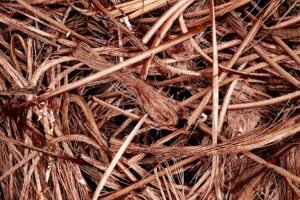
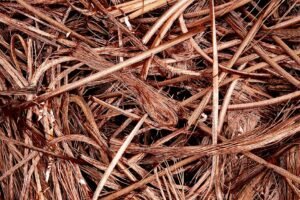
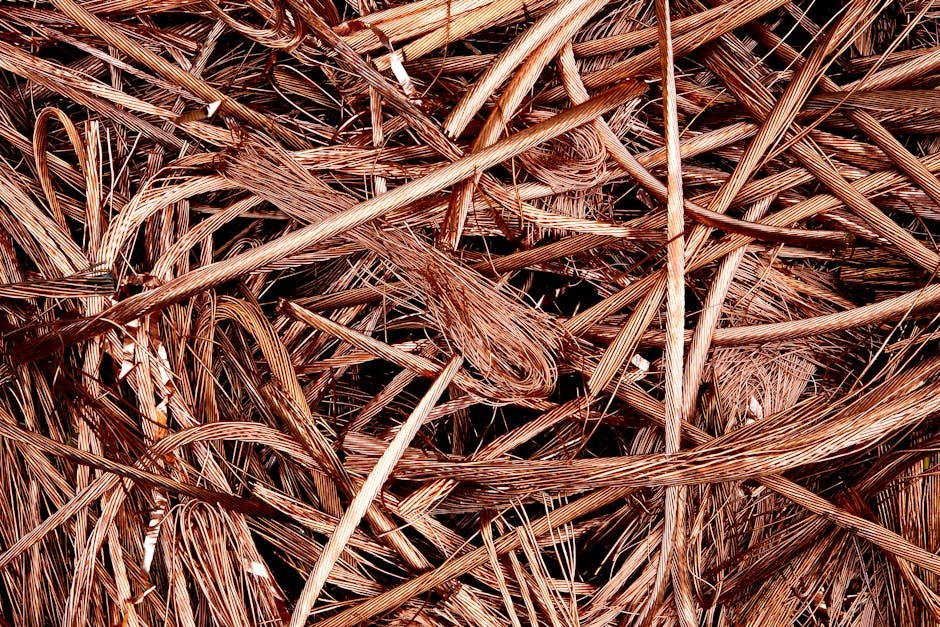
Most scrap yards categorize wire based on the percentage of copper recovery. ‘Bright and Shiny’ is the gold standard—it is bare, un-oxidized copper wire that is clean and free of any insulation. As you move down the grading scale, you encounter various types of insulated wire. These are categorized by the thickness of the copper strands and the complexity of the insulation. Heavy-duty industrial cables, for instance, contain a higher volume of copper per meter compared to thin, low-voltage data cables. Understanding these grades is the first step when you look for where to sell scrap copper near me.
How to Properly Prepare Your Scrap for Sale
Preparation is the single most effective way to increase your returns. Many beginners make the mistake of bringing in mixed bins of wire, which forces the scrap yard to pay a lower ‘mixed’ rate to account for the labor required to sort it. If you want the best price, you must do the labor yourself. Start by separating your wires into distinct categories: bare bright, insulated copper, and aluminum or communications cabling.
If you have large quantities of cable, you might wonder if you should strip the insulation. While stripping wire manually can yield a higher price per kilogram, it is labor-intensive. For industrial-scale operations, mechanical wire strippers are a standard investment. However, for most individuals, the time cost of stripping outweighs the price difference. It is often more efficient to use a professional service to How To Sell Surplus Copper Wire Scrap Online to ensure you are reaching buyers who specialize in processing specific cable types. Always check with your buyer before stripping, as some yards have specific preferences for how they want the material delivered.
Where to Sell Scrap Wire: Navigating the Australian Market
Finding a reliable buyer is essential. You want a facility that uses certified scales, offers transparent pricing, and provides fair grading. When searching for a partner to sell scrap wire, look for transparency in their daily price lists. A professional scrap yard will often publish their rates or provide a quote based on the current market index. If you are looking for local options, our guide on how to Sell Scrap Metal Near Me In 2026 provides a roadmap for finding reputable facilities across all Australian states.
For those managing large volumes of industrial waste, working with a dedicated recycling partner like Scrap Trade Australia can streamline the logistics. They often provide bin services, scheduled collections, and certified destruction certificates, which are essential for businesses that need to track their waste disposal for compliance or environmental reporting. Remember, the goal is to build a long-term relationship with a buyer who values your consistency, as this often leads to ‘preferred customer’ pricing.
The Environmental Impact of Recycling Cable Scrap
Recycling copper is significantly more energy-efficient than mining virgin ore. It takes up to 85% less energy to recycle copper than it does to extract it from the earth. By choosing to recycle your cable scrap, you are directly reducing the carbon footprint of the construction and manufacturing industries. Every tonne of recycled copper saves approximately 3 tonnes of CO2 emissions and prevents the destruction of natural habitats associated with open-pit mining.
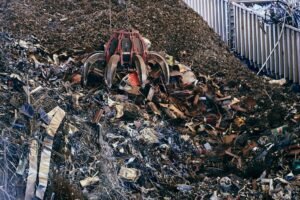
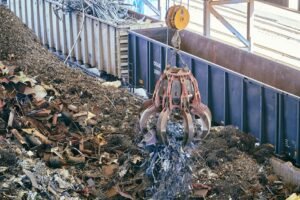
Furthermore, the recycling process for wire is highly sophisticated. After the wire is collected, it is shredded into small pieces. High-powered magnets and air classifiers are then used to separate the copper from the plastic insulation. The plastic is often pelletized and sold for use in new industrial products, while the copper is melted down into ingots, ready to be drawn into new wire. This closed-loop system is the backbone of sustainable infrastructure development in Australia.
Documentation and Legal Requirements
In Australia, the scrap metal industry is subject to strict regulations to prevent the trade of stolen goods. When you arrive at a scrap yard, you should expect to provide government-issued photo identification, such as a driver’s license or passport. Some states also require you to provide a vehicle registration number. These measures are in place to ensure accountability and to deter illegal activity within the industry.
If you are a business owner, you may also need to provide an ABN and potentially a waste disposal permit depending on the volume and type of scrap you are moving. Always keep records of your transactions. These documents are not only required for tax purposes but also serve as proof of responsible recycling, which can be a valuable asset for your company’s Environmental, Social, and Governance (ESG) profile. For more information on the process, visit our portal to Sell Scrap and learn about the documentation requirements for different material types.
Maximizing Your Profit: Tips for the Serious Seller
To consistently get the best price, you need to treat your scrap like a commodity. Monitor the market trends. Copper prices can fluctuate daily based on global demand, currency exchange rates, and geopolitical stability. By keeping an eye on the market, you can time your sales to coincide with price peaks. Additionally, keep your scrap clean. Contamination—such as oil, dirt, or foreign metals—is the enemy of a high-grade classification.
Another pro-tip is to invest in a reliable set of scales. While you should always trust the certified scales at the scrap yard, having a general idea of your weight before you arrive allows you to verify that you are being paid for the correct amount. Finally, consider the logistics. If you have a massive amount of wire, the cost of transport might eat into your profit. Look for yards that offer pick-up services or negotiate a price that accounts for the transport costs. Always ensure you are checking the latest updates regarding electrical wire scrap to stay informed about which specific types of cable are currently in highest demand.
The Future of Wire Recycling in Australia
As Australia moves toward a more electrified future, the demand for copper will only increase. The transition to renewable energy systems, electric vehicles, and smart grids relies heavily on copper wiring. This means the value of your scrap is likely to remain high in the coming years. Innovations in automated sorting technology are also making it easier for recycling facilities to process complex multi-material cables, which will likely lead to better payouts for sellers who previously had to settle for lower mixed-scrap prices.
By staying informed and engaging with professional recycling networks, you are not just making money; you are contributing to a sustainable future. The industry is becoming more transparent and efficient, and platforms that connect sellers directly with end-processors are removing the friction that once made the scrap trade difficult to navigate. Whether you are a small-scale recycler or a large industrial firm, the principles remain the same: sort your materials, know your market, and partner with reputable buyers.
Frequently Asked Questions
We have compiled some of the most common inquiries from our users to help you navigate the process of selling your scrap wire with confidence.
Frequently Asked Questions
Is it worth it to strip the insulation off my copper wire?
For most individuals, it is not worth the time unless you have a high-volume mechanical stripper. While bare copper fetches a higher price, the labor required to strip insulation manually often exceeds the extra profit gained.
How do scrap yards determine the price they pay for my wire?
Scrap yards base their pricing on the current London Metal Exchange (LME) copper index, adjusted for the purity of your material and the costs associated with processing and transporting the metal.
Do I need an appointment to sell my scrap metal?
For smaller quantities, most scrap yards accept walk-ins during business hours. However, if you are bringing in a large industrial load, it is best to call ahead to ensure they have the capacity to process your material and to get a locked-in price.
What documents do I need to bring when selling scrap?
You must bring a valid, government-issued photo ID, such as a driver’s license. If you are selling on behalf of a business, you may also need your ABN and potentially a waste transfer note.