
If you are looking to sell used pallets Melbourne, you are sitting on a valuable industrial asset that many businesses overlook. Whether you are a logistics manager clearing out a warehouse or a small business owner with a surplus of timber, understanding the market dynamics of pallet recycling is essential. When you decide to sell used pallets Melbourne, you aren’t just decluttering; you are participating in a circular economy that reduces waste and provides essential materials for the supply chain. In this guide, we will explore the nuances of the pallet trade, how to maximize your returns, and why choosing the right partner is vital when you sell used pallets Melbourne.
Understanding the Pallet Market in Victoria
The market for pallets in Victoria is driven by the massive logistics hubs located in the Melbourne metro area. From the Port of Melbourne to the industrial estates in the west and south-east, the demand for high-quality, reusable timber pallets is constant. To get the best price, you must first categorize your inventory. Standard pallets, often referred to as ‘CHEP’ or ‘Loscam’ pallets, are pooled assets. These are technically owned by the pallet hire companies and should be returned to them. However, private timber pallets—often referred to as ‘white wood’—are yours to sell.
For those looking to liquidate other industrial assets alongside your pallets, you can Sell Used Products On Scrap Trade, which provides a streamlined platform to reach buyers across the state. Understanding the difference between these pallet types is the first step toward profitability. If you are also dealing with other industrial materials, you might want to look into how to Sell Scrap Metal Melbourne Best Prices Victoria to ensure you are getting the most value for your entire business waste stream.
Where to Sell Used Pallets for Maximum Profit
Finding the right buyer is the difference between a small rebate and a significant cash injection. In Melbourne, you have several options: local pallet recyclers, scrap metal dealers who handle wood waste, and online marketplaces. When searching for where to sell, prioritize companies that offer collection services, as transport costs can quickly eat into your profit margins. If you have a large volume, many recyclers will offer a better rate and free pick-up.
You should also Learn How To Sell Used Products Online to expand your reach beyond local scrap dealers. Digital platforms allow you to list your inventory, set your price, and find buyers who specifically need your pallet dimensions. If you have other items to clear from your facility, such as electronics or automotive parts, you can also sell used computer equipment or even sell used wheels through integrated trading portals. By consolidating your sales, you save time and administrative effort.
Preparing Your Pallets for Sale
Quality control is paramount. Buyers are looking for pallets that are structurally sound. Before you contact a buyer, inspect your stock for broken boards, missing nails, or rot. While some recyclers will accept ‘broken’ pallets for a lower price (or for free to cover disposal costs), high-quality, intact pallets command the best price. Sort your pallets by size and condition. Standard sizes, such as the Australian standard 1165mm x 1165mm, are the most sought after.
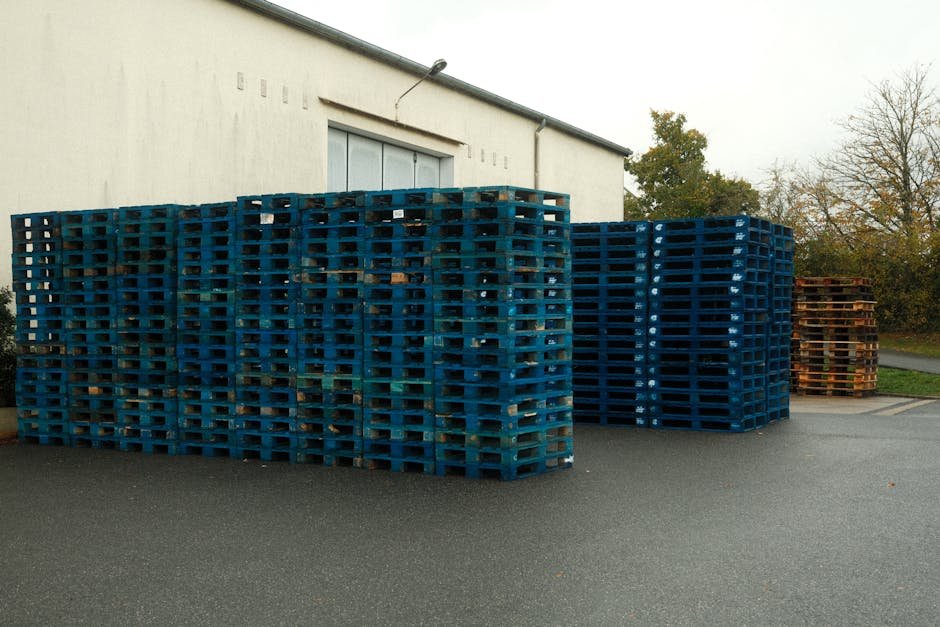
Keep your storage area organized. Pallets that are stacked safely and are easily accessible for a forklift will be prioritized by buyers. If you are ready to move your stock, visit Scrap Trade to see current market trends. Additionally, for those operating in the broader VIC region, professional resources can be found at Scrap Trade Australia, which provides industry-standard guidance on material handling and liquidation.
Documentation and Compliance in Victoria
When you sell industrial waste or reusable assets, documentation is key to maintaining a clean audit trail. If you are a business, you need to ensure that the buyer is a legitimate operator. Ensure you receive a tax invoice or a receipt of sale. If you are dealing with large quantities, some buyers may require a waste transfer note, especially if the pallets are deemed ‘end-of-life’ and are being sent for chipping or mulch production rather than reuse.
Compliance with Victorian environmental regulations is also necessary. If your pallets have been treated with chemicals or have been used to transport hazardous materials, you must disclose this to the buyer. Most reputable scrap dealers and pallet recyclers in the Melbourne metro area will have strict intake policies to ensure they are not handling contaminated timber. Being transparent about the history of your pallets will build trust and ensure a long-term relationship with your chosen buyer.
Strategies to Get the Best Price
Getting the best price is about volume and consistency. If you generate a steady stream of pallets, negotiate a standing contract with a local recycler. This provides you with a guaranteed outlet and consistent pricing, rather than relying on fluctuating spot prices. Furthermore, consider the logistics of the sale. Can you deliver the pallets yourself? If you have a truck, you can often negotiate a higher price than if the buyer has to send a vehicle to collect them.
Timing also matters. When demand for shipping is high, demand for pallets follows. Keep an eye on the seasonal trends in the logistics industry. During peak retail periods, such as the lead-up to Christmas, the demand for pallets in Melbourne is at its highest. This is the ideal time to clear your yard and secure a premium rate for your inventory.
The Environmental Impact of Pallet Recycling
By choosing to sell your used pallets rather than sending them to a landfill, you are making a positive environmental choice. Victoria has strict waste diversion targets, and industrial timber is a significant contributor to landfill if not managed correctly. Recycling pallets reduces the need for virgin timber, preserves forests, and lowers the carbon footprint of your business operations. Every pallet that is repaired and put back into the supply chain is a win for sustainability.
Many businesses now include their pallet recycling efforts in their annual ESG (Environmental, Social, and Governance) reports. By documenting your sales to professional recyclers, you can quantify your contribution to the circular economy. This not only helps the planet but also enhances your brand reputation with clients who prioritize working with sustainable partners.
Common Pitfalls to Avoid
One of the biggest mistakes sellers make is not vetting their buyer. Avoid ‘fly-by-night’ operators who promise high prices but fail to provide proper documentation or reliable pick-up services. Always check if the company has a physical presence in the Melbourne metro area. Another pitfall is failing to account for the cost of labor. If it takes your staff three hours to sort and stack pallets, the time cost might outweigh the profit from the sale. Always calculate your ‘net’ return after labor and transport costs.
Finally, do not mix your high-quality pallets with broken or unusable timber. If you present a mixed pile, the buyer will often offer a ‘lowest common denominator’ price, which usually means you are giving away the good pallets for the price of scrap wood. Separate your inventory before the buyer arrives to ensure you are getting paid fairly for the quality you are providing.
Future Trends in the Pallet Industry
The pallet industry is evolving with the integration of IoT (Internet of Things) technology. Smart pallets, equipped with tracking sensors, are becoming more common in high-value supply chains. While these are currently managed by the rental companies, the secondary market for these assets may change in the future. Keep yourself updated on these trends by engaging with industry forums and professional networks. As the Melbourne industrial landscape continues to grow, the infrastructure for pallet recycling will only become more sophisticated, offering more opportunities for businesses to monetize their waste streams effectively.
Conclusion
Successfully navigating the market to sell used pallets in Melbourne requires a combination of preparation, market knowledge, and the right partnerships. By categorizing your inventory, maintaining high standards, and using reputable platforms to connect with buyers, you can turn a logistical burden into a reliable revenue stream. Remember to prioritize safety, keep your documentation in order, and focus on building long-term relationships with your buyers. Whether you are a small warehouse or a large distribution center, the principles of efficient pallet management remain the same. Start by evaluating your current stock, checking your local market, and leveraging the resources available to ensure you get the best possible return on your investment.
Frequently Asked Questions
How do I know if my pallets are worth money?
Standard timber pallets in good condition are generally worth money. However, if they are branded by hire companies like CHEP or Loscam, they are rental assets and must be returned to the owner rather than sold.
Where is the best place to sell pallets in Melbourne?
The best place to sell is through local pallet recyclers or industrial scrap dealers. You can also use online platforms like Scrap Trade to list your inventory and find direct buyers.
Do I need special documentation to sell pallets?
While simple sales don’t always require complex paperwork, you should always request a tax invoice or receipt. If you are selling large quantities, ensure the buyer provides a waste transfer note if requested by local council regulations.
How can I get a better price for my pallets?
Sort your pallets by size and quality, keep them neatly stacked for easy collection, and try to negotiate a standing contract with a recycler if you have a consistent volume of stock.